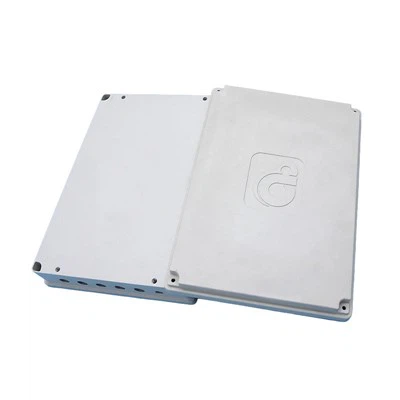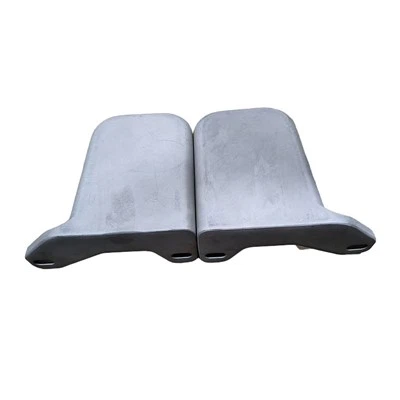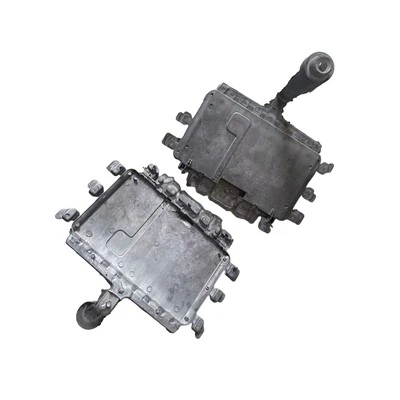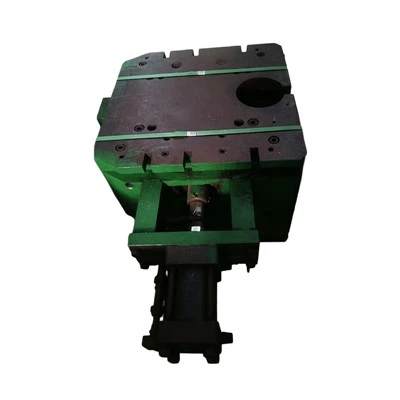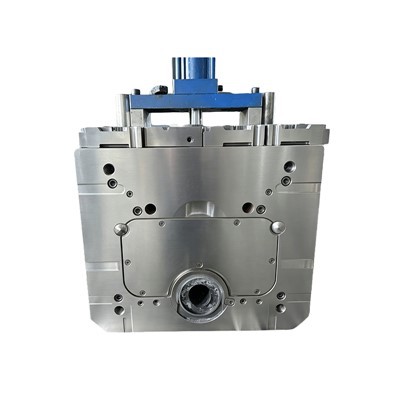
Die castings are metal parts formed using a pressure casting process. Also known as die-cast parts or pressure castings, they are primarily made from materials such as copper, zinc, aluminum, and aluminum alloys. This process utilizes high pressure to inject molten metal into a mold for rapid forming, resulting in high precision, good surface finish, and small machining allowances. The design must consider factors such as wall thickness, casting fillets, and draft angles. Based on equipment, die casting can be divided into hot chamber die casting machines (suitable for zinc and magnesium alloys) and cold chamber die casting machines (suitable for aluminum and copper alloys). In hot chamber die casting, the injection system is immersed in molten metal.
Die castings are widely used in automotive parts, engine pipes, motor end caps, and other fields. High-vacuum die casting technology can reduce porosity and improve weldability and heat treatment performance, playing an important role in the integrated die casting of new energy vehicles. High-pressure casting uses 15-100MPa pressure to inject into the mold, allowing for aluminum alloy parts with wall thicknesses as thin as 0.5mm, suitable for components such as engine blocks. Vacuum die casting increases density by removing air from the mold cavity; while the equipment cost is higher, the long-term benefits are significant.