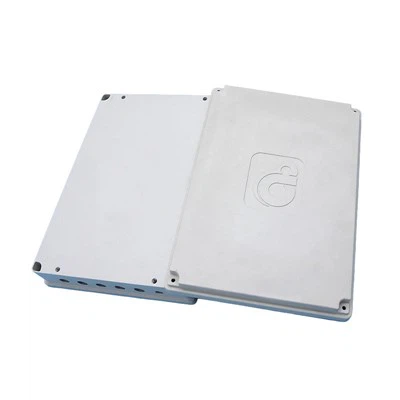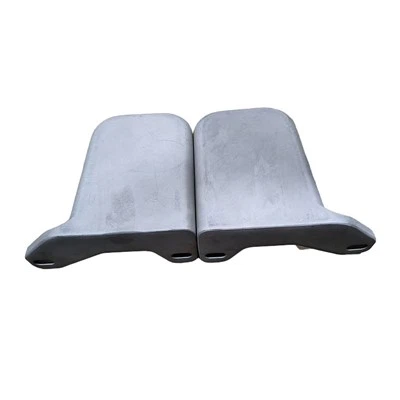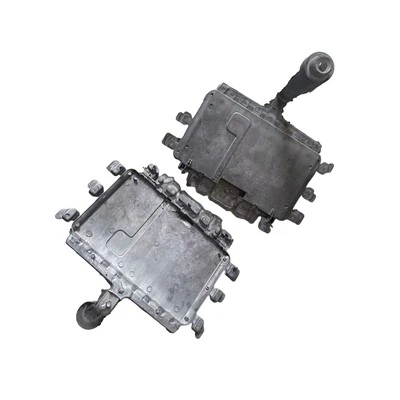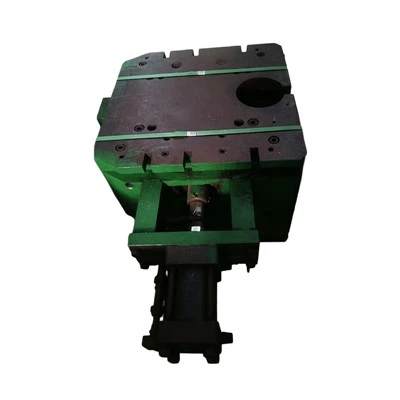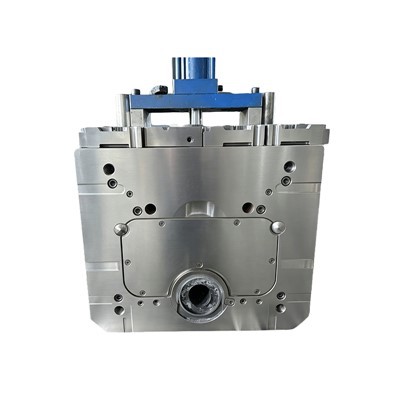
Die casting molds are molds used to cast molten metal into shape under high pressure. Because the mold is in direct contact with the high-temperature molten metal, the working conditions are extremely harsh. It is repeatedly exposed to incandescent metal, and its temperature is higher than that of hot forging molds, leading to thermal fatigue cracking on the mold surface.
Generally, the requirements for steel used in die casting molds are as follows:
① Die casting mold steel should possess high strength and a certain degree of toughness, sufficient hardness, and wear resistance at high temperatures;
② It should have excellent thermal fatigue resistance to prevent early cracking of the mold;
③ It should have good thermal conductivity, corrosion resistance, and oxidation resistance.
Depending on the application of the die casting mold, it is required to have different hardness levels. Higher surface hardness results in better wear resistance and prevents molten metal from adhering to the mold cavity. A soft core and a high-hardness surface give the die casting mold excellent working performance.
Domestic steel grades used for die-casting aluminum alloys include 3Cr2W8V, 3Cr3Mo3W2V, and 4Cr5MoSiV, with hardness values of 42-50 HRC.
Domestic steel grades for die-casting copper alloys include 3Cr2W8V, 3Cr3Mo3V, and 3Cr3Mo3Co3V, with hardness values of 42-48 HRC.
Domestic steel grades for die-casting zinc alloys include 40CrMo, 3Cr2W8V, CrWMn, and 4Cr5MoSiV, with hardness values of 42-48 HRC.
Relatively better commonly used die-casting mold steels include: H13, 8407, 8418, 1.2344, and 1.1343. It is essential to source these mold steels from reliable and reputable suppliers.