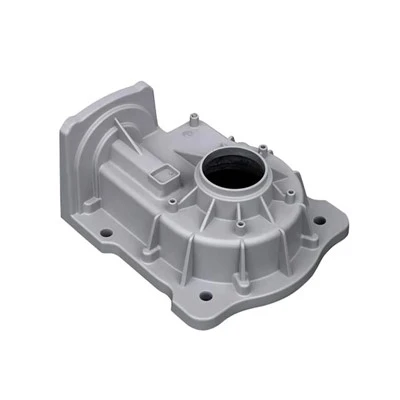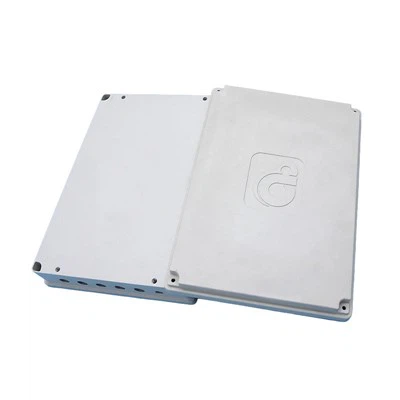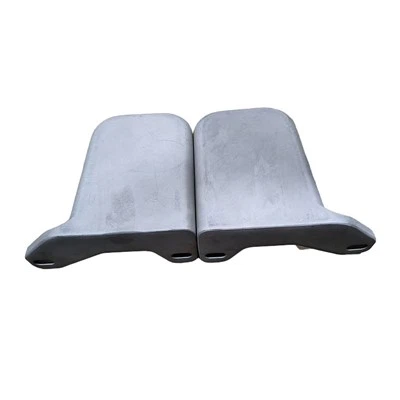
The choice of materials for household appliance die-casting components directly affects product performance, manufacturing costs, and subsequent processing techniques. Commonly used metal materials for die casting include aluminum alloys, zinc alloys, and magnesium alloys, each with unique advantages and applicable scenarios.
Aluminum alloys are widely used in the casings and heat dissipation components of large household appliances such as air conditioners and refrigerators due to their light weight, high strength, and good corrosion resistance. Zinc alloys have good fluidity and surface finish, making them suitable for manufacturing small, precision parts such as switch panels and handles. Magnesium alloys, with their extremely light weight and good thermal conductivity, are used in high-end household appliances and portable devices, but they are more expensive and require strict process control.
In terms of material performance, mechanical properties, coefficient of thermal expansion, corrosion resistance, and machinability need to be comprehensively considered.

Household appliance die-casting components typically need to withstand certain mechanical loads, such as washing machine motor brackets and microwave oven casings; therefore, the yield strength and tensile strength of the material are key indicators. Simultaneously, the coefficient of thermal expansion affects the fit between the component and other materials, especially in multi-material assembled household appliances. Appropriately matching the coefficients of thermal expansion of the materials can prevent deformation or cracking caused by thermal stress. Corrosion resistance is particularly important. Parts in kitchen appliances, air conditioner condensate drain pipes, and other components that are in constant contact with water or humid environments require careful material selection or surface treatment to ensure a long service life.
Besides the inherent properties of the metal, the machinability of the material is also a crucial factor in material selection. Aluminum and zinc alloys have low melting points and good fluidity, making them suitable for high-speed die casting; magnesium alloys, while lightweight, are flammable and require strict process safety control. Furthermore, different materials have different shrinkage rates, and shrinkage compensation must be considered when designing molds to ensure dimensional accuracy of the parts.