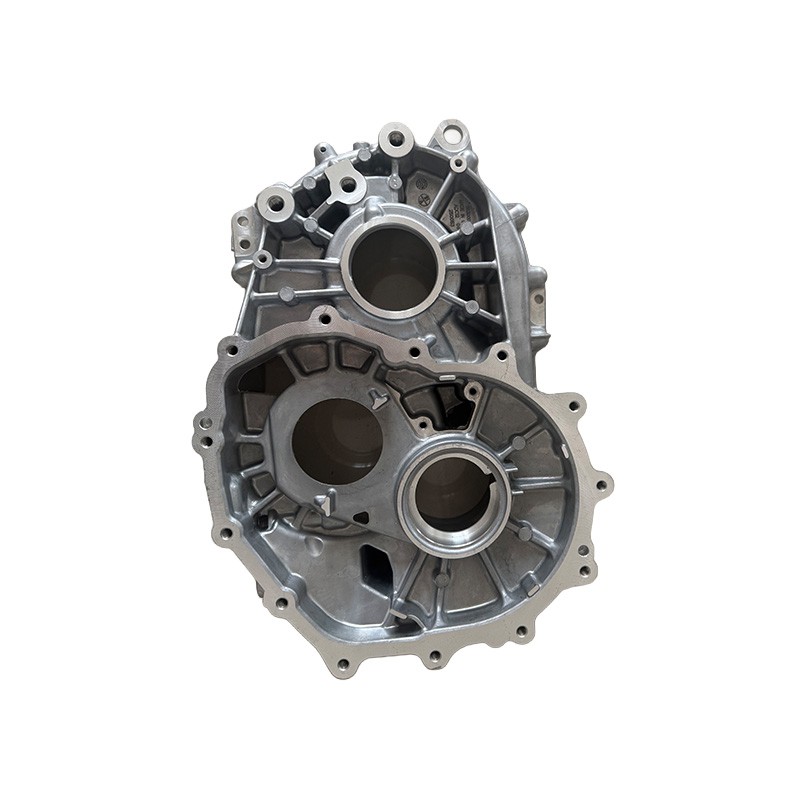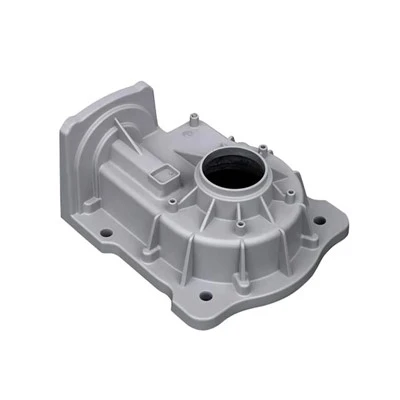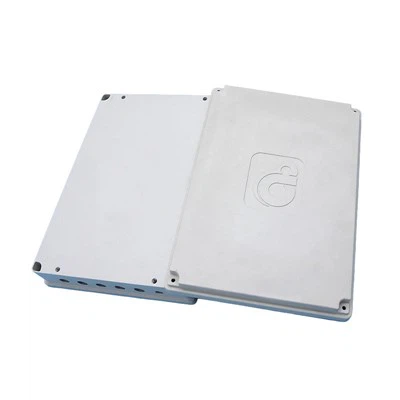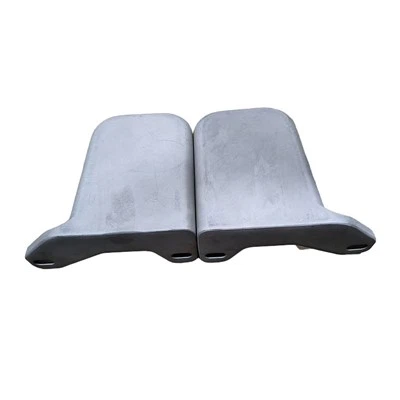
The production process of aluminum alloy die casting includes melting, refining, mold making, and pouring. Melting is a crucial step in the die casting process; inadequate control of the melting process can affect the quality of the castings. To ensure the quality of the molten aluminum, the melting temperature should be maintained between 720 and 750°C to reduce gas absorption. Recycled materials must be used in categories. For castings requiring a dense internal structure and airtightness, the proportion of recycled materials should be controlled below 30%; for ordinary castings, the proportion of recycled materials can be relaxed to 40%.
Refining is the key step in removing gases and inclusions from the molten aluminum. To ensure effective degassing during refining, the degassing time for aluminum alloy refining should not be less than 8 minutes. Die casting mainly employs high-pressure or vacuum die casting technology, with the mold temperature controlled between 200-280°C and the pouring temperature range between 650-720°C. Taking the commonly used die-cast aluminum alloy ADC12 as an example, its iron (Fe) content is recommended to be controlled between 0.70% and 0.85%.