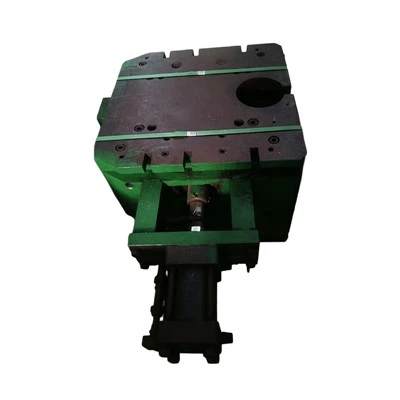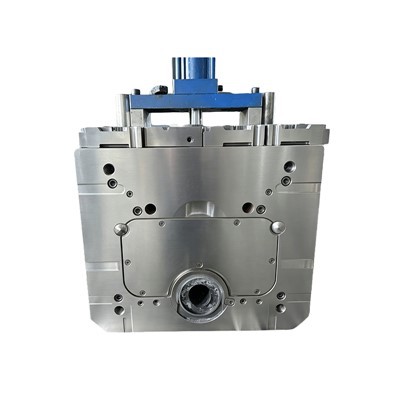
(1) Mold Design: The die-casting process for aluminum alloys requires the shape and dimensions of the castings to conform to industry standards; therefore, mold design is the first step. Mold design should be based on actual needs, emphasizing completeness and simplicity to ensure accurate casting.
(2) Mold Fabrication: After completing the mold design, the mold is fabricated according to the design drawings. Molds generally require high precision; any deviation will severely affect casting. During mold fabrication, strict process requirements must be matched with actual conditions. Before fabrication, process planning and production requirements need to be matched with parameters. Necessary quantitative management measures are prerequisites for ensuring stable dimensional accuracy of the aluminum alloy parts entering the mold.
(3) Mold Installation and Parameter Adjustment: The fabricated mold needs to be installed on specific casting equipment for casting. Then, the equipment parameters are adjusted to ensure the highest precision of the finished aluminum alloy parts during casting.
(4) Aluminum Alloy Material Preparation: Before casting, suitable aluminum alloy materials need to be prepared. Commonly used materials include ADC12 and A380.
(5) Aluminum Molten Material Injection: The aluminum alloy material is pre-melted and injected into the mold. Precise measurement and temperature control are required before injection to ensure casting quality.
(6) Mold Cooling: The molten aluminum in the mold is rapidly cooled and solidified within a short time. Cooling time and temperature are crucial factors affecting workpiece quality.
(7) Demolding of Aluminum Alloy Parts: After the mold has cooled, it needs to be opened to remove the die-cast aluminum alloy parts.
(8) Surface Treatment: After removal, the aluminum alloy parts undergo a series of surface treatments, including finishing, precision machining, painting, or spraying, to meet the appearance and surface quality requirements of the parts.