
Managing the inventory of machinery casting parts is a crucial aspect of running a successful business as a machinery casting parts supplier. In this blog, I'll share some practical tips and strategies that I've found useful in my experience to keep our inventory in check and ensure smooth operations.
Understanding Your Inventory
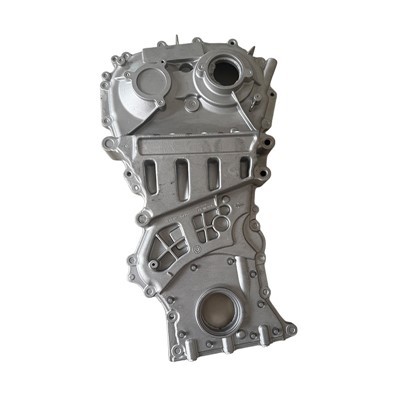
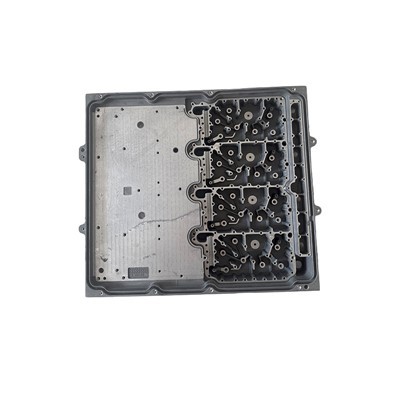
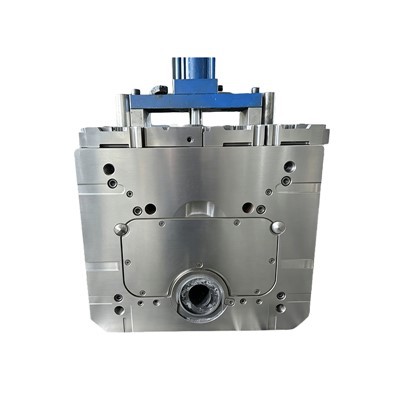
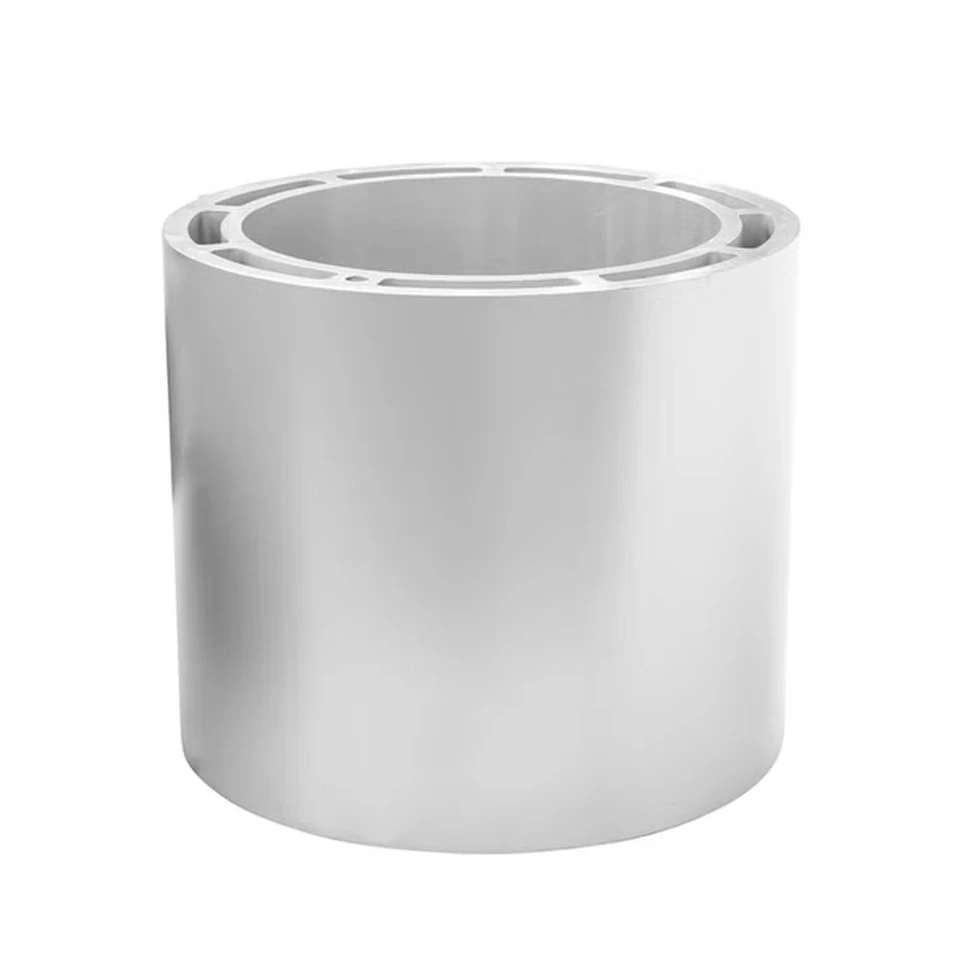
First things first, you need to have a clear understanding of what you've got in your inventory. This means knowing the quantity, type, and specifications of each machinery casting part. For instance, we deal with a wide range of products like Aluminum Tool Housing, Die Cast Prototypes, Precision Die Casting Components, Magnesium Die Casting Mold, and Precision Die Casting Parts.
It's important to categorize your inventory. You can group parts by size, material, or the type of machinery they're used in. This makes it easier to locate items when you need them and helps you identify patterns in your stock levels. For example, if you notice that a certain type of precision die casting part is always in high demand, you can adjust your inventory levels accordingly.
Forecasting Demand
One of the key challenges in inventory management is predicting how much of each part you'll need in the future. There are a few ways to do this. You can look at historical sales data to see which parts have sold well in the past and during which seasons. For example, if you see that sales of a particular die cast prototype spike during the summer months, you can plan to have more of those in stock during that time.
Another method is to stay in touch with your customers. Ask them about their upcoming projects and what parts they'll need. This direct feedback can be incredibly valuable in making accurate demand forecasts. You can also keep an eye on industry trends and market conditions. If there's a new technology emerging that requires specific casting parts, you'll want to be prepared to meet that demand.
Setting Reorder Points
Once you have a good idea of your demand, it's time to set reorder points. A reorder point is the level at which you need to place an order for more of a particular part. This helps you avoid running out of stock, which can lead to lost sales and unhappy customers.
To calculate the reorder point, you need to consider the lead time (the time it takes for your supplier to deliver the parts) and the average daily usage of the part. For example, if it takes two weeks for a new shipment of aluminum tool housing to arrive and you use an average of 10 units per day, your reorder point would be 140 units (10 units per day x 14 days).
It's also a good idea to have a safety stock. This is an extra amount of inventory that you keep on hand in case of unexpected demand or delays in the supply chain. The amount of safety stock you need will depend on factors like the reliability of your suppliers and the volatility of demand.
Implementing an Inventory Management System
A good inventory management system can make your life a lot easier. There are many software options available that can help you track your inventory in real-time, generate reports, and even automate the reordering process.
With an inventory management system, you can easily see how much of each part you have in stock, where it's located, and when it was last sold. This information can help you make informed decisions about your inventory levels and identify any issues or inefficiencies.
For example, if you notice that a particular part has been sitting in your inventory for a long time, you can take steps to promote it or reduce your future orders. On the other hand, if a part is selling quickly, you can adjust your reorder point to ensure that you always have enough in stock.
Managing Relationships with Suppliers
Your suppliers play a crucial role in your inventory management. Building strong relationships with them can help you get better prices, faster delivery times, and more reliable service.
Communicate regularly with your suppliers to keep them informed about your inventory needs and any changes in your business. If you're experiencing a sudden increase in demand, let them know so they can plan accordingly. You can also negotiate better terms with your suppliers, such as longer payment terms or volume discounts.
It's also a good idea to have multiple suppliers for each part. This can help you reduce the risk of supply chain disruptions. If one supplier has a problem, you can turn to another to meet your needs.
Conducting Regular Inventory Audits
Regular inventory audits are essential to ensure the accuracy of your inventory records. You can do a physical count of your inventory on a regular basis, such as once a month or once a quarter. Compare the physical count with your inventory management system records to identify any discrepancies.
If you find any discrepancies, investigate the cause. It could be due to errors in data entry, theft, or damage to the parts. Once you've identified the cause, take steps to correct it and prevent it from happening in the future.
Inventory audits also give you an opportunity to clean up your inventory. You can identify any obsolete or slow-moving parts and take steps to get rid of them. This can free up space in your warehouse and reduce your inventory holding costs.
Conclusion
Managing the inventory of machinery casting parts is a complex but essential task for any supplier. By understanding your inventory, forecasting demand, setting reorder points, implementing an inventory management system, managing relationships with suppliers, and conducting regular inventory audits, you can keep your inventory levels in check and ensure the smooth operation of your business.
If you're in the market for high-quality machinery casting parts, I'd love to have a chat with you. We've got a wide range of products, including Aluminum Tool Housing, Die Cast Prototypes, Precision Die Casting Components, Magnesium Die Casting Mold, and Precision Die Casting Parts. Get in touch with us to discuss your requirements and see how we can help you.
References
- "Inventory Management: Principles and Practices" by Edward A. Silver, David F. Pyke, and Rein Peterson.
- "Supply Chain Management: Strategy, Planning, and Operation" by Sunil Chopra and Peter Meindl.