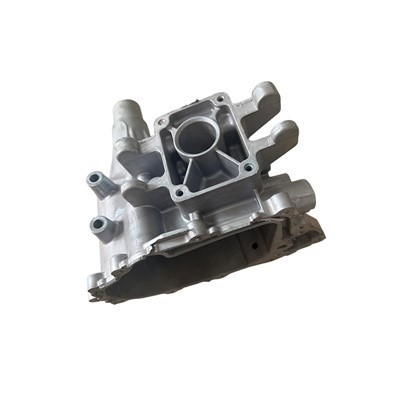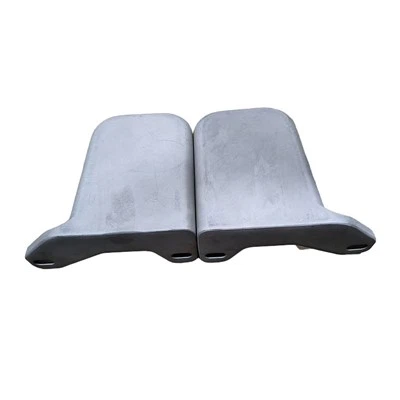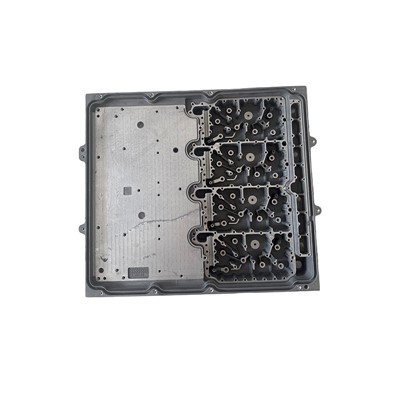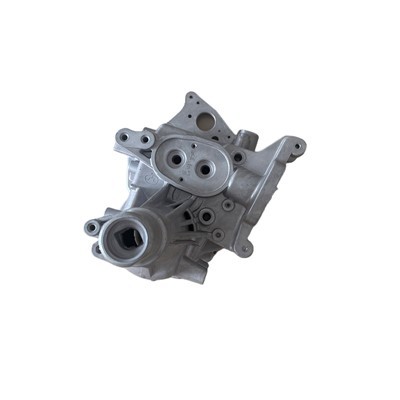

Hey there! As a die casting mold supplier, I've seen firsthand how crucial proper maintenance scheduling is for these molds. Die casting molds are expensive pieces of equipment, and keeping them in top - notch condition can save a ton of money and time in the long run. So, let's dive into the key factors in die casting mold maintenance scheduling.
1. Production Volume
One of the most significant factors is the production volume. If you're churning out a high volume of parts, your die casting mold is going to take a lot more wear and tear. For example, if a factory is producing thousands of parts every day, the mold will be under constant stress from the molten metal, the pressure of the casting process, and the mechanical forces involved.
In such a high - volume scenario, you'll need to schedule more frequent maintenance. A general rule of thumb could be to inspect the mold after every few hundred or thousand parts, depending on the complexity of the part and the material being cast. On the other hand, if the production volume is low, say a few dozen parts per week, the mold won't experience as much stress, and you can space out the maintenance intervals.
2. Material Being Cast
The type of material used in the die casting process also plays a huge role. Different materials have different properties, and some are more abrasive or corrosive than others.
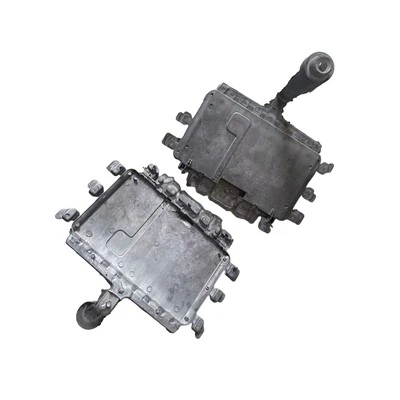
For instance, when casting with magnesium - aluminum alloy, which is quite common in many industries, the alloy can have a certain level of reactivity. This means that over time, it can cause corrosion on the mold surface. You can check out more about Magnesium Aluminum Alloy Die Casting Mold. So, if you're using this alloy, you'll need to schedule maintenance more often to prevent the corrosion from getting out of hand.
On the contrary, some materials might be less harsh on the mold. But regardless, it's important to understand the characteristics of the material and how it interacts with the mold to determine the right maintenance schedule.
3. Mold Design and Complexity
The design and complexity of the die casting mold are also key factors. A simple mold with fewer moving parts and less intricate details will generally require less maintenance compared to a complex mold.
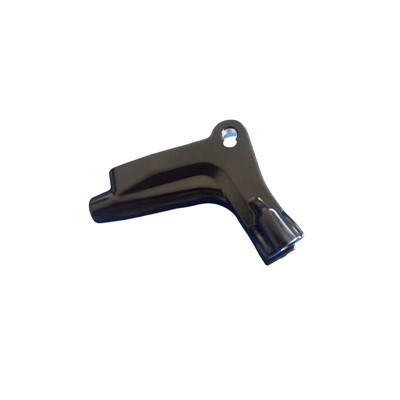
Complex molds often have more areas where debris can accumulate, and they may have more delicate components that are prone to damage. For example, a mold used for Medical Device Die Casting Mold might have very precise and detailed features. These features need to be maintained carefully to ensure the quality of the medical devices being produced.
So, for complex molds, you'll need to have a more comprehensive maintenance schedule that includes more frequent inspections and cleaning of all the nooks and crannies.
4. Operating Conditions
The operating conditions of the die casting machine and the environment in which the mold is used are important too. If the machine is running at high temperatures or under high pressure, it can put extra stress on the mold.
Also, the environment matters. If the factory has a lot of dust or humidity, it can affect the mold. Dust can get into the mold cavities and cause defects in the cast parts, while high humidity can lead to rust and corrosion.
In harsh operating conditions, you'll need to increase the frequency of maintenance. This could involve more regular cleaning, lubrication, and inspection to keep the mold in good working order.
5. Quality Requirements
The quality requirements of the cast parts also influence the maintenance schedule. If you're producing parts for industries with strict quality standards, like the medical or aerospace industries, you'll need to be extra vigilant with mold maintenance.
For Medical Device Die Casting Mold, any defect in the mold can lead to faulty medical devices, which can have serious consequences. So, you'll need to have a very detailed and frequent maintenance schedule to ensure that the mold is always producing high - quality parts.
6. Maintenance History
The past maintenance history of the die casting mold is a valuable piece of information. If a mold has had a history of certain types of problems, like cracking or wear in specific areas, you'll need to pay extra attention to those areas during maintenance.
For example, if a mold has previously had issues with the ejector pins getting stuck, you'll need to include more frequent checks and lubrication of the ejector pins in the maintenance schedule. This way, you can prevent the same problems from occurring again.
7. Staff Training
The training of the staff who operate and maintain the die casting molds is often overlooked but is a crucial factor. Well - trained staff can spot early signs of wear and tear, perform basic maintenance tasks correctly, and follow the maintenance schedule effectively.
If the staff is not properly trained, they might miss important signs of mold damage, or they could perform maintenance tasks incorrectly, which could actually cause more harm to the mold. So, investing in staff training is an important part of ensuring a proper maintenance schedule.
8. Cost - Benefit Analysis
Finally, a cost - benefit analysis is necessary when determining the maintenance schedule. You need to balance the cost of maintenance against the cost of mold failure.
If you schedule maintenance too frequently, you'll be spending a lot of money on labor, parts, and downtime. But if you don't schedule maintenance often enough, you risk mold failure, which can lead to costly production delays and the need for expensive mold repairs or replacements.
So, it's important to find the sweet spot where you're spending just the right amount on maintenance to keep the mold in good condition without overspending.
In conclusion, die casting mold maintenance scheduling is a complex process that involves considering multiple factors. By taking into account production volume, the material being cast, mold design, operating conditions, quality requirements, maintenance history, staff training, and cost - benefit analysis, you can develop an effective maintenance schedule that will keep your die casting molds in great shape.
If you're in the market for high - quality die casting molds or need advice on mold maintenance, we're here to help. Whether you're looking for Medical Device Die Casting Mold, Magnesium Aluminum Alloy Die Casting Mold, or Hardware Die Casting Mold, we've got you covered. Reach out to us to start a conversation about your specific needs and how we can assist you.
References
- "Die Casting Handbook" by J. Campbell
- "Mold Maintenance Best Practices" published by the Die Casting Institute