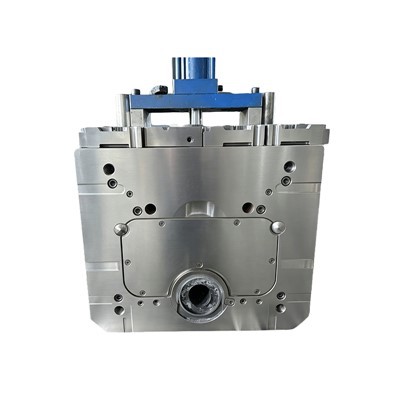
New alloy die-casting molds are selling well in my country, but this doesn't mean they're selling well globally. International market demands often differ from domestic ones. According to experts, there are three main reasons hindering the export of Chinese die-casting molds: First, there are still many shortcomings in the use of raw materials in domestic die-casting mold production; second, technological backwardness is also an obstacle to the development of my country's die-casting mold industry; and third, the supporting system for my country's die-casting mold industry is incomplete. These are the bottlenecks restricting the development of my country's die-casting mold industry. Only by overcoming these bottlenecks can my country's market share in the international market significantly increase.
Die casting and mold making are both distinct and related. The emergence of the die-casting mold industry represents the perfect combination of the two. In other words, die casting, mold making, and die-casting molds are three different industries, and their relationship exists mainly in several ways: integrated die casting and mold making, where all molds are manufactured in-house and rarely made for other companies; specialized die-casting mold manufacturing, without die casting capabilities; and only die casting without mold manufacturing capabilities. With the increasing specialization of industries, the blurring of industry boundaries, and the development of cross-industry collaboration, the three industries should strengthen their connections, learn from each other, and integrate into one entity. It is believed that my country's die-casting mold industry will usher in more and greater development opportunities and space in the future.