The Glamorous Transformation of the Raw Material
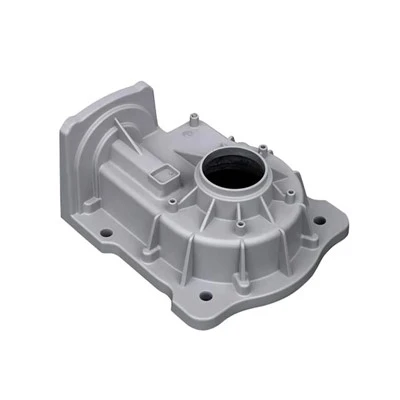
A die-cast part fresh from the mold is like a rough, unpolished man, covered in parting lines and burrs. The first step in cleaning is to remove burrs using a vibratory polishing machine or a hand file, much like giving metal a manicure-precision parts require a 0.2mm diameter micro-milling cutter for detailing, while larger parts are best suited for sandblasting.
The Magic of Polishing
Once the surface is basically smooth, the polishing trilogy begins: first, use an 80-grit coarse abrasive wheel to smooth out tool marks; then switch to a 400-grit fine abrasive belt to remove scratches; finally, use a cloth wheel with polishing compound to achieve a mirror-like finish. Interestingly, when polishing aluminum parts, the rotation speed must be controlled below 1200 rpm, otherwise high-temperature oxidation spots are easily formed.
The Ideal Evolution of the Surface
The final stage of cleaning is functional treatment:
Passivation treatment forms a protective film on the metal surface.
Powder coating achieves a colorful appearance.
Anodizing improves the wear resistance of aluminum alloys.
Electroplating gives a luxurious metallic luster.