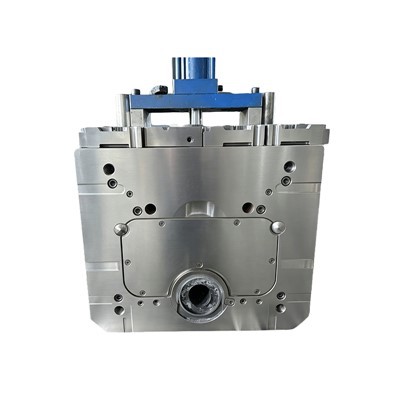
The durability of aluminum die castings primarily depends on the mechanical properties and corrosion resistance of the alloy material. Commonly used aluminum alloys such as A380 and ADC12 possess good tensile strength and wear resistance, enabling them to withstand the vibration, impact, and cyclic loads of garden machinery.
Process control is a crucial aspect of ensuring the durability of aluminum die castings. By precisely controlling the melt temperature, injection speed, filling pressure, and mold temperature, defects such as porosity, shrinkage cavities, and inclusions can be reduced, improving the density of the parts.
The structural design of aluminum die castings for garden machinery requires a balance between strength and weight. Properly arranged ribs, well-designed thickness transitions, and rounded corners can effectively optimize stress distribution, avoid localized stress concentration, and reduce the risk of cracking and deformation.