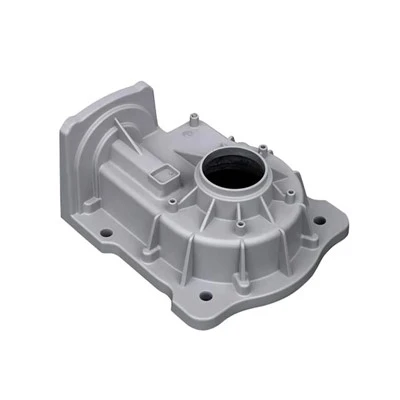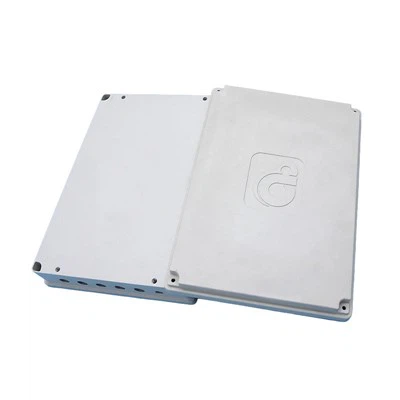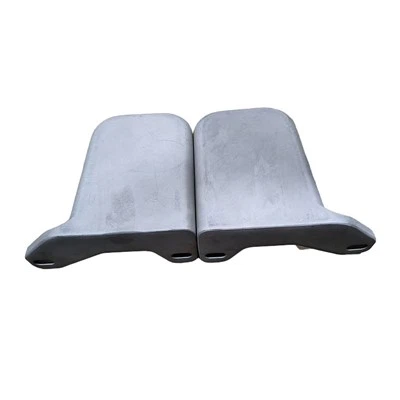
Aluminum alloy die casting features low density, high strength, good corrosion resistance, and stable thermal conductivity, making it suitable for manufacturing parts with requirements for weight and structural strength. Its mechanical properties can be further improved after heat treatment, and it is widely used in structural and load-bearing components.
Zinc alloy die casting, on the other hand, offers advantages such as good fluidity, high forming precision, and fine surface finish, making it suitable for small parts with complex structures and strict dimensional requirements. Furthermore, zinc alloys have a lower melting point, resulting in less thermal shock to the mold and extending its service life.
Aluminum alloy die casting is currently widely used in new energy vehicles, traditional automotive parts, motorcycles, power tools, communication equipment, and home appliances. With the increasing trend towards lightweight vehicles, the demand for aluminum alloy die castings in body structural components, motor housings, and electronic control housings continues to grow.
Zinc alloy die casting is mainly used in electronic product housings, hardware accessories, locks, decorative parts, and instrument components. In the consumer electronics and smart home industries, zinc alloys maintain a stable market share due to their excellent formability and surface treatment effects.