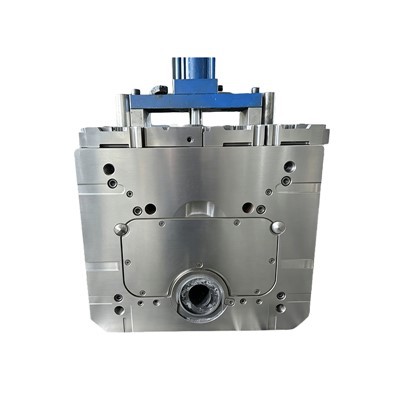

Hey there, fellow EV enthusiasts! As a supplier of EV battery housings, I get asked a ton of questions about these crucial components. One of the most common queries is, "Can an EV battery housing be repaired if damaged?" Today, I'm gonna dive deep into this topic and share my insights.
Understanding the Importance of EV Battery Housings
First off, let's talk about why EV battery housings are so important. These housings serve as the protective shell for the battery pack, shielding it from external impacts, environmental factors, and electrical hazards. They also play a key role in maintaining the structural integrity of the battery system, ensuring that it operates safely and efficiently.
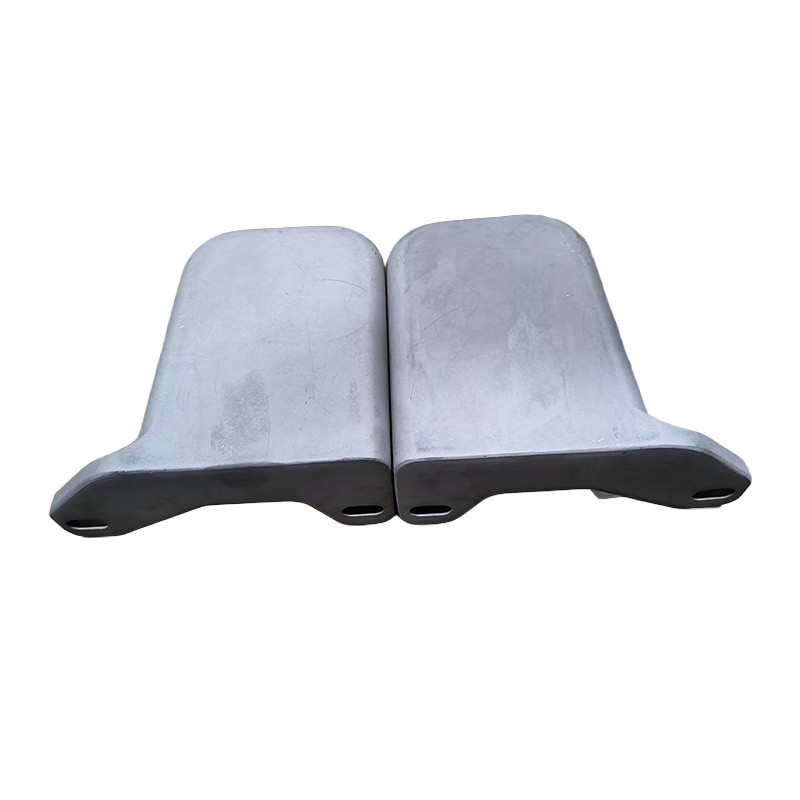
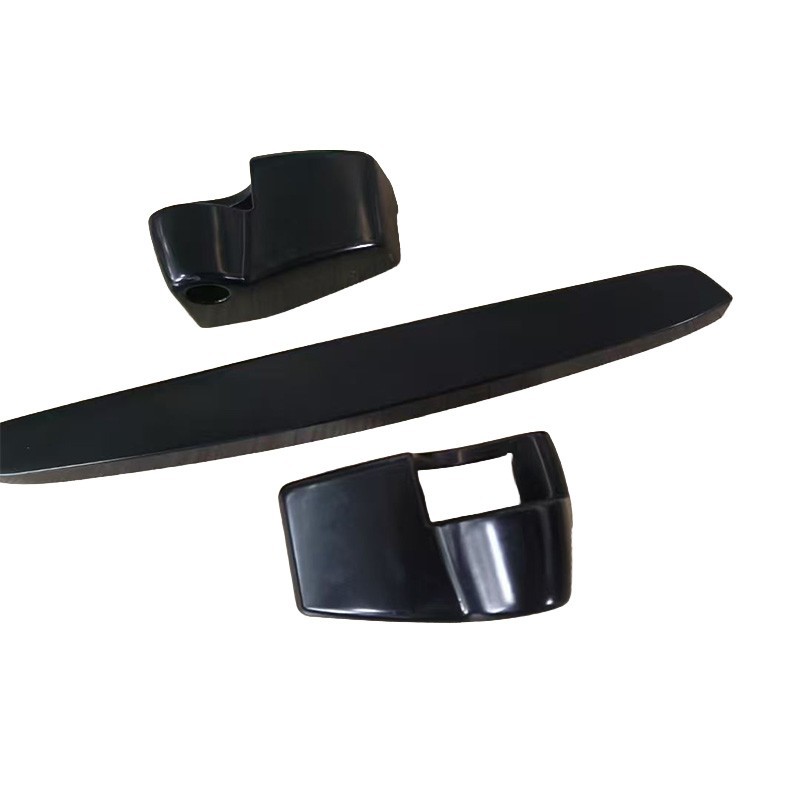
EV battery housings are typically made from materials like aluminum, magnesium, or a combination of both. These materials offer a good balance of strength, lightweight, and corrosion resistance, making them ideal for use in EVs. However, even the most robust materials can be damaged under certain circumstances.
Common Causes of EV Battery Housing Damage
There are several factors that can cause damage to an EV battery housing. Some of the most common causes include:
- Accidents: Collisions, crashes, and other types of accidents can cause significant damage to the battery housing. Even a minor impact can result in dents, cracks, or other forms of damage that may compromise the integrity of the housing.
- Road Debris: Driving on rough roads or encountering debris such as rocks, potholes, or sharp objects can also cause damage to the battery housing. These impacts can puncture or scratch the housing, exposing the battery pack to potential hazards.
- Environmental Factors: Exposure to extreme temperatures, moisture, and other environmental factors can also cause damage to the battery housing over time. For example, prolonged exposure to high temperatures can cause the housing to expand and contract, leading to cracks or other forms of damage.
- Manufacturing Defects: In some cases, damage to the battery housing may be caused by manufacturing defects. These defects can include issues such as improper welding, poor material quality, or design flaws that can weaken the housing and make it more susceptible to damage.
Can an EV Battery Housing Be Repaired?
The answer to this question depends on several factors, including the extent of the damage, the type of material used in the housing, and the availability of repair options. In some cases, minor damage to the battery housing can be repaired using simple techniques such as welding, patching, or sanding. However, more severe damage may require the replacement of the entire housing.
Let's take a closer look at some of the repair options available for EV battery housings:
- Welding: Welding is a common repair technique used for damaged battery housings made from metal materials such as aluminum or steel. This technique involves using a welding machine to fuse the damaged parts of the housing back together. Welding can be an effective way to repair minor cracks or dents in the housing, but it requires a high level of skill and expertise to ensure a proper repair.
- Patching: Patching is another repair technique that can be used for damaged battery housings. This technique involves using a patch material such as fiberglass or carbon fiber to cover the damaged area of the housing. Patching can be a quick and easy way to repair minor damage to the housing, but it may not be as effective as welding for more severe damage.
- Sanding: Sanding is a technique that can be used to smooth out the surface of the battery housing and remove any scratches or dents. This technique can be used in combination with other repair techniques such as welding or patching to improve the appearance and functionality of the housing.
- Replacement: In some cases, the damage to the battery housing may be too severe to repair, and the entire housing may need to be replaced. This can be a more expensive option, but it may be necessary to ensure the safety and reliability of the battery system.
Factors to Consider When Repairing an EV Battery Housing
When considering whether to repair or replace a damaged EV battery housing, there are several factors that you should take into account. These factors include:
- Safety: The safety of the battery system is the most important consideration when repairing or replacing a damaged battery housing. Any repair or replacement should be done by a qualified professional to ensure that the housing meets all safety standards and regulations.
- Cost: The cost of repairing or replacing a damaged battery housing can vary depending on the extent of the damage, the type of material used in the housing, and the availability of repair options. In some cases, it may be more cost-effective to replace the entire housing rather than attempting to repair it.
- Time: The time required to repair or replace a damaged battery housing can also be a factor to consider. In some cases, a repair may take longer than expected, which can result in downtime for the vehicle. If time is a critical factor, it may be more practical to replace the entire housing.
- Warranty: If the EV is still under warranty, it's important to check the terms and conditions of the warranty to determine whether the repair or replacement of the battery housing is covered. In some cases, the manufacturer may require that the repair or replacement be done by an authorized dealer or service center.
Our Products and Services
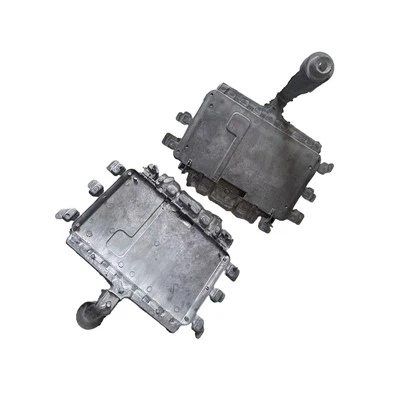
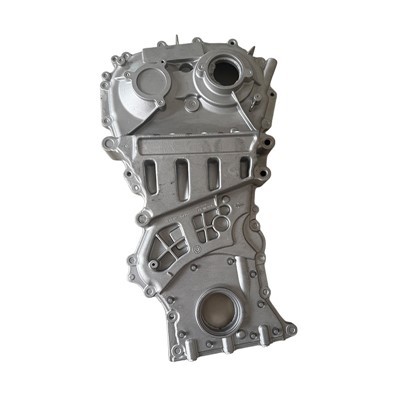
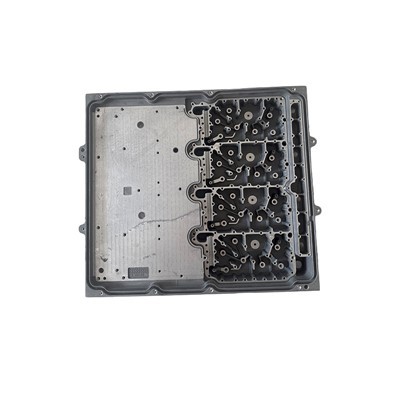
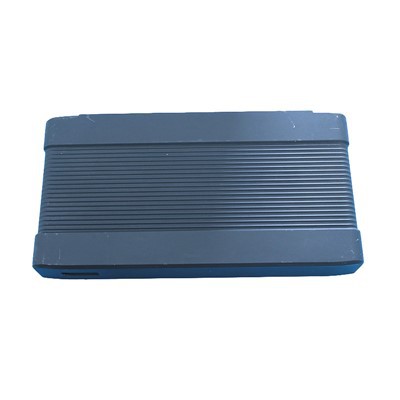
As a supplier of EV battery housings, we offer a wide range of products and services to meet the needs of our customers. Our battery housings are made from high-quality materials such as Die Casting Magnesium Aluminum Alloy Mold, Aluminum Tool Housing, Magnesium Die Casting Mold, Die Cast Aluminum Mold, and Magnesium Die Casting Parts, which offer a good balance of strength, lightweight, and corrosion resistance.
We also offer custom design and manufacturing services to ensure that our battery housings meet the specific requirements of our customers. Our team of experienced engineers and technicians can work with you to develop a custom solution that meets your needs and budget.
In addition to our products and services, we also offer technical support and training to help our customers install and maintain their EV battery housings. Our goal is to provide our customers with the highest level of service and support to ensure that their EVs operate safely and efficiently.
Conclusion
In conclusion, the question of whether an EV battery housing can be repaired if damaged depends on several factors, including the extent of the damage, the type of material used in the housing, and the availability of repair options. In some cases, minor damage to the battery housing can be repaired using simple techniques such as welding, patching, or sanding. However, more severe damage may require the replacement of the entire housing.
If you're in the market for an EV battery housing or need repair services for your existing housing, we'd love to hear from you. Our team of experts can help you find the right solution for your needs and budget. Contact us today to learn more about our products and services.
References
- Smith, J. (2021). EV Battery Technology: A Comprehensive Guide. New York: Wiley.
- Jones, A. (2020). The Future of Electric Vehicles. London: Penguin.
- Brown, C. (2019). EV Battery Safety and Maintenance. Chicago: McGraw-Hill.