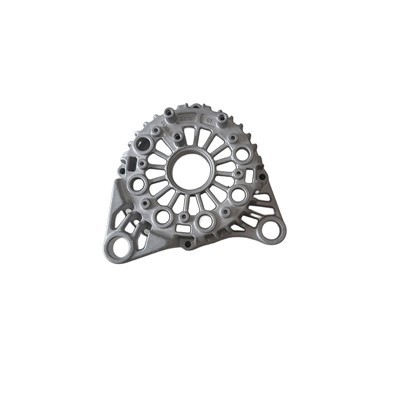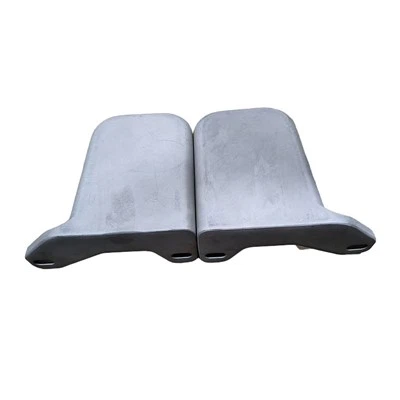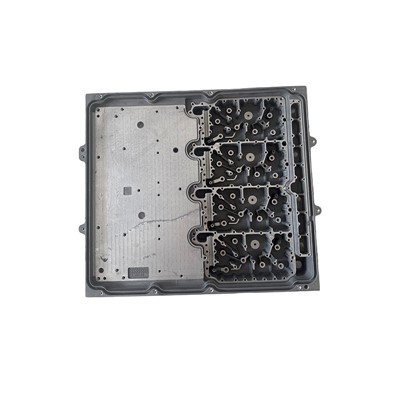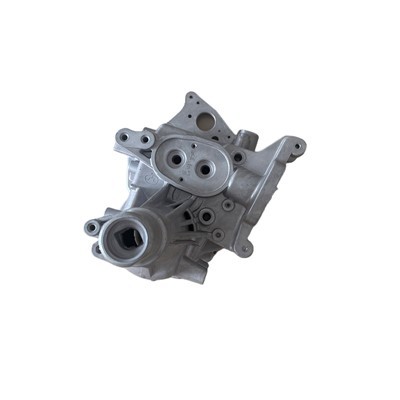

Hey there! As a supplier of Machinery Casting Parts, I've seen firsthand the many benefits of sand casting for machinery parts. In this blog post, I'm going to share with you some of the advantages that make sand casting a top choice in the world of manufacturing.
1. Cost - Effectiveness
One of the biggest draws of sand casting is its cost - effectiveness. Unlike some other casting methods that require expensive molds and equipment, sand casting uses sand as the primary molding material. Sand is readily available and inexpensive, which significantly reduces the overall production cost.
For small - to medium - sized production runs, sand casting is a no - brainer. You don't have to shell out a fortune on creating complex molds. This makes it an ideal option for startups or companies looking to produce machinery parts on a budget. Even for larger production runs, the cost savings can be substantial. The low cost of sand and the relatively simple process mean that you can get high - quality parts at a fraction of the cost compared to other casting techniques.
2. Versatility in Design
Sand casting offers incredible versatility when it comes to design. You can create parts of almost any shape and size. Whether you need a simple, straightforward component or a highly complex and intricate machinery part, sand casting can handle it.
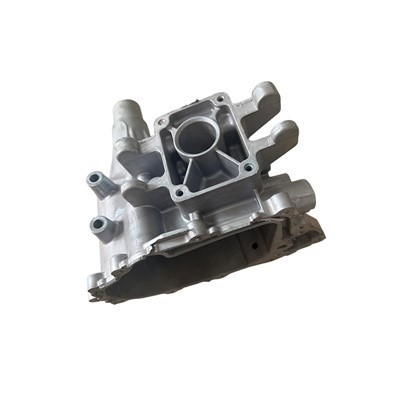
The sand molds can be easily customized to accommodate different design requirements. You can incorporate various features such as holes, cavities, and undercuts without much difficulty. This flexibility is a huge advantage, especially in industries where unique and specialized parts are needed. For example, in the automotive industry, Aluminum Gearbox Housing often have complex internal structures that can be effectively produced using sand casting.
3. Material Compatibility
Sand casting is compatible with a wide range of materials. You can use ferrous metals like iron and steel, as well as non - ferrous metals such as aluminum, brass, and bronze. This means that you can choose the material that best suits the specific requirements of your machinery parts.
For instance, if you need a part that is lightweight and corrosion - resistant, aluminum might be the way to go. On the other hand, if you need a part with high strength and durability, steel could be a better option. The ability to work with different materials gives you more options and allows you to optimize the performance of your machinery parts.
4. Low - Volume Production
If you only need to produce a small number of machinery parts, sand casting is the perfect solution. Setting up a sand casting process for low - volume production is relatively quick and easy. You don't have to invest in large - scale production equipment or long - lead - time molds.
This is great for companies that are testing new designs or producing prototypes. You can get a small batch of parts made quickly and cost - effectively to see if they meet your requirements. Once you're satisfied with the design, you can then decide whether to scale up production.
5. High - Quality Surface Finish
Contrary to what some might think, sand casting can produce parts with a high - quality surface finish. With the right techniques and materials, you can achieve a smooth and even finish on your machinery parts. This is important because a good surface finish can improve the functionality and appearance of the parts.
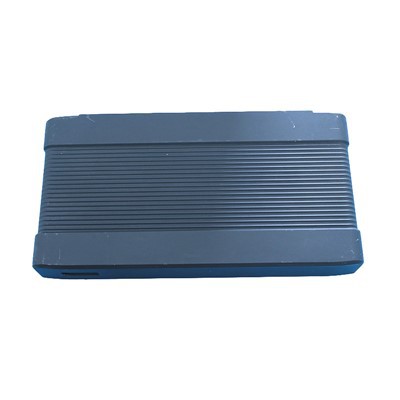
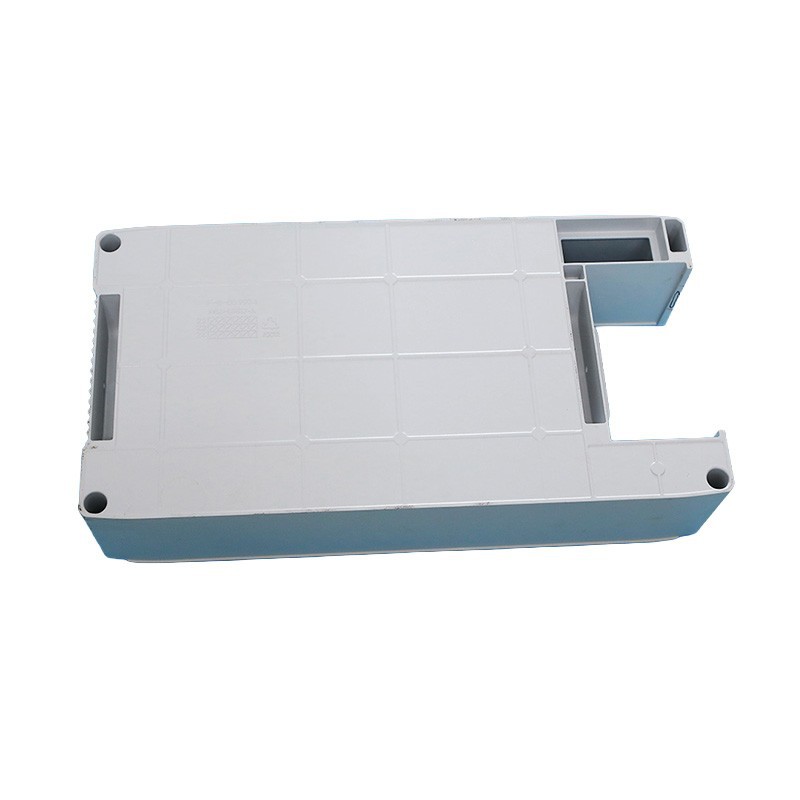
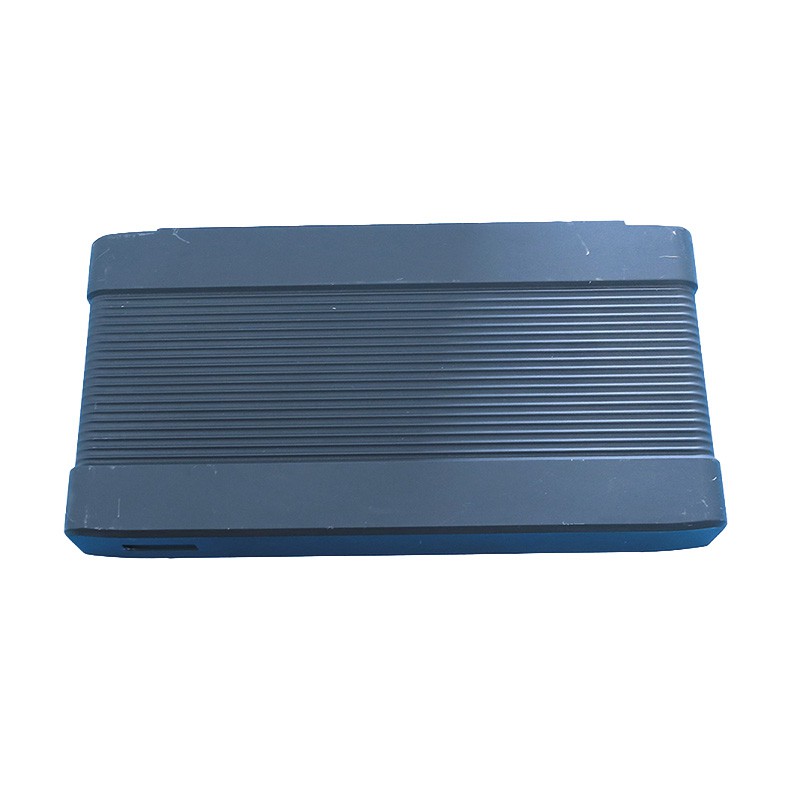
The sand used in the casting process can be selected based on its grain size and properties to control the surface finish. Additionally, post - casting treatments such as machining and polishing can further enhance the surface quality. For example, in the production of EV Battery Housing, a smooth surface finish is crucial for proper fit and function.
6. Ease of Production
The sand casting process is relatively simple and easy to understand. It doesn't require highly specialized skills or equipment. This means that it can be carried out in a wide range of manufacturing facilities, from small workshops to large factories.
The basic steps of sand casting involve creating a pattern, making a sand mold, pouring the molten metal into the mold, and then removing the part once it has solidified. These steps are straightforward and can be easily mastered by workers with some training. This ease of production also means that production can be ramped up quickly if needed.
7. Environmental Friendliness
Sand casting is a relatively environmentally friendly manufacturing process. The sand used in the molds can be recycled and reused multiple times, reducing waste. Additionally, the energy consumption in sand casting is generally lower compared to some other casting methods.
This is becoming increasingly important in today's world, where companies are looking for more sustainable manufacturing practices. By choosing sand casting for your machinery parts, you can not only save money but also contribute to a greener environment.
8. Reliability and Durability
The parts produced through sand casting are known for their reliability and durability. The casting process ensures that the metal is evenly distributed throughout the part, resulting in a strong and uniform structure.
These parts can withstand high levels of stress and wear, making them suitable for use in demanding machinery applications. Whether it's in heavy - duty industrial equipment or automotive engines, sand - cast parts can perform consistently over a long period of time.
Contact for Purchase
If you're interested in purchasing high - quality sand - cast machinery parts, I'd love to have a chat with you. We have a wide range of products and can customize parts to meet your specific needs. Don't hesitate to reach out and start a discussion about your requirements.
References
- "Foundry Technology: Principles and Practice" by P. C. Purohit
- "Casting Processes and Quality Control" by John Campbell
- "Manufacturing Engineering and Technology" by Serope Kalpakjian and Steven Schmid