
As a supplier of EV Battery Housing, I've witnessed firsthand the transformative impact of lightweight battery housings on the electric vehicle (EV) industry. In this blog, I'll delve into the numerous benefits of a lightweight EV battery housing and why it's a game-changer for the future of transportation.
Enhanced Energy Efficiency
One of the most significant advantages of a lightweight EV battery housing is its positive impact on energy efficiency. In an EV, every ounce of weight matters. A lighter battery housing reduces the overall weight of the vehicle, which in turn requires less energy to move. This means that the vehicle can travel further on a single charge, effectively increasing its range.
According to a study by the Union of Concerned Scientists, reducing the weight of an EV by 10% can improve its energy efficiency by up to 6 - 8%. This improvement is crucial for the widespread adoption of EVs, as range anxiety is one of the main concerns for potential buyers. By using a lightweight battery housing, we can help alleviate this concern and make EVs a more attractive option for consumers.
Improved Performance
Lightweight battery housings also contribute to improved vehicle performance. A lighter vehicle has better acceleration and handling, as the power-to-weight ratio is optimized. This means that the EV can reach higher speeds more quickly and navigate corners more smoothly.
In addition, a lightweight battery housing can reduce the strain on the vehicle's suspension and braking systems. Since there is less weight to stop and control, these components can operate more efficiently and have a longer lifespan. This not only improves the overall driving experience but also reduces maintenance costs for the vehicle owner.
Cost Savings
From a manufacturing perspective, lightweight battery housings can lead to significant cost savings. Lighter materials often require less energy to produce and process, which can reduce production costs. Additionally, the reduced weight of the battery housing can lead to lower shipping costs, as less fuel is needed to transport the vehicle.
For consumers, the cost savings are also substantial. As mentioned earlier, the improved energy efficiency of a vehicle with a lightweight battery housing means lower electricity costs over the lifetime of the vehicle. Moreover, the reduced maintenance costs associated with better-performing components can also save money in the long run.
Environmental Benefits
The environmental benefits of a lightweight EV battery housing are far-reaching. By improving energy efficiency and reducing the overall weight of the vehicle, we can decrease the carbon footprint of EVs. This is especially important as the world moves towards a more sustainable future.
In addition, many lightweight materials used in battery housings are recyclable. This means that at the end of the vehicle's life, the battery housing can be recycled and used to produce new components, reducing waste and conserving resources.
Design Flexibility
Lightweight materials offer greater design flexibility compared to traditional heavy materials. This allows for more innovative and efficient battery housing designs. For example, we can create battery housings with complex shapes and structures that optimize space utilization and improve the overall packaging of the battery system.
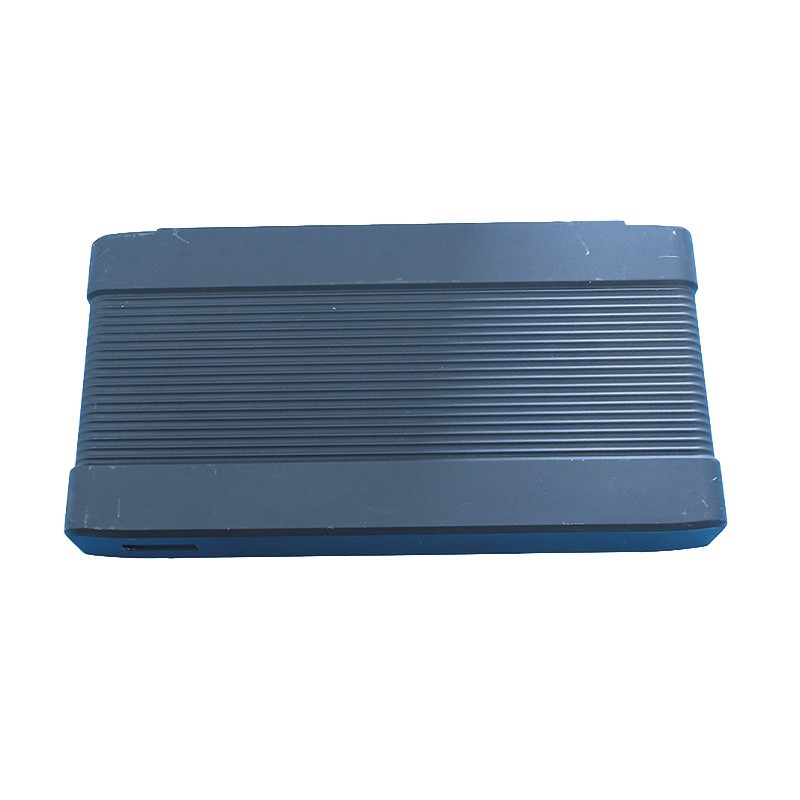
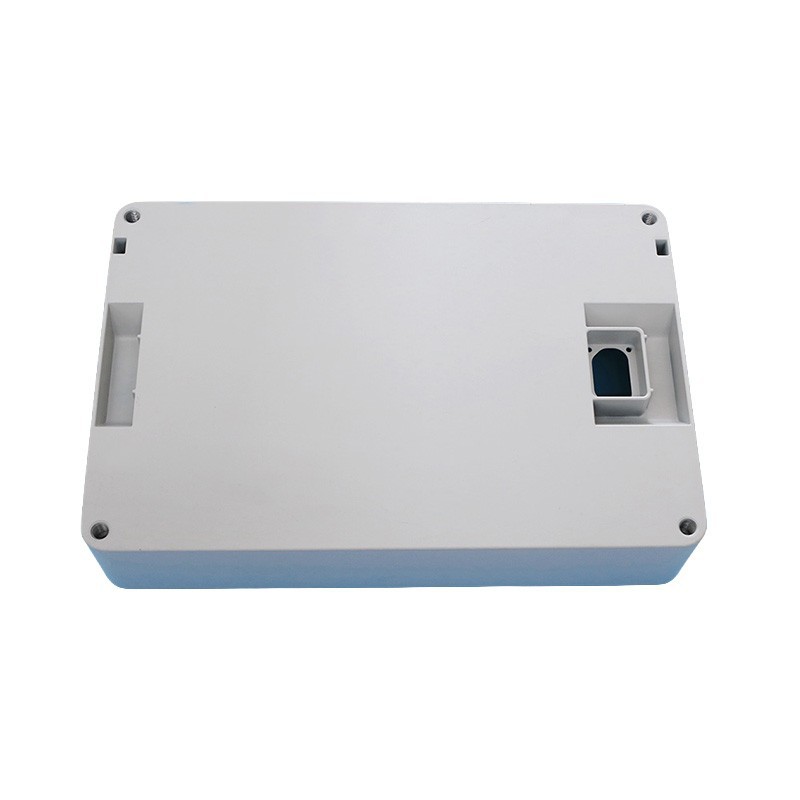
This design flexibility also enables us to integrate additional features and functions into the battery housing. For instance, we can incorporate cooling channels or structural reinforcements directly into the housing, which can improve the performance and safety of the battery.
Safety
Safety is a top priority in the EV industry, and lightweight battery housings can play a crucial role in enhancing vehicle safety. Many lightweight materials have excellent crashworthiness properties, which means they can absorb and dissipate energy during a collision. This helps to protect the battery and the passengers in the vehicle.
In addition, a lightweight battery housing can be designed to provide better thermal management. This is important because overheating can cause battery degradation and even lead to safety hazards. By ensuring that the battery stays within a safe temperature range, we can improve the reliability and safety of the EV.
Our Offerings
At our company, we specialize in providing high-quality EV Battery Housing. Our battery housings are made from lightweight and durable materials, ensuring optimal performance and safety. We also offer a range of Machinery Casting Parts and Hardware Die Casting Parts to meet the diverse needs of our customers.
If you're interested in learning more about our products or have any questions, we encourage you to reach out to us for a procurement discussion. We're committed to providing the best solutions for your EV battery housing needs.
References
- Union of Concerned Scientists. (Year). "The Benefits of Lightweighting in Electric Vehicles."
- Various industry reports on EV battery technology and lightweight materials.