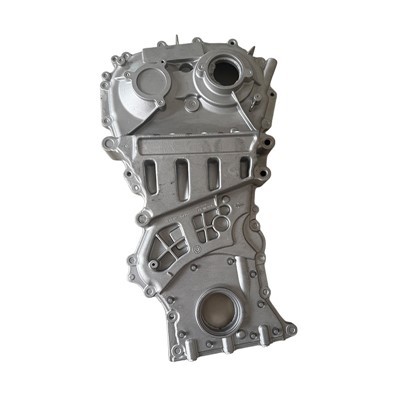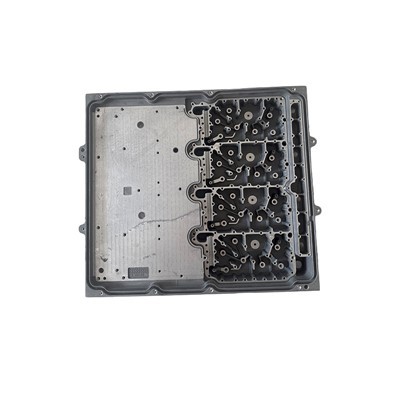

Hey there! As a supplier of Aluminum Robot Parts, I often get asked about the chemical resistance of these parts. It's a crucial aspect, especially considering the diverse environments where robots operate. So, let's dive right into what the chemical resistance of aluminum robot parts is all about.
Understanding Aluminum's Basic Chemistry
First off, aluminum is a pretty reactive metal. When it's exposed to air, it quickly forms a thin layer of aluminum oxide on its surface. This layer acts as a protective shield, preventing further oxidation and corrosion. That's why aluminum is known for its natural resistance to many chemicals in normal atmospheric conditions.
But here's the thing. The chemical resistance of aluminum isn't a one - size - fits - all deal. It depends on a bunch of factors, like the type of aluminum alloy used, the surface finish, and the specific chemicals it comes into contact with.
Factors Affecting Chemical Resistance
Aluminum Alloys
There are different aluminum alloys out there, and each has its own set of properties. Some alloys are formulated to be more resistant to certain chemicals. For example, alloys with higher amounts of magnesium or silicon can offer better resistance in some acidic or alkaline environments. When we're making Aluminum Robot Parts, we carefully select the alloy based on the expected chemical exposure of the parts.
Surface Finish
The surface finish of aluminum robot parts also plays a huge role. A smooth, polished surface is generally more resistant to chemical attack than a rough one. That's because rough surfaces have more nooks and crannies where chemicals can accumulate and start to eat away at the metal. We use various surface treatment methods, like anodizing, to improve the chemical resistance of our parts. Anodizing creates a thicker, more durable oxide layer on the surface, enhancing its protection.
Chemical Exposure
The type of chemicals the robot parts are exposed to makes a big difference. Aluminum has good resistance to many weak acids and bases. For instance, it can withstand mild acetic acid, which is found in vinegar. However, strong acids and alkalis can be a problem. Hydrochloric acid and sodium hydroxide, for example, can react with aluminum and cause corrosion.
Resistance to Different Chemicals
Acids
As I mentioned earlier, aluminum can handle some weak acids. But when it comes to strong acids, things get tricky. Strong acids like sulfuric acid and nitric acid can dissolve the aluminum oxide layer and react with the underlying metal. This leads to pitting and corrosion, which can damage the robot parts over time. On the other hand, some organic acids, like citric acid, have a relatively mild effect on aluminum, especially if the parts have a good surface finish.
Bases
Aluminum also has a limited tolerance for bases. Strong bases, such as sodium hydroxide, can react with aluminum to form soluble aluminates. This reaction can cause the metal to deteriorate rapidly. However, weak bases may not have as severe an impact, especially if the aluminum is protected by a proper oxide layer.
Salts
Salts can be a mixed bag. Some salts, like sodium chloride (table salt), can accelerate corrosion when in the presence of moisture. The salt can break down the aluminum oxide layer and promote the formation of rust. But other salts may have a less significant effect. It all depends on the specific salt and the conditions under which the robot parts are exposed.
Real - World Applications
In real - world scenarios, aluminum robot parts are used in a variety of industries. For example, in the food and beverage industry, robots are often used for packaging and processing. These robots need parts that can resist the mild acids and alkalis found in food products. Our Aluminum Robot Parts are designed to meet these requirements, ensuring long - term durability in these environments.
In the electronics industry, robots are used for assembly and testing. They may be exposed to various cleaning agents and solvents. Aluminum parts with good chemical resistance can withstand these chemicals without getting damaged, which is essential for maintaining the precision and functionality of the robots.
Comparing with Other Materials
When it comes to chemical resistance, aluminum has its pros and cons compared to other materials. For example, stainless steel is known for its excellent corrosion resistance, especially in harsh chemical environments. However, aluminum is lighter and more cost - effective. In some applications where weight is a critical factor, like in aerospace or mobile robots, aluminum's chemical resistance, although not as high as stainless steel in some cases, is still sufficient.
Our Approach as a Supplier
As a supplier of Aluminum Robot Parts, we take chemical resistance very seriously. We conduct extensive testing on our parts to ensure they meet the required standards. We also work closely with our customers to understand their specific chemical exposure requirements. Based on this information, we can recommend the most suitable alloy and surface treatment for their needs.
For example, if a customer needs robot parts for a chemical processing plant, we'll suggest an alloy with high chemical resistance and a surface finish that can withstand the harsh chemicals used in the plant. We also offer custom - made parts to meet the unique requirements of different industries.
Related Products
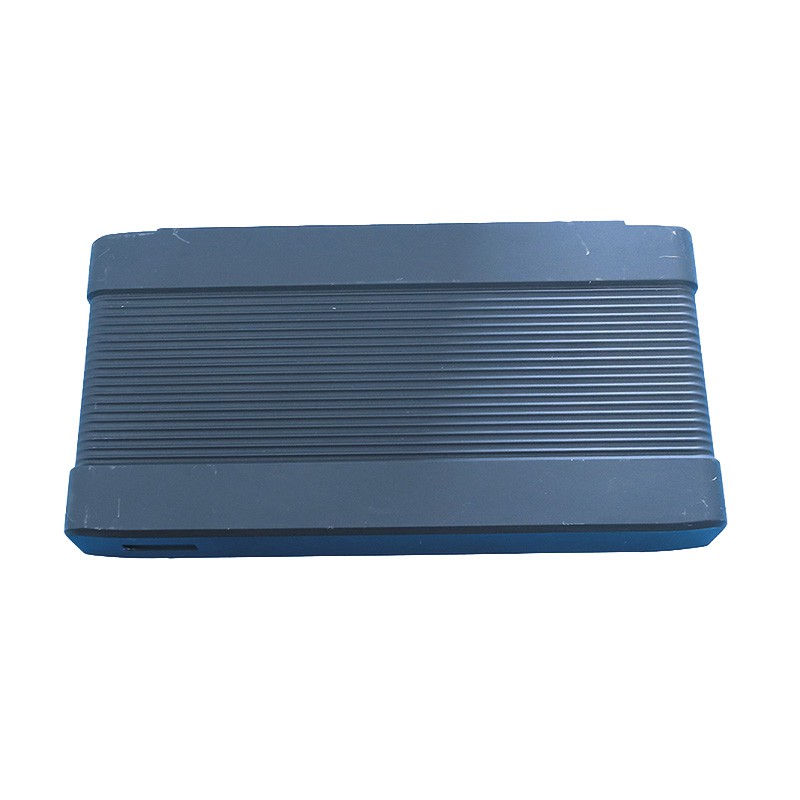
In addition to Aluminum Robot Parts, we also supply other aluminum die - casting products. Our Aluminum LED Housing is designed to provide good heat dissipation and chemical resistance. It's used in various lighting applications, where it may be exposed to different environmental conditions.
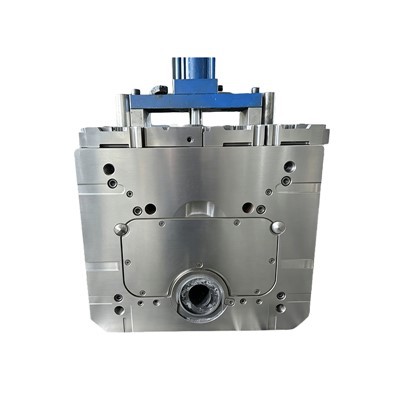
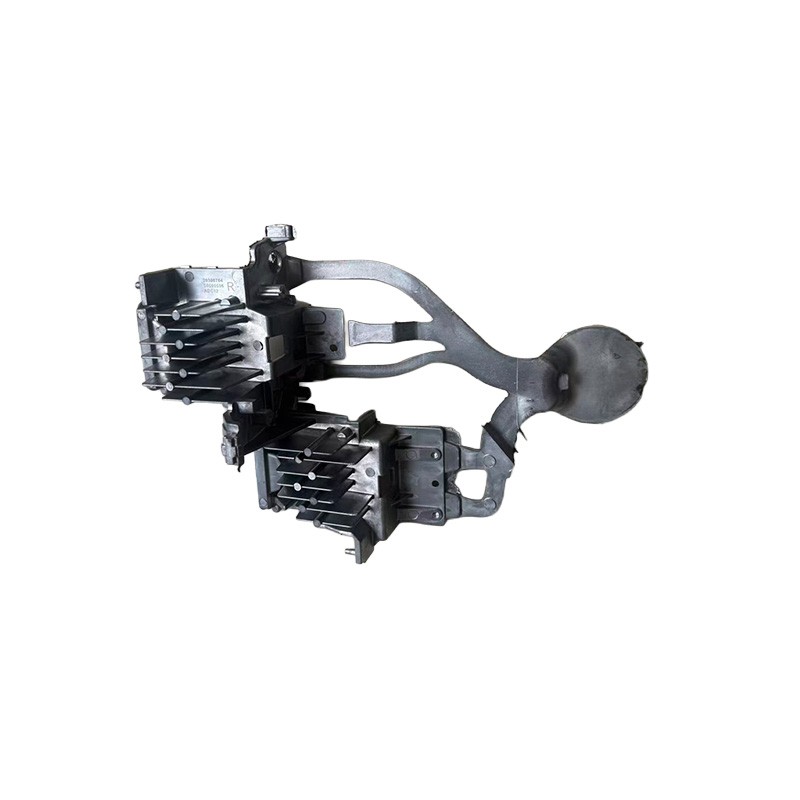
Our Machinery Casting Parts are also made of high - quality aluminum alloys. These parts are used in a wide range of machinery, and their chemical resistance is crucial for ensuring the long - term performance of the equipment.
Conclusion
In conclusion, the chemical resistance of aluminum robot parts is a complex but important topic. It depends on factors like the alloy, surface finish, and the specific chemicals the parts are exposed to. As a supplier, we're committed to providing high - quality parts with excellent chemical resistance. Whether you're in the food industry, electronics industry, or any other sector that uses robots, our Aluminum Robot Parts can meet your needs.
If you're interested in purchasing our aluminum robot parts or have any questions about their chemical resistance, feel free to reach out. We're here to help you find the best solutions for your applications.
References
- "Aluminum: Properties and Physical Metallurgy" by John E. Hatch
- "Corrosion of Aluminum and Aluminum Alloys" by R. Winzer and H. Böhni