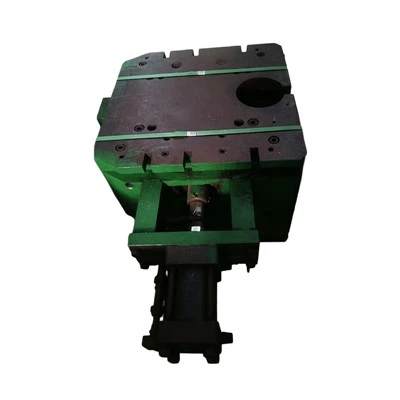

Hey there! As a supplier of Die Cast Aluminum Molds, I've been getting a lot of questions about the best materials for inserts in these molds. So, I thought I'd share some insights on this topic.
First off, let's understand why inserts are so important in die - cast aluminum molds. Inserts are used to create specific features in the cast parts, like holes, threads, or complex shapes. They need to be made of materials that can withstand high temperatures, pressures, and wear during the die - casting process.
One of the most popular materials for inserts is tool steel. Tool steel is known for its high hardness and wear resistance. It can handle the high pressures and temperatures that occur during die - casting. There are different types of tool steel, such as H13. H13 tool steel is a go - to choice for many die - casting applications. It has good thermal fatigue resistance, which means it can endure repeated heating and cooling cycles without cracking easily. This is crucial because in die - casting, the inserts are exposed to extreme temperature changes every time a part is cast.
Another great material is tungsten carbide. Tungsten carbide is extremely hard and has excellent wear resistance. It's ideal for inserts that are used to create small, precise features in the cast parts. For example, if you're making a die - cast aluminum part with very fine threads, tungsten carbide inserts can ensure that the threads are sharp and accurate. However, tungsten carbide is quite expensive compared to tool steel. But if you need high - precision and long - lasting inserts, it's definitely worth the investment.
Stainless steel is also a viable option for inserts. It has good corrosion resistance, which can be beneficial if the die - casting process involves the use of certain chemicals or if the cast parts will be exposed to a corrosive environment. Stainless steel inserts can be a cost - effective alternative to tool steel in some cases, especially for less demanding applications.
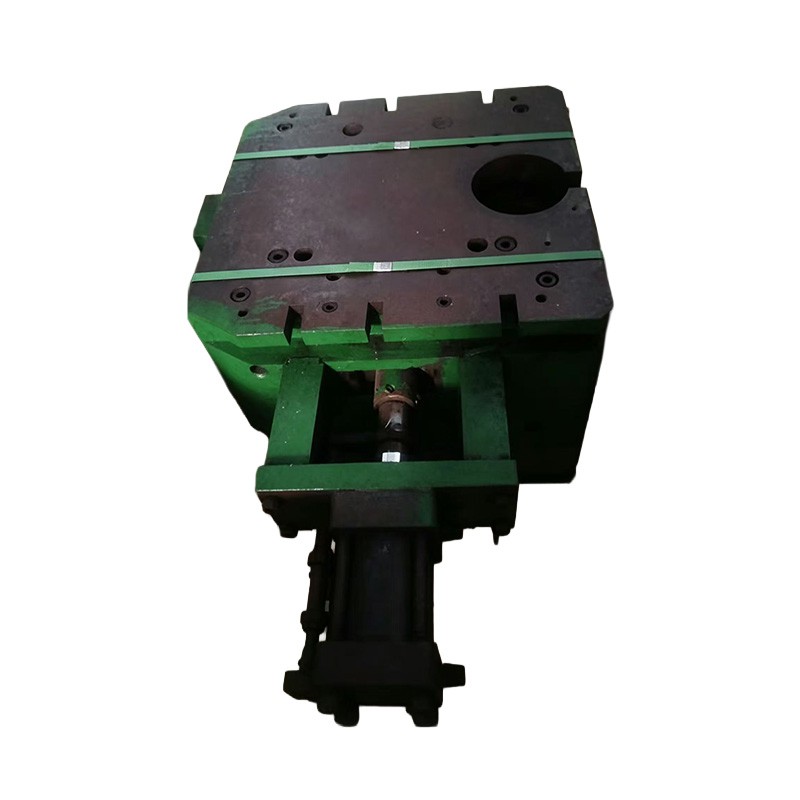
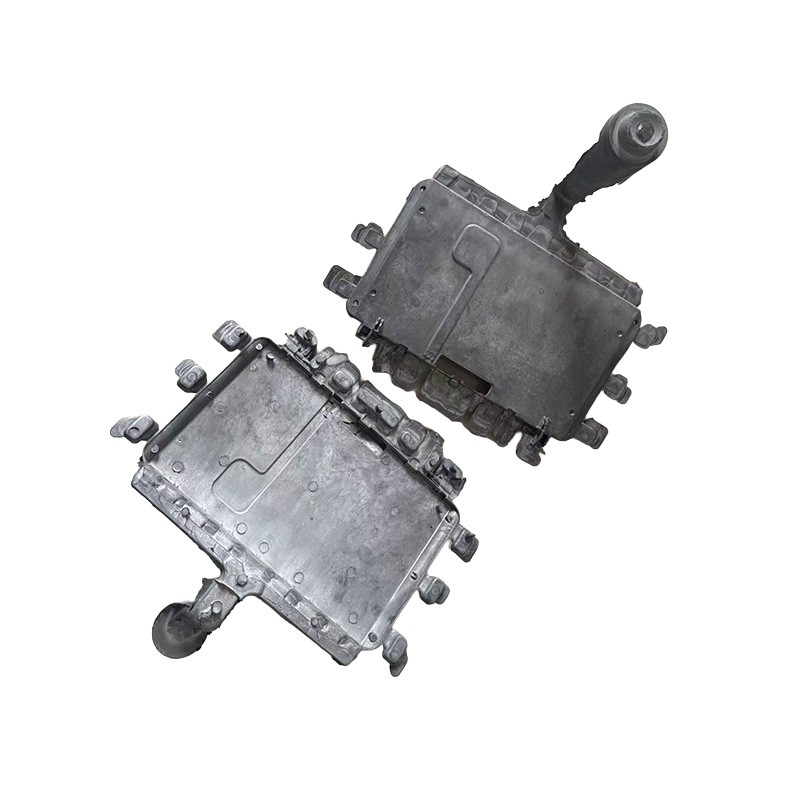
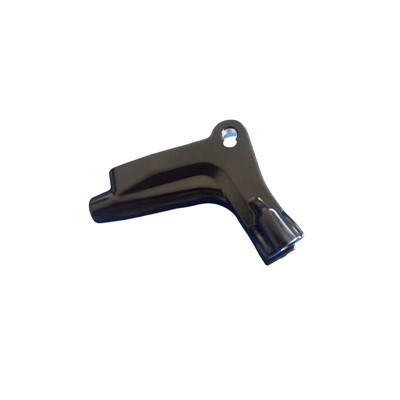
Now, let's talk about some of the products we offer as a Die Cast Aluminum Mold supplier. We have a wide range of Magnesium Die Casting Mold that are designed to meet different customer needs. These molds are made with high - quality materials to ensure durability and precision.
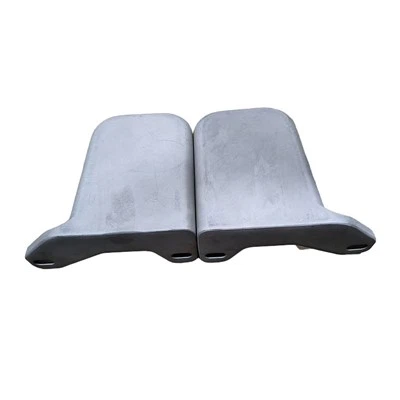
Our Die Casting Magnesium Aluminum Alloy Mold is another great option. This type of mold combines the benefits of both magnesium and aluminum alloys, offering a good balance of strength and lightness. The inserts in these molds are carefully selected to ensure the best performance.
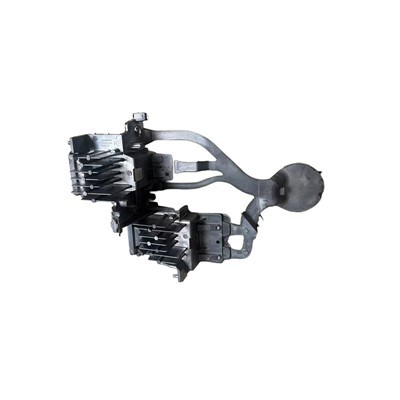
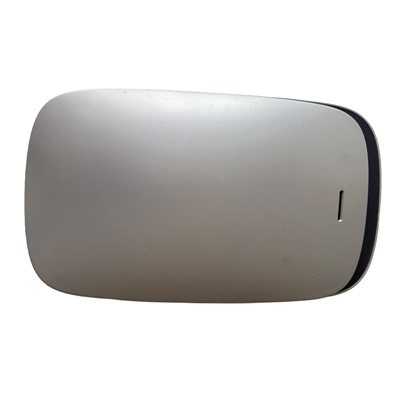
We also provide Precision Die Casting Parts. These parts are made using advanced die - casting techniques and high - quality inserts. Whether you need small, intricate parts or large, complex components, we can meet your requirements.
When choosing the best material for inserts in die - cast aluminum molds, you need to consider several factors. The type of part you're casting, the production volume, and the budget are all important. If you're producing a large number of parts, you might want to invest in more durable and long - lasting materials like tool steel or tungsten carbide. On the other hand, if you're doing a small - scale production or have a limited budget, stainless steel inserts could be a good choice.
It's also important to work with a reliable supplier. At our company, we have a team of experts who can help you choose the right materials for your inserts. We have years of experience in the die - casting industry, and we know what works best for different applications.
In addition to the materials we've discussed, there are also some emerging materials that are being explored for die - casting inserts. For example, some ceramic materials are showing promise due to their high heat resistance and low thermal expansion. However, these materials are still in the experimental stage and may not be widely available yet.
To sum it up, the best material for inserts in die - cast aluminum molds depends on your specific needs. Tool steel, tungsten carbide, and stainless steel are all great options, each with its own advantages. If you're looking for high - quality die - cast aluminum molds and inserts, we're here to help. We can provide you with the best solutions based on your requirements.
If you're interested in our products or have any questions about die - casting inserts, don't hesitate to reach out. We're always happy to have a chat and discuss how we can meet your needs. Whether you're a small business or a large corporation, we're committed to providing you with top - notch products and excellent service.
References
- "Die Casting Handbook" by J. Campbell
- "Materials Science and Engineering: An Introduction" by William D. Callister, Jr. and David G. Rethwisch