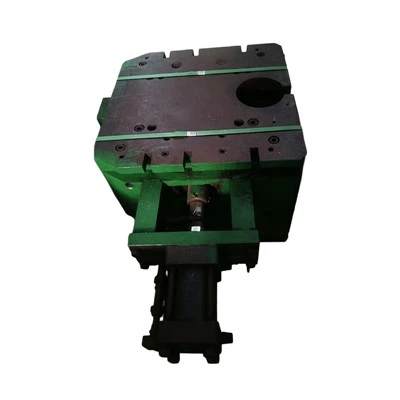

As a supplier of Lighting Die Casting Mold, I've witnessed firsthand the challenges that come with producing high - quality molds for the lighting industry. In this blog, I'll share some of the common problems encountered in lighting die casting mold production and discuss possible solutions.
1. Surface Defects
One of the most prevalent issues in lighting die casting mold production is surface defects. These can include porosity, cold shuts, and flash.
Porosity
Porosity occurs when gas is trapped inside the casting during the die - casting process. This can be due to several factors, such as improper venting in the mold, high gas content in the molten metal, or rapid solidification. For lighting molds, porosity can be particularly problematic as it can affect the appearance and performance of the final lighting product. To address porosity, it's essential to ensure proper venting design in the mold. This may involve adding vents at strategic locations to allow gas to escape during the casting process. Additionally, controlling the gas content in the molten metal through proper melting and degassing techniques can help reduce porosity.
Cold Shuts
Cold shuts happen when two streams of molten metal meet and fail to fuse properly. This can be caused by low pouring temperatures, slow injection speeds, or improper gate design. In lighting die casting, cold shuts can lead to weak spots in the mold and affect the overall quality of the lighting component. To prevent cold shuts, it's important to maintain the appropriate pouring temperature and injection speed. The gate design should also be optimized to ensure smooth and uniform flow of the molten metal into the mold cavity.
Flash
Flash is excess metal that forms around the edges of the casting. It is usually caused by improper mold clamping, worn - out mold components, or excessive injection pressure. Flash not only affects the aesthetic appearance of the lighting mold but also requires additional post - processing to remove. To reduce flash, regular maintenance of the mold is crucial. This includes checking and replacing worn - out components, ensuring proper mold clamping force, and adjusting the injection pressure as needed.
2. Dimensional Accuracy
Maintaining dimensional accuracy is another critical challenge in lighting die casting mold production. Lighting products often have strict dimensional requirements, and any deviation can lead to assembly issues or poor performance.
Thermal Expansion
During the die - casting process, the mold is subjected to high temperatures, which can cause thermal expansion. This expansion can lead to dimensional changes in the mold cavity, resulting in parts that do not meet the required specifications. To compensate for thermal expansion, it's necessary to design the mold with appropriate allowances. This may involve using materials with low thermal expansion coefficients and carefully calculating the expected expansion based on the operating temperature of the mold.
Wear and Tear
Over time, the mold is subject to wear and tear due to the repeated contact with molten metal and the mechanical forces involved in the die - casting process. This wear can cause changes in the dimensions of the mold cavity, leading to inaccurate parts. Regular inspection and maintenance of the mold can help detect and address wear and tear issues early. This may include re - machining the mold cavity or replacing worn - out inserts.
3. Ejection Problems
Ejection problems are also common in lighting die casting mold production. If the parts cannot be ejected smoothly from the mold, it can lead to damage to the parts or the mold itself.
Adhesion
Adhesion between the casting and the mold surface can occur due to factors such as improper mold release agents, rough mold surfaces, or chemical reactions between the molten metal and the mold material. To prevent adhesion, it's important to use high - quality mold release agents and ensure that the mold surface is properly polished. Additionally, choosing the right mold material that is resistant to chemical reactions with the molten metal can help reduce adhesion.
Ejection Pin Breakage
Ejection pin breakage can happen if the ejection pins are not properly designed or installed. This can lead to parts getting stuck in the mold and cause production delays. To avoid ejection pin breakage, the ejection pins should be designed with the appropriate diameter and length, and they should be installed securely in the mold. Regular inspection of the ejection pins for signs of wear or damage is also necessary.
4. Material Selection
The choice of mold material is crucial in lighting die casting mold production. The wrong material can lead to various problems, such as poor heat transfer, low wear resistance, and high costs.
Heat Transfer
Lighting die casting molds are exposed to high temperatures during the casting process. Therefore, the mold material should have good heat transfer properties to ensure rapid cooling of the molten metal and prevent overheating of the mold. Materials such as H13 tool steel are commonly used in lighting die casting molds due to their excellent heat transfer characteristics.
Wear Resistance
The mold is in contact with molten metal and is subject to abrasion and erosion. A mold material with high wear resistance is essential to ensure a long service life of the mold. Tool steels with high hardness and good wear - resistant properties are often selected for lighting die casting molds.
Cost
While it's important to choose a high - quality mold material, cost is also a significant factor. The material should provide a good balance between performance and cost. Some alternative materials may offer similar performance at a lower cost, and it's important to evaluate these options during the material selection process.
5. Design Complexity
Lighting products often have complex shapes and designs, which can pose challenges in mold production.
Undercuts and Inserts
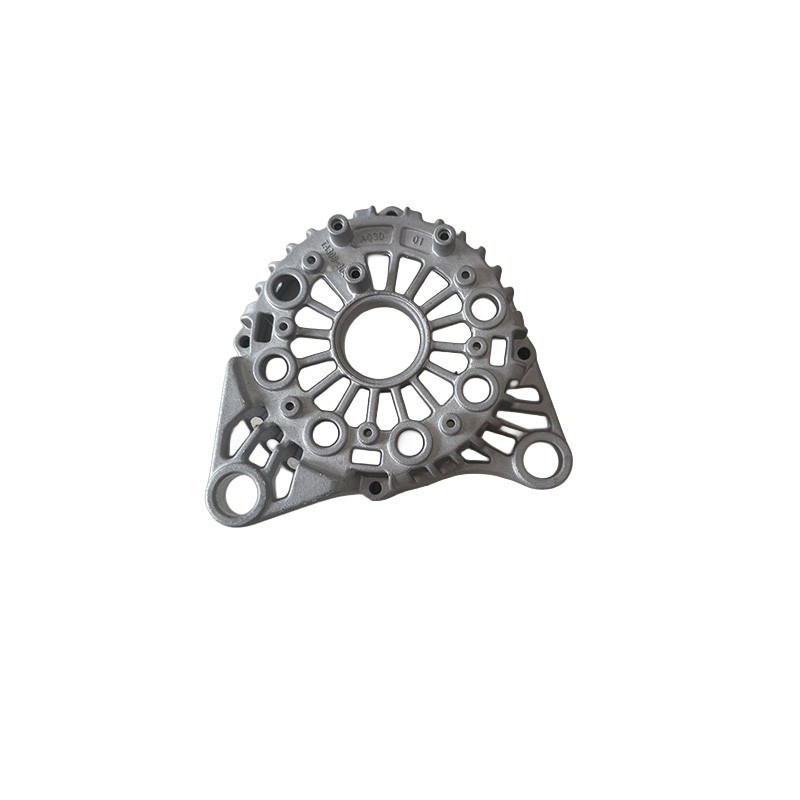
Undercuts in the lighting component design require the use of inserts in the mold. Designing and manufacturing these inserts can be complex and time - consuming. Additionally, ensuring proper alignment and fit of the inserts is crucial to prevent defects in the casting. To address this issue, advanced CAD/CAM technologies can be used to design and manufacture the inserts with high precision.
Thin - Walled Sections
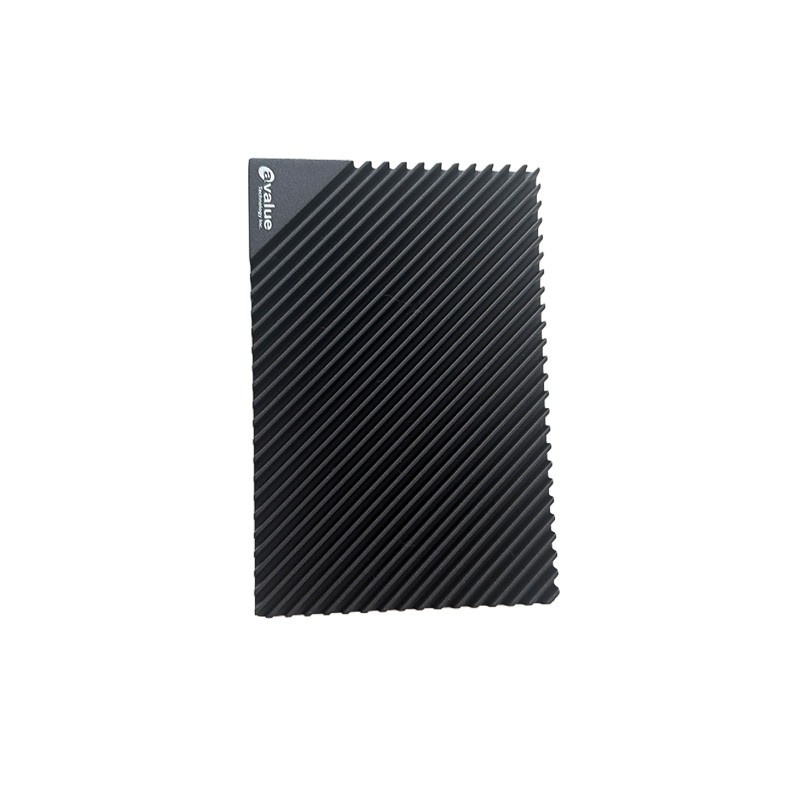
Lighting products may have thin - walled sections, which can be difficult to cast. Thin - walled sections require high injection pressures and fast injection speeds to ensure complete filling of the mold cavity. However, these conditions can also increase the risk of defects such as porosity and cold shuts. Specialized casting techniques and mold designs may be required to successfully cast thin - walled sections.
Related Products
If you're also interested in other types of die - casting molds, we offer a wide range of options, including Medical Device Die Casting Mold, Home Appliance Die Casting Mold, and Hardware Die Casting Mold.
Conclusion
In conclusion, lighting die casting mold production comes with a variety of challenges, including surface defects, dimensional accuracy issues, ejection problems, material selection, and design complexity. By understanding these common problems and implementing appropriate solutions, we can produce high - quality lighting die casting molds that meet the strict requirements of the lighting industry.
If you're in the market for lighting die casting molds or have any questions about our products and services, we encourage you to contact us for a detailed discussion and potential procurement. We look forward to working with you to meet your specific needs.
References
- Campbell, J. (2003). Castings. Butterworth - Heinemann.
- Kalpakjian, S., & Schmid, S. R. (2013). Manufacturing Engineering and Technology. Pearson.
- Whelan, P. (2016). Die Casting Handbook: From Fundamentals to Advanced Applications. Elsevier.