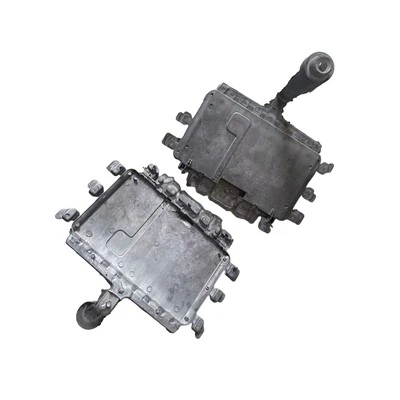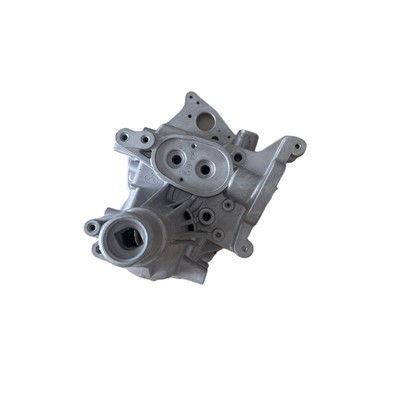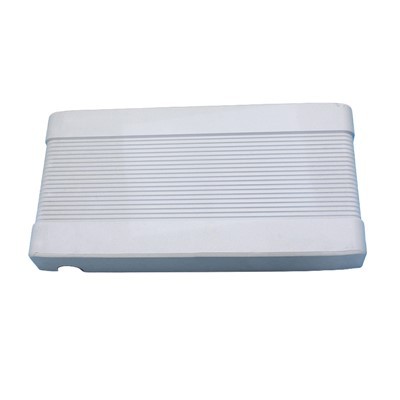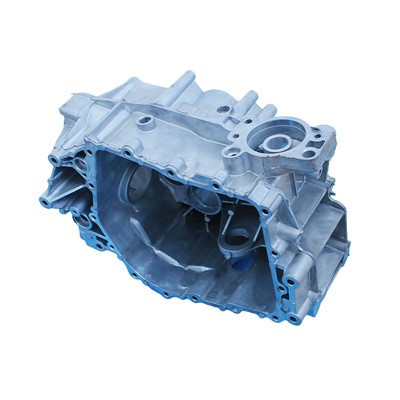

As a supplier of EV battery housings, I understand the critical role that wear resistance plays in the performance and longevity of electric vehicle (EV) batteries. In this blog post, I will delve into the wear - resistance requirements for an EV battery housing, exploring why it is essential, the factors that influence it, and the standards and testing methods used to ensure compliance.
Why Wear Resistance is Crucial for EV Battery Housings
The EV battery housing serves as a protective enclosure for the battery cells. It shields the sensitive battery components from external factors such as physical impacts, abrasion, and environmental elements. Wear resistance is vital for several reasons:
- Protection of Battery Cells: A wear - resistant housing prevents scratches, dents, and other forms of physical damage that could compromise the integrity of the battery cells. Even minor damage to the housing can lead to moisture ingress, which can cause corrosion and short - circuits in the battery, reducing its performance and lifespan.
- Safety: A durable housing helps to maintain the structural integrity of the battery pack, reducing the risk of battery failure and potential safety hazards. In the event of a collision or rough handling, a wear - resistant housing can absorb and distribute impact forces, protecting the battery from damage.
- Long - term Performance: EVs are expected to have a long service life. A wear - resistant battery housing ensures that the battery remains protected throughout its lifespan, maintaining its performance and reliability over time.
Factors Influencing Wear Resistance
Several factors influence the wear resistance of an EV battery housing:
- Material Selection: The choice of material is one of the most critical factors. Common materials for EV battery housings include aluminum, steel, and magnesium alloys. Aluminum is lightweight, corrosion - resistant, and has good thermal conductivity. Steel offers high strength and durability, while magnesium alloys are lightweight and have excellent damping properties. Each material has different wear - resistance characteristics. For example, aluminum can be anodized to improve its wear resistance, while steel can be heat - treated to enhance its hardness.
- Surface Finish: The surface finish of the battery housing also affects its wear resistance. A smooth surface finish reduces friction and wear, while a rough surface can increase the likelihood of abrasion. Surface treatments such as coating, plating, or painting can be applied to improve the wear resistance of the housing. For instance, a hard - anodized coating on an aluminum housing can significantly enhance its wear resistance.
- Design and Geometry: The design and geometry of the battery housing can impact its wear resistance. Sharp edges and corners are more prone to wear and damage compared to rounded or chamfered edges. Additionally, the housing should be designed to minimize stress concentrations, which can lead to premature wear.
Wear - Resistance Standards and Testing
To ensure that EV battery housings meet the required wear - resistance standards, various testing methods are employed:
- Abrasion Testing: Abrasion testing is used to simulate the wear that the battery housing may experience during normal use. This can involve rubbing the housing surface against an abrasive material under controlled conditions. The amount of material loss or surface damage is then measured to evaluate the wear resistance of the housing.
- Impact Testing: Impact testing assesses the ability of the housing to withstand sudden impacts. A weight is dropped onto the housing from a specified height, and the damage to the housing is evaluated. This helps to determine the housing's ability to protect the battery cells in the event of a collision.
- Environmental Testing: Environmental testing exposes the battery housing to various environmental conditions, such as humidity, temperature, and salt spray. This helps to evaluate the housing's resistance to corrosion and other forms of environmental wear.
Our Solutions as an EV Battery Housing Supplier
As a supplier of EV battery housings, we are committed to meeting the high wear - resistance requirements of our customers. We offer a range of battery housing solutions that are designed to provide excellent wear resistance:
- High - Quality Materials: We use high - grade aluminum, steel, and magnesium alloys in our battery housings. These materials are carefully selected for their wear - resistance properties and are processed to ensure optimal performance.
- Advanced Surface Treatments: We apply advanced surface treatments to our battery housings to enhance their wear resistance. This includes anodizing, plating, and painting, which not only improve the wear resistance but also provide additional protection against corrosion.
- Innovative Design: Our design team works closely with customers to develop battery housings that are optimized for wear resistance. We use advanced CAD and simulation tools to analyze the stress distribution and wear patterns in the housing, ensuring that it can withstand the rigors of real - world use.
Related Products and Links
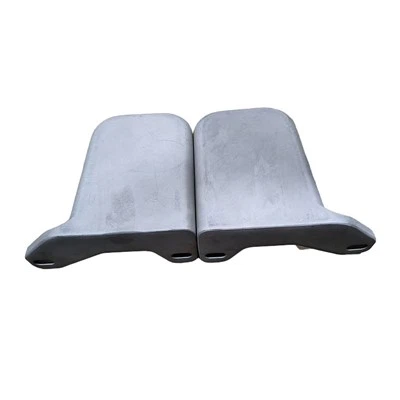
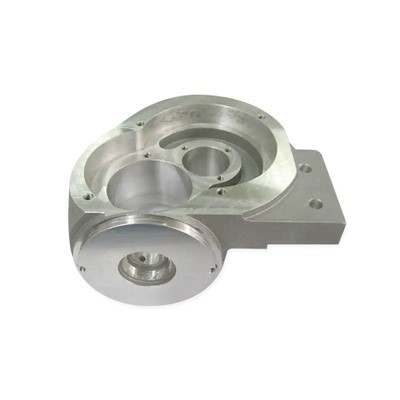
In addition to EV battery housings, we also offer a range of related products, such as Die Casting Magnesium Aluminum Alloy Mold and Aluminum Robot Parts. These products are designed to meet the high - quality and wear - resistance standards required in the automotive and robotics industries.
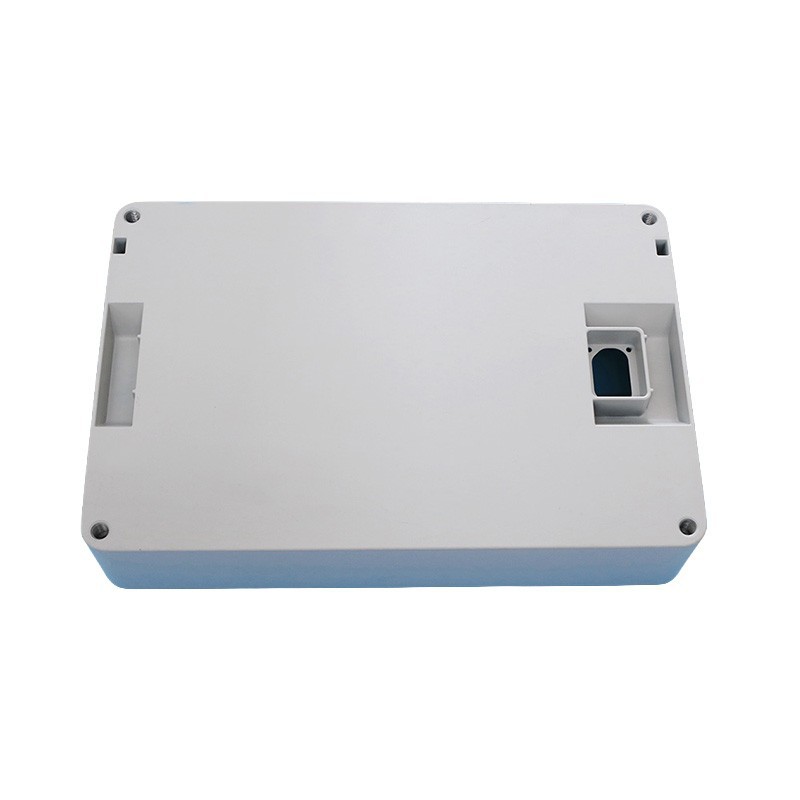

If you are interested in our EV Battery Housing or other products, we encourage you to contact us for a consultation. Our team of experts is ready to assist you in finding the best solutions for your specific needs. Whether you are an automotive manufacturer, a battery supplier, or an EV enthusiast, we can provide you with the high - quality products and services you deserve.
Conclusion
Wear resistance is a critical requirement for EV battery housings. It ensures the protection of battery cells, enhances safety, and maintains the long - term performance of the battery. As a supplier of EV battery housings, we are dedicated to providing products that meet the highest wear - resistance standards. By using high - quality materials, advanced surface treatments, and innovative design, we can offer battery housings that are durable, reliable, and safe. If you have any questions or would like to discuss your requirements, please do not hesitate to contact us.
References
- Smith, J. (2020). Materials for Electric Vehicle Battery Housings. Journal of Automotive Engineering, 45(2), 123 - 135.
- Johnson, A. (2019). Wear Resistance Testing of Automotive Components. Automotive Testing Technology International, 32(4), 78 - 85.
- Brown, C. (2021). Design Considerations for EV Battery Housings. Electric Vehicle Technology Review, 15(3), 45 - 56.