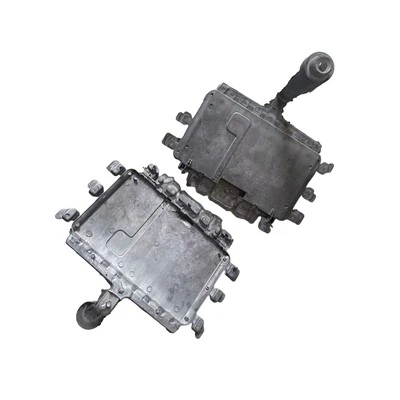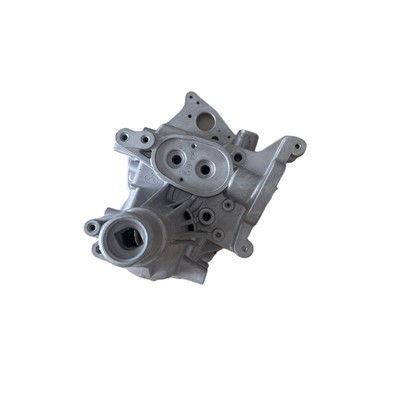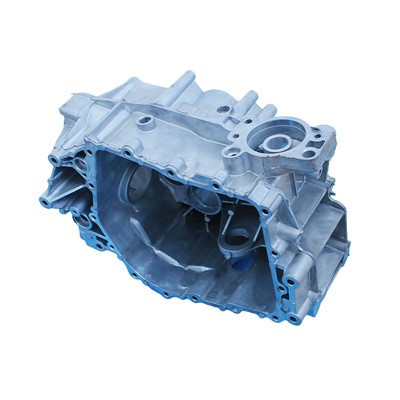

Hey there! As a supplier of Die Cast Aluminum Mold, I've seen my fair share of issues with these molds, and one of the most common and frustrating problems is cracking. In this blog, I'm gonna share some ways to prevent die cast aluminum mold from cracking.
1. Material Selection
The first step in preventing mold cracking starts with choosing the right material. High - quality tool steels are a must. These steels have good thermal conductivity, high strength, and excellent resistance to wear and thermal fatigue. For instance, H13 steel is a popular choice for die cast aluminum molds. It can withstand the high temperatures and pressures involved in the die - casting process. When you select a steel with the right properties, it reduces the likelihood of cracks forming due to thermal stress.
2. Proper Heat Treatment
Heat treatment is crucial for enhancing the performance and durability of the die cast aluminum mold. After the mold is machined, it needs to go through a series of heat - treatment processes. Quenching and tempering are two key steps. Quenching hardens the steel, while tempering relieves the internal stresses created during quenching. If the heat treatment is not done correctly, the mold may develop internal stresses that can lead to cracking over time. Make sure to follow the recommended heat - treatment procedures for the specific steel you're using.
3. Design Optimization
The design of the die cast aluminum mold plays a significant role in preventing cracking. Sharp corners and sudden changes in cross - section should be avoided. These areas create stress concentration points, which are more likely to crack under the high pressures and temperatures of the die - casting process. Instead, use rounded corners and smooth transitions in the mold design. Also, consider the gating and venting system. A well - designed gating system ensures that the molten aluminum flows smoothly into the mold cavity, reducing the pressure on the mold walls and minimizing the risk of cracking.
4. Cooling System
A proper cooling system is essential for maintaining the temperature of the die cast aluminum mold. If the mold gets too hot, it can cause thermal expansion and contraction, leading to cracking. Install a cooling system that can effectively remove heat from the mold. This can be achieved through the use of cooling channels within the mold. The cooling channels should be designed in such a way that they provide uniform cooling throughout the mold. Regularly check and maintain the cooling system to ensure it's working properly.
5. Process Control
Controlling the die - casting process is another important factor in preventing mold cracking. The injection speed, pressure, and temperature of the molten aluminum need to be carefully monitored and adjusted. If the injection speed is too high, it can cause excessive impact on the mold, increasing the risk of cracking. Similarly, if the pressure is too high or the temperature is not within the optimal range, it can also lead to problems. Make sure to follow the recommended process parameters for the specific die - casting application.
6. Regular Maintenance
Regular maintenance of the die cast aluminum mold is crucial for preventing cracking. Inspect the mold regularly for signs of wear, damage, or cracks. Clean the mold after each use to remove any residual aluminum or debris. If any minor cracks are detected, they should be repaired immediately to prevent them from spreading. Use proper lubricants during the die - casting process to reduce friction and wear on the mold.

7. Operator Training
Well - trained operators are essential for preventing mold cracking. They should be familiar with the die - casting process, the mold design, and the proper operating procedures. An operator who understands how to handle the mold correctly can minimize the risk of damage. Provide regular training to your operators on topics such as mold handling, process control, and maintenance.
Now, I'd like to mention some of our related products. If you're interested in other types of die - casting parts, we also offer Magnesium Die Casting Parts and Precision Die Casting Parts. And for those in need of specific components, our Aluminum Radiator Housing is a great option.
If you're in the market for high - quality die cast aluminum molds or any of our other products, don't hesitate to reach out. We're here to provide you with the best solutions for your die - casting needs. Whether you have questions about mold design, material selection, or the die - casting process, our team of experts is ready to assist you.
References
- "Die Casting Handbook" by W. Daniel Cockeram
- "Tool and Die Making Technology" by John A. Schey