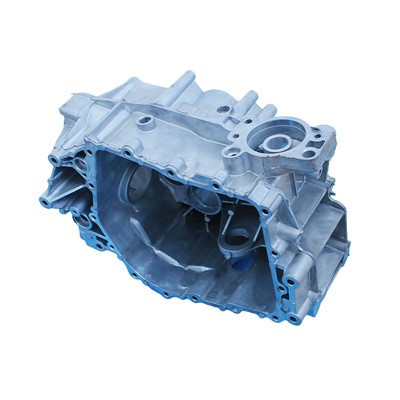

Hey there! As a supplier of Power Tools Die Casting Mold, I often get asked about the difference between hot chamber and cold chamber die casting. So, I thought I'd write this blog to break it down for you.
What's Die Casting Anyway?
Before we jump into the hot and cold chamber stuff, let's quickly go over what die casting is. Die casting is a manufacturing process where molten metal is forced into a mold cavity under high pressure. This process is super popular for making parts with high precision and good surface finish, especially in the power tools industry.
Hot Chamber Die Casting
Hot chamber die casting is like the speed demon of the die - casting world. In this process, the melting pot is an integral part of the die - casting machine. The metal, usually zinc, lead, or magnesium alloys, is melted in a furnace that's connected to the die - casting machine.
One of the biggest advantages of hot chamber die casting is its speed. Since the melting pot is right there, the metal can be quickly injected into the mold. This means you can produce a large number of parts in a relatively short time. It's great for high - volume production runs.
Another plus is that the setup is pretty simple. You don't have to transfer the molten metal from a separate furnace to the die - casting machine, which reduces the risk of the metal cooling down too much before it gets into the mold.
However, hot chamber die casting does have its limitations. The metals that can be used are restricted because the high - temperature molten metal can damage the plunger and other components of the machine. Metals with high melting points, like aluminum, are not suitable for hot chamber die casting.
Cold Chamber Die Casting
Cold chamber die casting is a bit different. In this process, the molten metal is first melted in a separate furnace. Then, it's ladled into a shot chamber (the cold chamber) of the die - casting machine. From there, a hydraulic or mechanical piston forces the metal into the mold cavity.
Cold chamber die casting is ideal for metals with high melting points, such as aluminum, copper, and brass. Since the metal is melted in a separate furnace, the die - casting machine isn't constantly exposed to high - temperature molten metal, which means it can handle these more heat - resistant metals.
The quality of the parts produced by cold chamber die casting is often very high. The slower injection process allows for better control over the filling of the mold, which can result in fewer defects and a more consistent product.
But, cold chamber die casting is generally slower than hot chamber die casting. The process of ladling the molten metal into the shot chamber and then injecting it into the mold takes more time. This makes it less suitable for extremely high - volume production runs.
Comparing the Two
Let's take a closer look at how hot chamber and cold chamber die casting stack up against each other in different aspects:
Metal Compatibility
As mentioned earlier, hot chamber die casting is mainly used for low - melting - point metals like zinc, lead, and magnesium alloys. On the other hand, cold chamber die casting can handle high - melting - point metals such as aluminum, copper, and brass. If you're making power tool parts that require the strength and durability of aluminum, cold chamber die casting is the way to go. You can learn more about Aluminum Die Casting Tooling on our website.
Production Speed
Hot chamber die casting wins hands down when it comes to production speed. The continuous melting and injection process allows for a high output rate. Cold chamber die casting, with its ladling and slower injection process, is slower but can still produce a significant number of parts.
Cost
The cost of die casting depends on several factors, including the type of metal, the complexity of the part, and the production volume. Hot chamber die casting is generally more cost - effective for high - volume production of parts made from low - melting - point metals. Cold chamber die casting may be more expensive due to the slower production speed, but it's worth it for parts made from high - melting - point metals.
Part Quality
Both processes can produce high - quality parts, but cold chamber die casting often results in better - quality parts, especially for complex shapes. The slower injection process allows for better filling of the mold, reducing the risk of porosity and other defects.
Applications in Power Tools
In the power tools industry, both hot chamber and cold chamber die casting have their place.
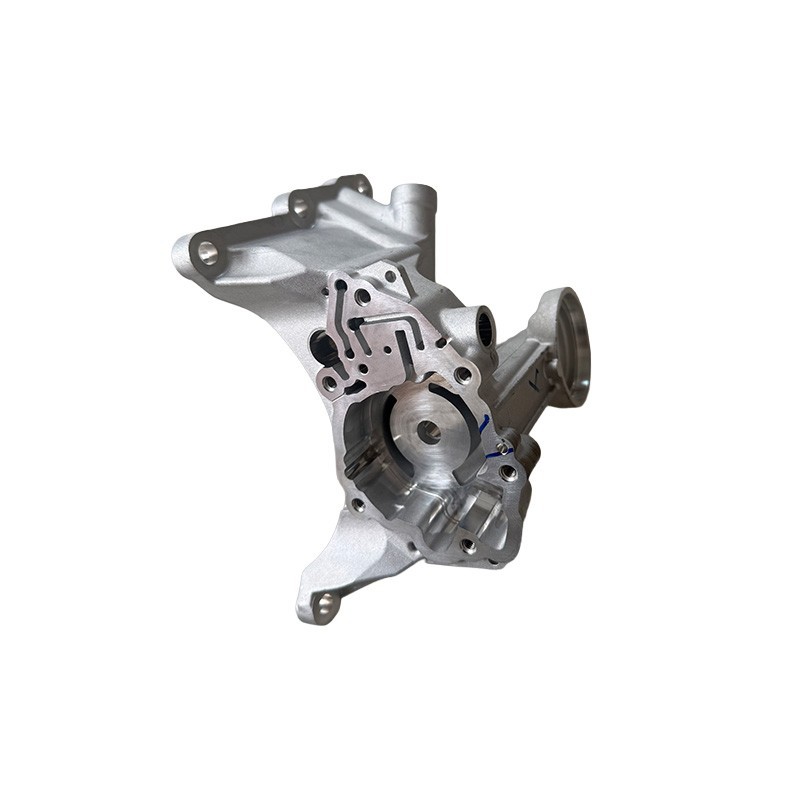
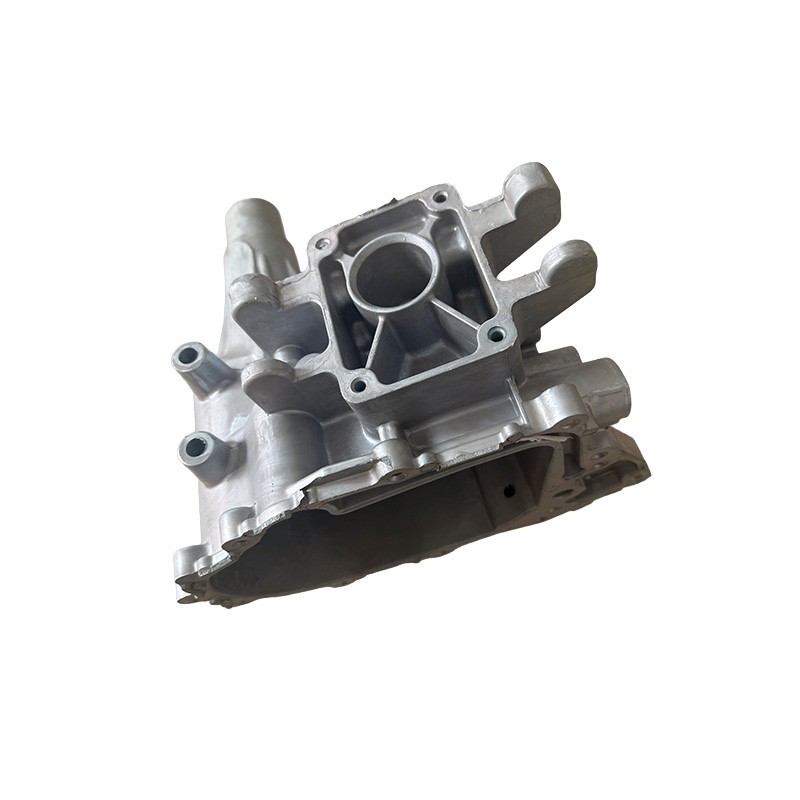
For parts that don't require high - strength metals and need to be produced in large quantities, hot chamber die casting is a great option. For example, some of the smaller, non - critical components like handles or covers can be made using hot chamber die casting with zinc alloys.
On the other hand, cold chamber die casting is used for parts that need to be strong and durable, such as motor housings and gearboxes. Aluminum is a popular choice for these parts because of its high strength - to - weight ratio. You can find more about Magnesium Aluminum Alloy Die Casting Mold on our site.
Our Services as a Supplier
As a Power Tools Die Casting Mold supplier, we have the expertise to handle both hot chamber and cold chamber die casting. Whether you need parts made from zinc alloys or high - strength aluminum, we can provide you with high - quality die - cast parts.
We also offer a range of other services, such as mold design and manufacturing. Our team of experienced engineers can work with you to design a mold that meets your specific requirements. And if you're interested in other types of die - casting molds, like Hardware Die Casting Mold, we've got you covered.
Let's Talk!
If you're in the market for power tool die - cast parts or need a custom die - casting mold, don't hesitate to reach out. We're here to help you find the best solution for your needs. Whether it's hot chamber or cold chamber die casting, we have the knowledge and experience to deliver top - notch products.
References
- "Die Casting Handbook" by J. Campbell
- "Manufacturing Engineering and Technology" by S. Kalpakjian and S. Schmid