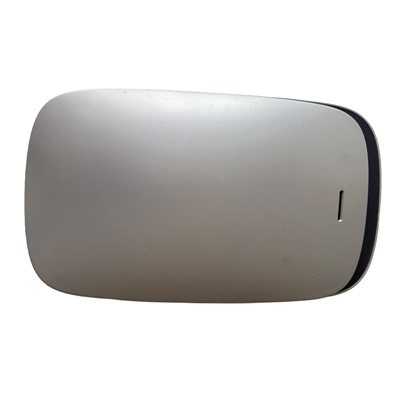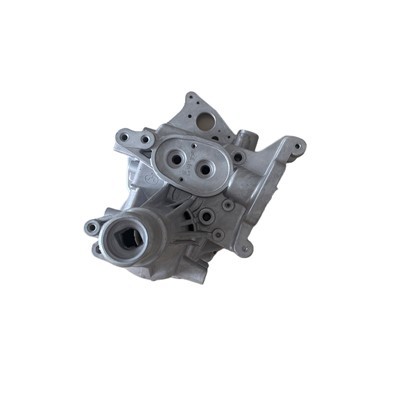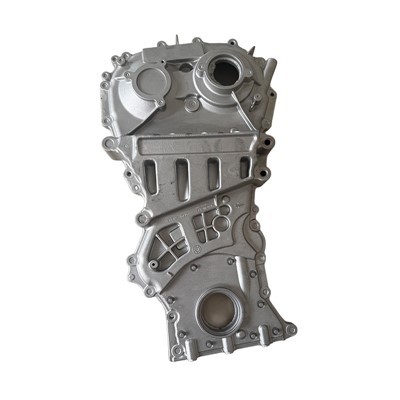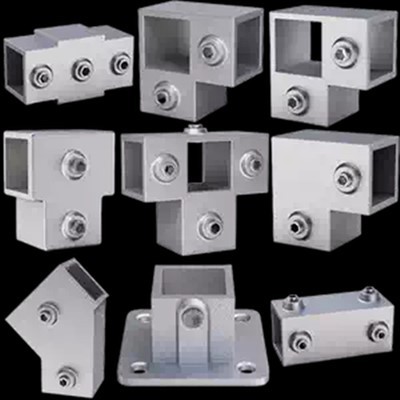

As a supplier of Hardware Die Casting Parts, I've seen firsthand how the cooling rate can make or break the structure of these parts. It's a crucial factor that often gets overlooked, but it has a massive impact on the quality and performance of the final product. Let's dive into what exactly the cooling rate does to the structure of hardware die casting parts.
How Cooling Rate Affects Grain Structure
One of the most significant impacts of the cooling rate is on the grain structure of the die - cast parts. When molten metal is poured into the die, it starts to solidify as it cools. The speed at which this cooling occurs determines the size and shape of the grains in the metal.
If the cooling rate is slow, the atoms in the molten metal have more time to arrange themselves into larger, more organized grains. These large - grained structures can be less strong and more prone to cracking. On the other hand, a fast cooling rate results in smaller, more uniform grains. Smaller grains generally mean better mechanical properties, such as increased strength, hardness, and ductility.
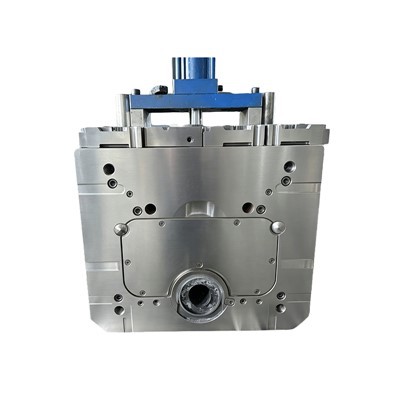
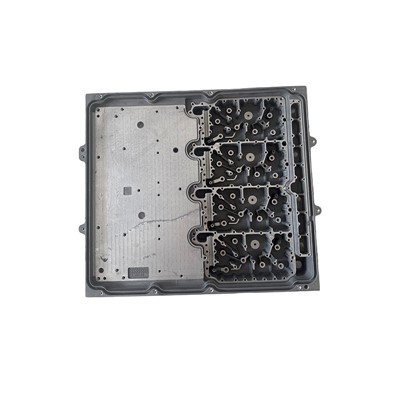
For example, in Die Cast Aluminum Mold, a fast cooling rate can create a fine - grained structure that enhances the mold's resistance to wear and tear. This is because the smaller grains provide more grain boundaries, which act as barriers to the movement of dislocations within the metal. Dislocations are defects in the crystal structure that can cause the metal to deform under stress. By impeding the movement of dislocations, the fine - grained structure makes the aluminum mold stronger and more durable.
Impact on Porosity
Another important aspect affected by the cooling rate is porosity. Porosity refers to the presence of small holes or voids in the die - cast part. These voids can weaken the part and reduce its overall quality.
A slow cooling rate allows gas bubbles to form and grow within the molten metal. As the metal solidifies, these bubbles can get trapped, creating porosity. Fast cooling, however, can minimize the formation of gas bubbles. The rapid solidification process doesn't give the gas enough time to form large bubbles, reducing the amount of porosity in the part.
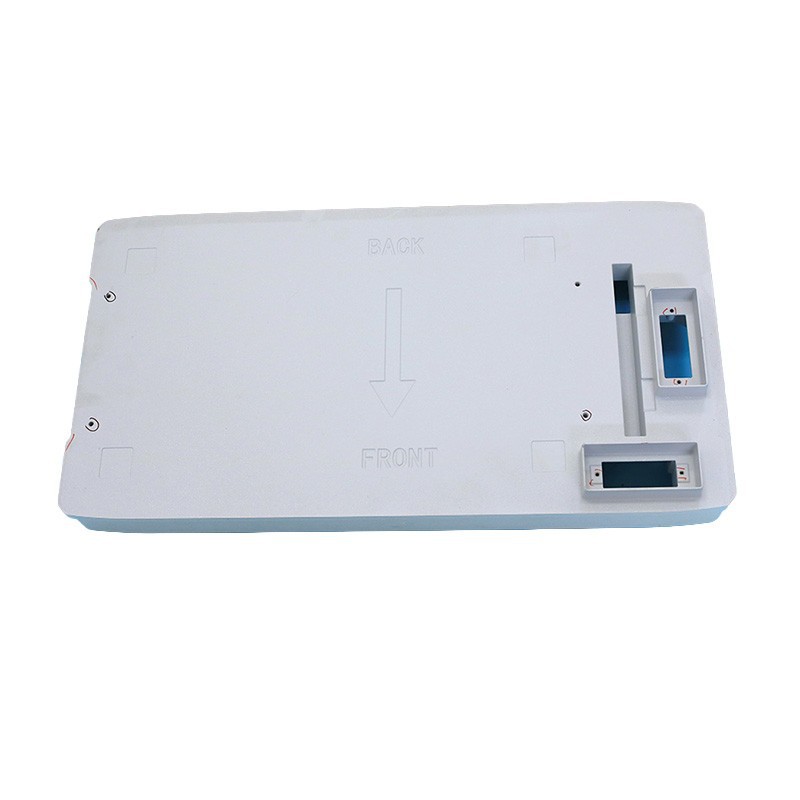
In EV Battery Housing, porosity can be a major issue. A housing with high porosity may not provide adequate protection for the battery, as it can allow moisture and contaminants to enter. By controlling the cooling rate to reduce porosity, we can ensure that the EV battery housing is more reliable and has a longer lifespan.
Residual Stress and Distortion
The cooling rate also plays a role in the development of residual stress and distortion in die - cast parts. Residual stress is the stress that remains in a material after the manufacturing process is complete. When the cooling rate is uneven, different parts of the die - cast part cool at different speeds. This can lead to the development of internal stresses that can cause the part to distort.
For instance, if one side of a part cools faster than the other, the faster - cooling side will contract more quickly, creating a bending force. Over time, this can cause the part to warp or deform. By controlling the cooling rate, we can minimize these residual stresses and ensure that the part maintains its shape and dimensions.
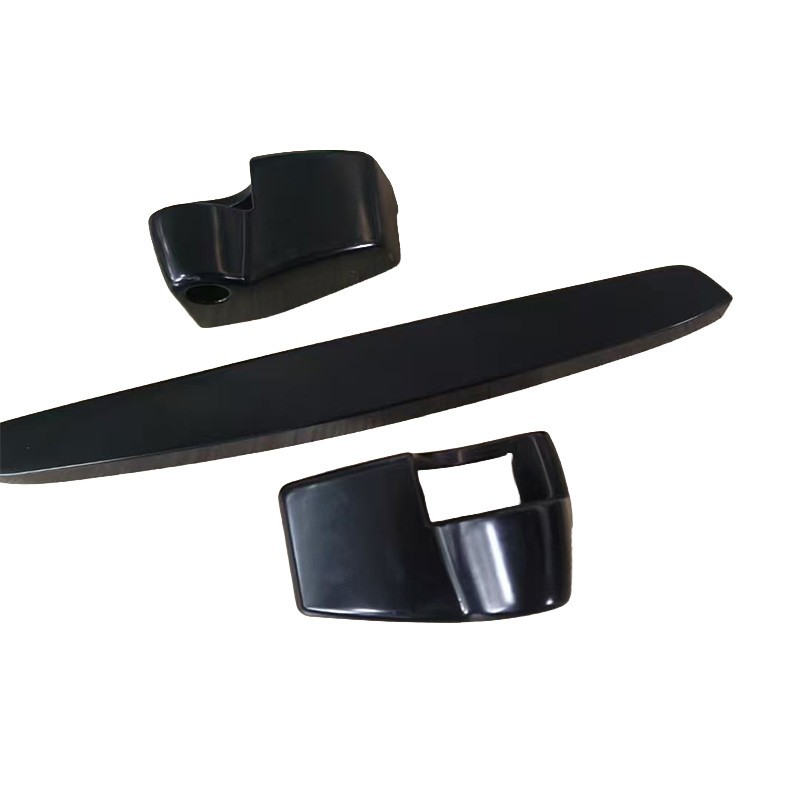
In Magnesium Die Casting Parts, magnesium is a relatively lightweight and strong metal, but it is also more prone to distortion due to its high thermal conductivity. A well - controlled cooling rate can help to manage the residual stress in magnesium die - casting parts, ensuring that they meet the required specifications.
Controlling the Cooling Rate
Controlling the cooling rate is not an easy task, but it's essential for producing high - quality hardware die - casting parts. There are several methods that can be used to control the cooling rate.
One common method is to use cooling channels in the die. These channels allow a coolant, such as water or oil, to flow through the die, removing heat from the molten metal at a controlled rate. By adjusting the flow rate and temperature of the coolant, we can control how quickly the metal cools.
Another approach is to use insulation materials around the die. Insulation can slow down the cooling rate, which may be beneficial in some cases where a slower cooling rate is desired. However, this method needs to be carefully balanced to avoid creating too much of a temperature difference within the part.
The Business Perspective
As a supplier of Hardware Die Casting Parts, understanding the impact of the cooling rate is not just about science; it's also about business. By controlling the cooling rate, we can produce parts with better quality, which means fewer defects and higher customer satisfaction.
Customers are always looking for parts that are strong, durable, and meet their specific requirements. By offering die - cast parts with optimized cooling rates, we can differentiate ourselves from the competition and attract more customers.
If you're in the market for high - quality Hardware Die Casting Parts, whether it's Die Cast Aluminum Mold, EV Battery Housing, or Magnesium Die Casting Parts, we're here to help. We have the expertise and experience to ensure that our parts are manufactured with the right cooling rate to meet your needs.
Contact us to discuss your specific requirements and start a procurement negotiation. We're confident that we can provide you with the best - quality die - casting parts at a competitive price.
References
- Campbell, J. (2003). Casting. Butterworth - Heinemann.
- Davis, J. R. (2008). Aluminum and Aluminum Alloys. ASM International.
- Carsley, E. A., & StJohn, D. H. (2014). Cast Metals Engineering. Elsevier.