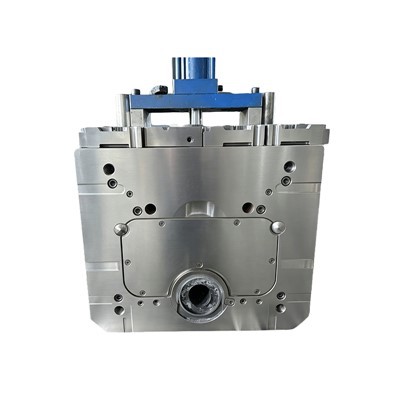
Designing die-cast parts is a core aspect of ensuring component performance and production efficiency. During the design phase, it's crucial to fully consider mechanical properties, mold processing difficulty, cooling efficiency, and subsequent machining requirements. Die-cast part design not only affects the strength and rigidity of the parts but also influences production costs and product appearance quality.
First, structural design should fully consider mechanical properties. Stress analysis of the parts is fundamental to the design. Finite element analysis (FEA) can predict the stress distribution of the parts during actual use, optimizing wall thickness and rib layout to avoid localized stress concentration that could lead to cracking or deformation. For example, the motor bracket of a washing machine needs to withstand the inertial force generated by high-speed rotation; therefore, the design should include appropriate ribs while ensuring uniform wall thickness to prevent shrinkage cavities or porosity.
Second, the wall thickness design of die-cast parts is critical. Excessively thick walls are prone to shrinkage and porosity, while excessively thin walls affect strength and rigidity. Typically, the wall thickness of aluminum alloy die-cast parts for home appliances is controlled within the range of 2–5 mm, while zinc alloy parts can be designed to be even thinner. Uniform wall thickness not only improves mold life but also reduces subsequent processing and material waste.
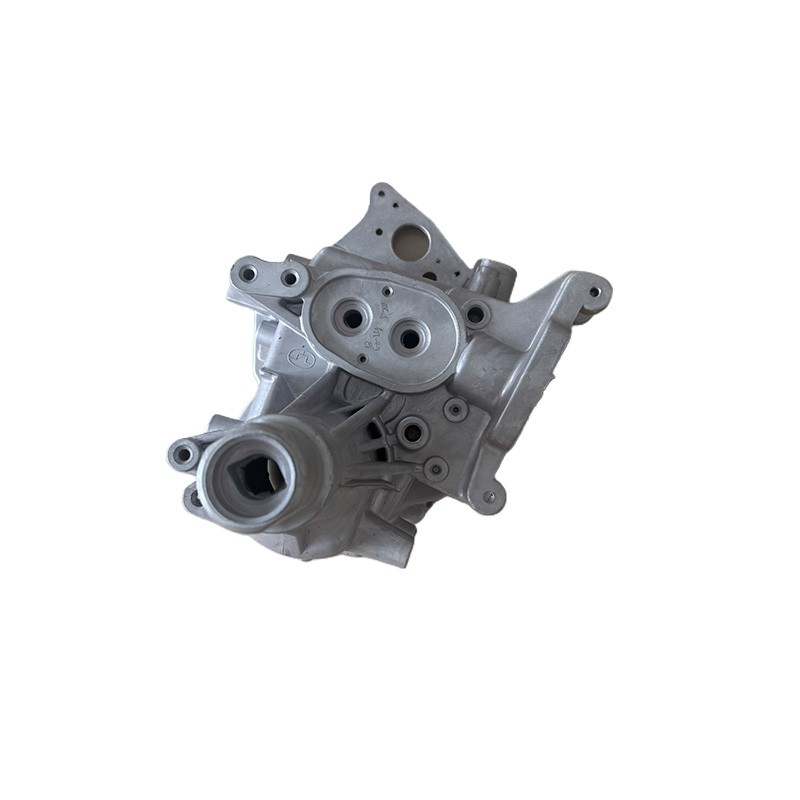
Mold design is an important extension of die casting design. A well-designed gating system, vents, and cooling channels ensure uniform flow and rapid cooling of the molten metal, preventing defects. Furthermore, to facilitate demolding, attention must be paid to the draft angle and fillet treatment of the parts during design, reducing wear and improving production efficiency.
Functional design is also receiving increasing attention. For example, die castings for air conditioners with heat dissipation requirements need to be designed with heat dissipation fins to improve heat exchange efficiency; handles and panels for small household appliances need to balance aesthetics and tactile feel, improving the user experience through curved surfaces and surface treatments.