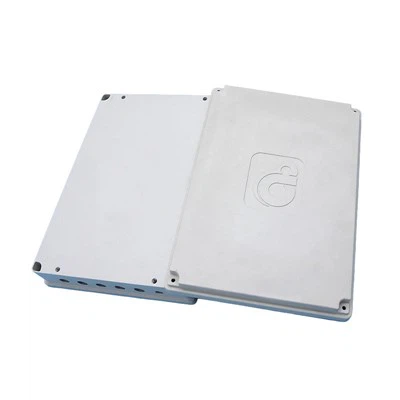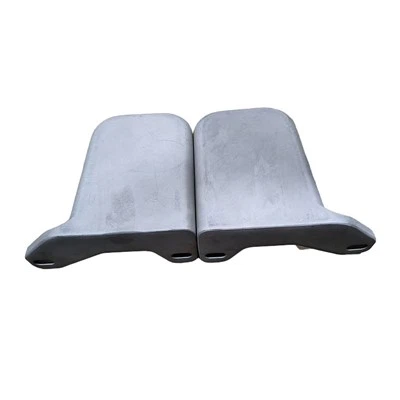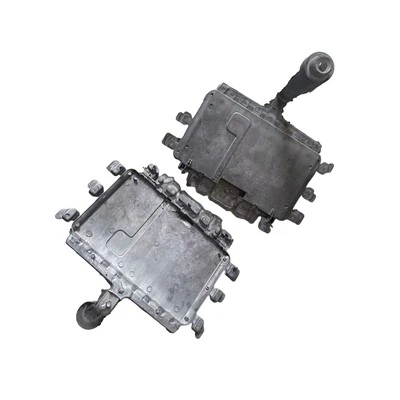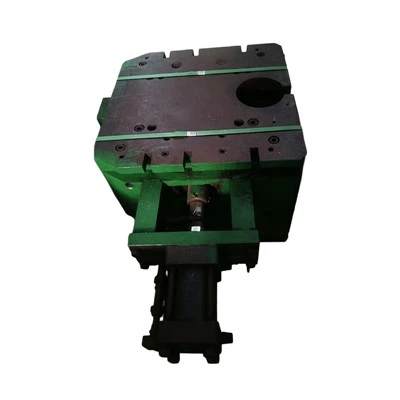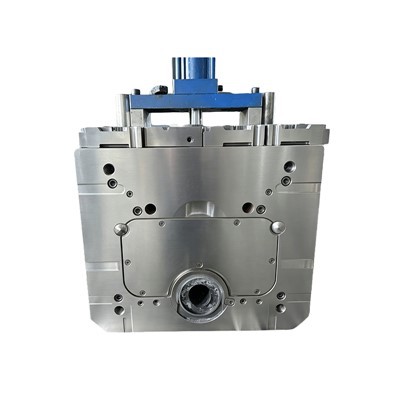
Die casting is an indispensable and crucial component in modern home appliances, and its manufacturing process directly impacts product quality and lifespan. Die casting is a manufacturing method that uses high pressure to inject molten metal into a precision mold, where it cools and solidifies. It is widely used in the production of components such as appliance casings, radiators, and brackets. Compared to traditional casting processes, die casting offers advantages such as high forming precision, good surface finish, and high production efficiency, thus gaining widespread application in the home appliance industry.
The core steps of the die casting process include metal melting, injection, cooling and solidification, and demolding. First, a suitable metal material is selected and melted to a liquid state, such as aluminum alloys, zinc alloys, or magnesium alloys, which possess good fluidity and mechanical properties. Then, the molten metal is rapidly injected into the mold under high pressure. The mold typically has a complex channel design to ensure that the metal evenly fills every corner. After injection, the metal rapidly cools and solidifies to form the part, which is then removed from the mold using mechanical or automated equipment for subsequent processing.

In the home appliance industry, die castings require high precision. For example, die-cast aluminum alloy parts for air conditioners must not only have an aesthetically pleasing appearance but also meet requirements for heat dissipation and structural strength. Therefore, mold design is crucial. High-precision molds can reduce burrs and shrinkage cavities, improving product consistency and stability. Furthermore, modern die-casting processes incorporate automation and intelligent control technologies, achieving micron-level dimensional accuracy through precise control of temperature, pressure, and injection speed, thus meeting the increasingly stringent performance requirements of home appliances.