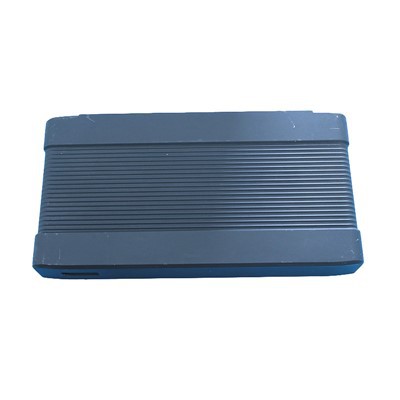

Hey there! I'm a supplier of Security Aluminum Housing, and I often get asked about how to secure these housings to a surface. In this blog, I'll share some tips and methods based on my experience in the industry.
Why Secure a Security Aluminum Housing?
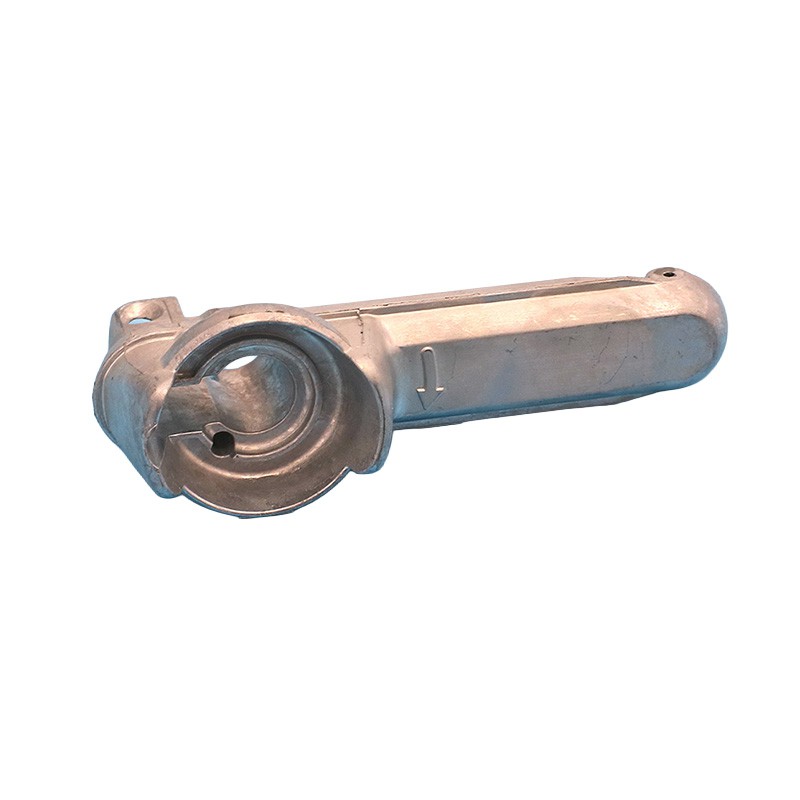
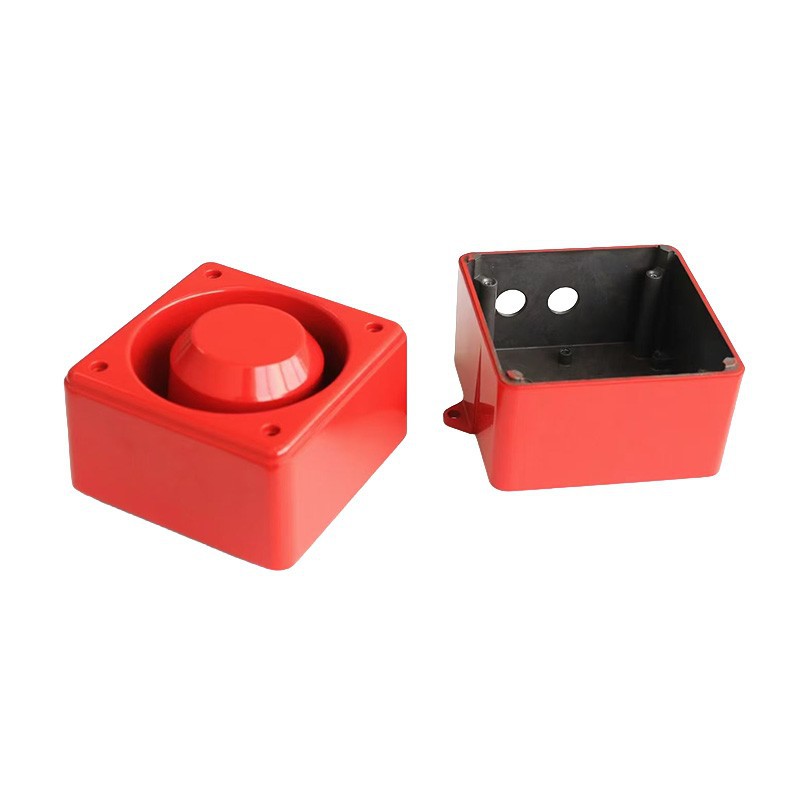
First off, let's talk about why it's important to secure a security aluminum housing properly. These housings are used to protect sensitive equipment, like electronic devices or security cameras. If they're not securely attached to a surface, they can be easily tampered with or even knocked off, which defeats the purpose of having a security housing in the first place.
Methods of Securing a Security Aluminum Housing
Using Screws
One of the most common methods is using screws. It's a simple and effective way to attach the housing to a surface. You'll need to drill holes in the surface and the housing, making sure they align properly. Then, insert the screws and tighten them using a screwdriver. Make sure not to overtighten, as this can damage the housing or the surface.
When choosing screws, it's important to select the right size and type. For aluminum housings, stainless - steel screws are a good choice because they're resistant to corrosion. You can find these screws at your local hardware store or order them online.
Adhesive
Another option is to use adhesive. There are many types of adhesives available on the market, but for securing an aluminum housing, you'll want to choose one that's strong and can withstand different environmental conditions. Epoxy adhesives are a popular choice as they provide a strong bond.
Before applying the adhesive, make sure the surface and the housing are clean and dry. Apply the adhesive evenly on the surface where you want to attach the housing, and then press the housing firmly onto it. Let the adhesive dry according to the manufacturer's instructions.
Rivets
Rivets are also a great way to secure the housing. They work well for both thin and thick surfaces. To use rivets, you'll need a rivet gun. First, drill holes in the housing and the surface. Then, insert the rivet into the hole and use the rivet gun to deform the rivet, creating a strong connection.
Rivets come in different sizes and materials. Aluminum rivets are a good option as they match the material of the housing and are lightweight.
Considerations for Different Surfaces
Wall Mounting
When mounting the security aluminum housing on a wall, you need to consider the type of wall. If it's a drywall, you'll need to use wall anchors along with screws to ensure a secure attachment. For a concrete wall, you'll need to use masonry screws or a hammer drill to create holes for the screws or rivets.
Ceiling Mounting
Mounting on a ceiling is a bit more challenging. You'll need to make sure the housing is properly balanced and securely attached. You can use ceiling brackets or hangers, depending on the design of the housing.
Our Products and Related Links
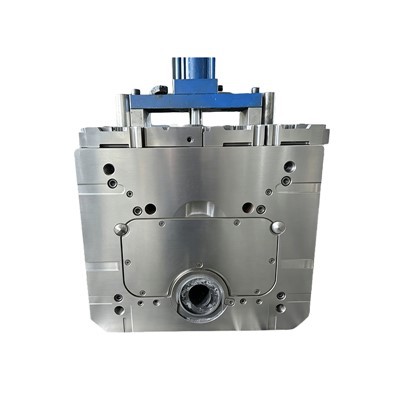
As a supplier of Security Aluminum Housing, we also offer a range of related products. Check out our Aluminum LED Housing, which is perfect for lighting applications. We also have Hardware Die Casting Parts that can be used in various projects. And if you're interested in the manufacturing process, take a look at our Die Cast Aluminum Mold.
Contact Us for Purchase and Negotiation
If you're interested in our Security Aluminum Housing or any of our other products, we'd love to hear from you. Whether you're a small business looking for a few units or a large company in need of bulk orders, we can provide you with high - quality products at competitive prices. Reach out to us to start the purchasing and negotiation process.
References
- "Handbook of Aluminum Alloys" by John R. Davis
- "Die Casting Design and Technology" by James A. Schey
So, that's all about how to secure a security aluminum housing to a surface. I hope these tips are helpful to you. If you have any more questions, feel free to ask!