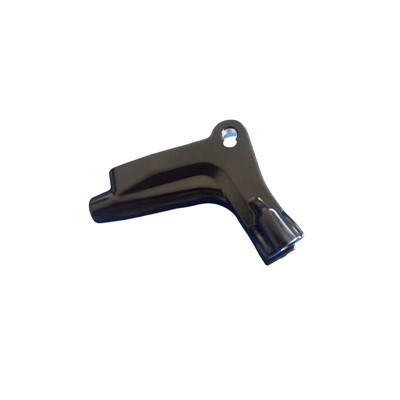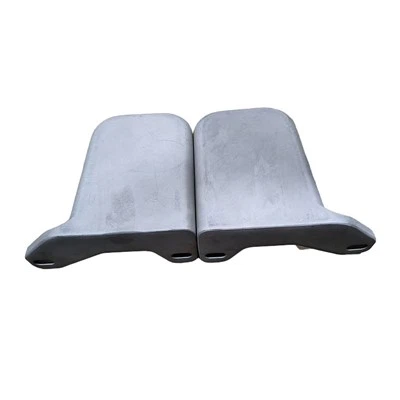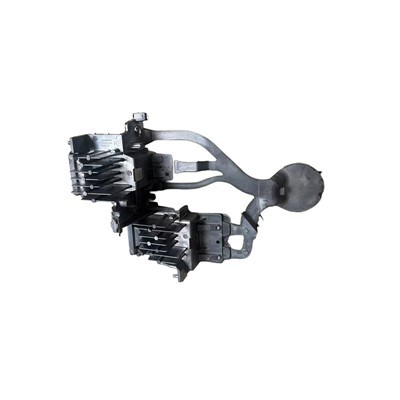

Hey there! As a supplier of Aluminum Seat Brackets, I often get asked about the torsional strength of these parts. So, I thought I'd dive into what torsional strength is and why it matters for our aluminum seat brackets.
What is Torsional Strength?
Torsional strength is the ability of a material or a component to resist twisting forces. When you think about a seat bracket, it's constantly subjected to various forces, including twisting. For example, when a person sits on a seat and shifts their weight, or when the vehicle (if it's a vehicle seat bracket) goes around a corner, the bracket experiences torsional forces.
Let's break it down a bit more. Torsion is a type of stress that occurs when a force is applied to rotate an object around its axis. In the case of an aluminum seat bracket, the axis is usually the central part of the bracket that connects it to the seat or the base. The torsional strength determines how much of this twisting force the bracket can handle before it starts to deform or break.
Why is Torsional Strength Important for Aluminum Seat Brackets?
Safety is the number one reason. A seat bracket with low torsional strength can fail under normal use or in an emergency situation. Imagine if a seat bracket in a car were to break due to excessive torsional stress during a sharp turn. It could lead to the seat detaching, putting the passengers at risk.
Durability is another key factor. A bracket with high torsional strength will last longer. It can withstand the repeated twisting forces over time without losing its shape or integrity. This means less maintenance and replacement for our customers, which is a win - win situation.
Factors Affecting the Torsional Strength of Aluminum Seat Brackets
Material Properties
The type of aluminum alloy used in the seat bracket plays a crucial role. Different alloys have different mechanical properties, including torsional strength. For example, some alloys are more ductile, which means they can deform more before breaking. Others are stronger and more rigid, providing better resistance to torsional forces.
Design
The design of the seat bracket also impacts its torsional strength. A well - designed bracket will distribute the torsional forces evenly across its structure. For instance, brackets with a wider base or additional support ribs can handle more twisting stress compared to a simple, thin - walled design.
Manufacturing Process
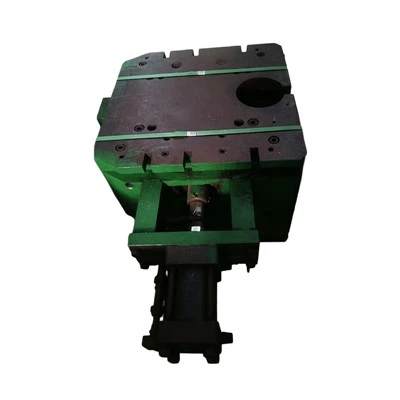
How the seat bracket is manufactured can affect its torsional strength. Processes like die - casting are commonly used to make aluminum seat brackets. Die - casting can produce parts with high precision and good mechanical properties. However, the quality of the die - casting process, including factors like the temperature, pressure, and cooling rate, can influence the final torsional strength of the bracket.
Measuring Torsional Strength
There are several ways to measure the torsional strength of an aluminum seat bracket. One common method is the torsion test. In this test, a sample of the bracket is fixed at one end and a twisting force is applied at the other end. The amount of torque required to cause a certain amount of deformation or failure is measured.
The results of these tests are usually reported in units of torque, such as Newton - meters (N·m). By conducting these tests, we can ensure that our seat brackets meet the required torsional strength standards.
Our Aluminum Seat Brackets and Torsional Strength
At our company, we take torsional strength seriously. We use high - quality aluminum alloys that are known for their excellent mechanical properties. Our design team works hard to create seat brackets that are not only functional but also strong enough to withstand torsional forces.
We also have a strict quality control process in place. Every seat bracket goes through a series of tests, including torsion tests, to ensure that it meets our high standards. We are committed to providing our customers with seat brackets that are safe, durable, and reliable.
Related Products
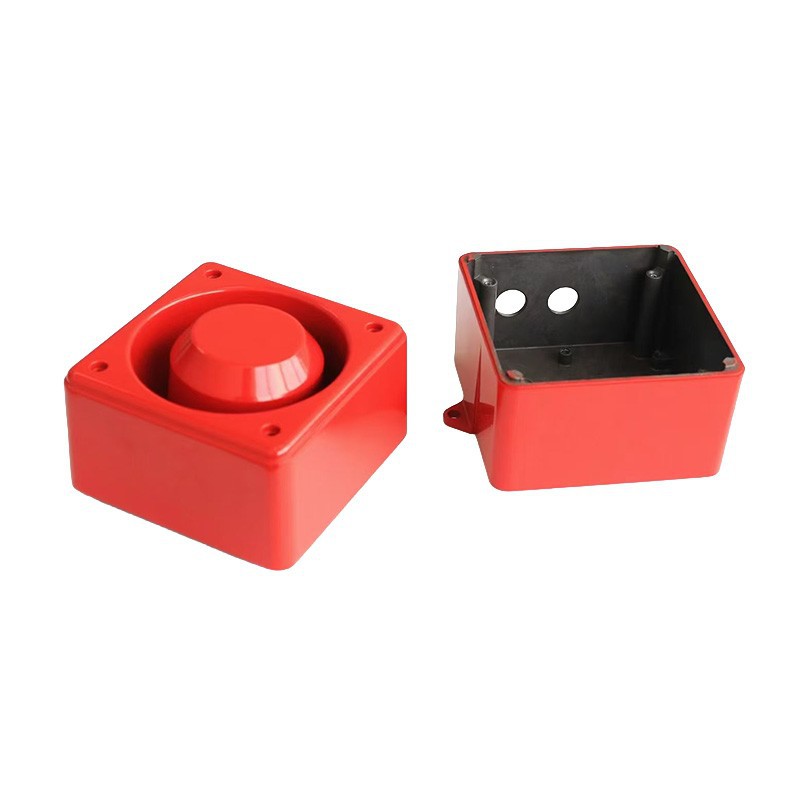
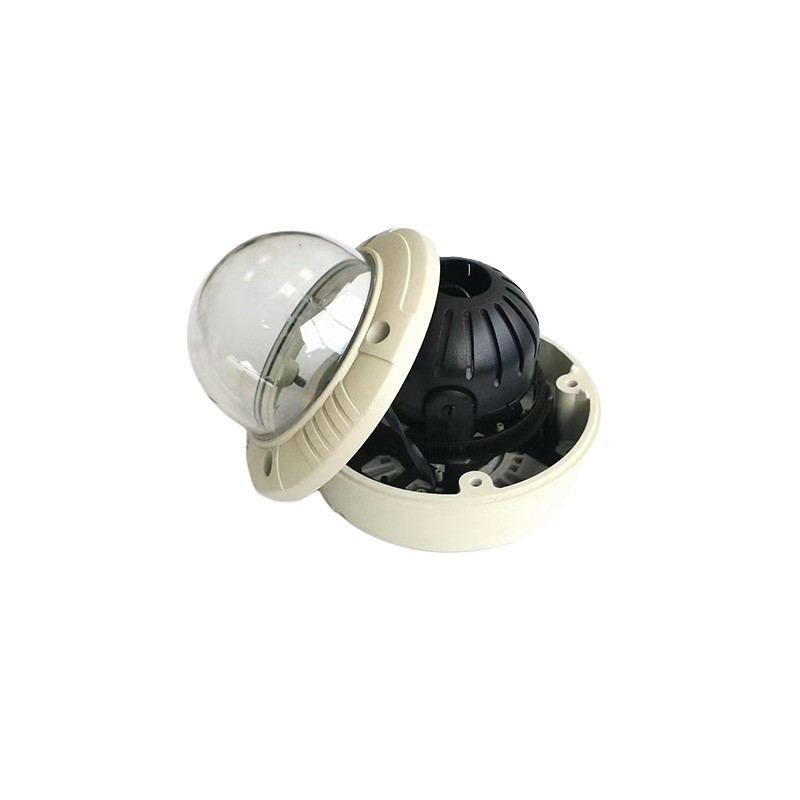
If you're interested in other aluminum die - casting products, we also offer Security Aluminum Housing, Precision Die Casting Parts, and Hardware Die Casting Parts. These products are also made with the same attention to quality and performance as our aluminum seat brackets.
Contact Us for Procurement
If you're in the market for high - quality aluminum seat brackets or any of our other products, we'd love to hear from you. Whether you're a small business or a large corporation, we can provide you with the right products at competitive prices. Don't hesitate to reach out and start a conversation about your procurement needs.
References
- Callister, W. D., & Rethwisch, D. G. (2018). Materials Science and Engineering: An Introduction. Wiley.
- Ashby, M. F., & Jones, D. R. H. (2012). Engineering Materials 1: An Introduction to Properties, Applications and Design. Butterworth - Heinemann.