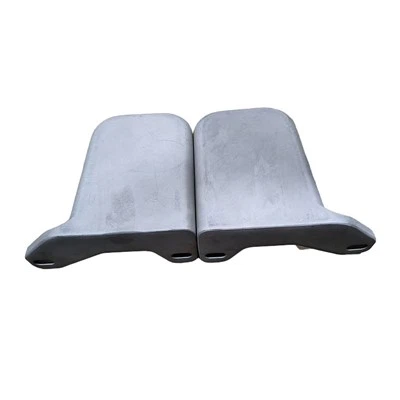

Hey there! As a supplier of Medical Device Die Casting Mold, I've seen firsthand the importance of optimizing the design of these molds. In this blog, I'll share some tips and tricks on how to do just that.
Understanding the Basics of Medical Device Die Casting Molds
Before we dive into optimization, let's quickly go over what a medical device die casting mold is. Die casting is a manufacturing process where molten metal is injected into a mold cavity under high pressure. The mold is typically made of steel and is designed to create precise and complex shapes. Medical device die casting molds are used to produce parts for various medical applications, such as surgical instruments, diagnostic equipment, and implantable devices.
Key Considerations for Design Optimization
Material Selection
The choice of material for the mold is crucial. For medical device die casting molds, high-quality tool steels are often used. These steels offer excellent strength, hardness, and wear resistance, which are essential for withstanding the high pressures and temperatures involved in the die casting process. Additionally, the material should be corrosion-resistant to ensure the longevity of the mold, especially when used in medical applications where cleanliness and sterility are paramount.
Part Geometry
The geometry of the medical device part being cast plays a significant role in mold design. Complex geometries may require more intricate mold designs, which can increase the cost and manufacturing time. It's important to work closely with the design team to simplify the part geometry whenever possible without sacrificing functionality. This can involve reducing undercuts, minimizing wall thickness variations, and ensuring proper draft angles for easy part ejection.
Cooling System Design
A well-designed cooling system is essential for optimizing the die casting process. The cooling system helps to control the temperature of the mold, which in turn affects the quality of the cast parts. Proper cooling can reduce cycle times, prevent defects such as shrinkage and porosity, and improve the overall surface finish of the parts. The cooling channels should be strategically placed to ensure uniform cooling throughout the mold.
Gate and Runner Design
The gate and runner system is responsible for directing the molten metal into the mold cavity. The design of the gate and runner can have a significant impact on the filling pattern, flow rate, and quality of the cast parts. A well-designed gate and runner system should minimize turbulence, reduce the likelihood of air entrapment, and ensure even distribution of the molten metal.
Steps to Optimize the Design
Conduct a Thorough Analysis
Before starting the design process, it's important to conduct a detailed analysis of the medical device part. This includes understanding the functional requirements, material properties, and manufacturing constraints. By analyzing the part thoroughly, you can identify potential design issues early on and make informed decisions to optimize the mold design.
Use Simulation Software
Simulation software can be a powerful tool for optimizing the design of a medical device die casting mold. These software programs allow you to simulate the die casting process, including the filling, solidification, and cooling stages. By running simulations, you can identify potential problems such as air entrapment, hot spots, and uneven filling, and make adjustments to the mold design accordingly.
Collaborate with the Manufacturing Team
Effective communication and collaboration between the design team and the manufacturing team are essential for optimizing the mold design. The manufacturing team has valuable insights into the die casting process and can provide feedback on the feasibility of the design. By working together, you can ensure that the mold design is not only functional but also manufacturable.
Test and Iterate
Once the mold design is complete, it's important to test the mold and make any necessary adjustments. This may involve conducting trial runs, inspecting the cast parts for defects, and analyzing the results. Based on the feedback from the testing phase, you can iterate on the design to improve its performance and quality.
Other Types of Die Casting Molds
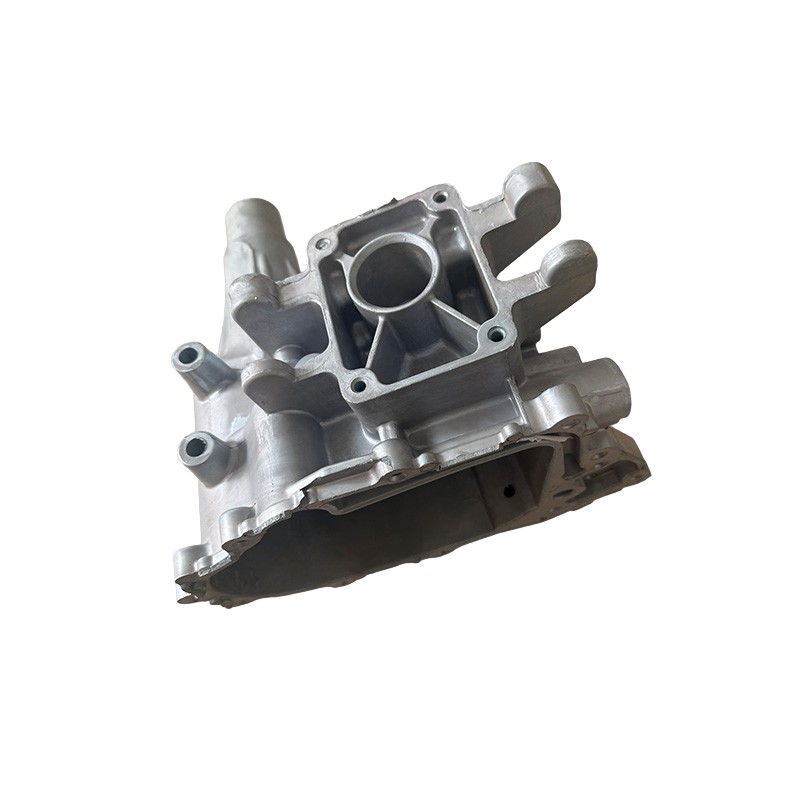
In addition to medical device die casting molds, we also offer Power Tools Die Casting Mold and Hardware Die Casting Mold. These molds are designed to meet the specific requirements of the power tools and hardware industries. Whether you need a mold for a small component or a large, complex part, we have the expertise and experience to deliver high-quality solutions.
Conclusion
Optimizing the design of a medical device die casting mold is a complex process that requires careful consideration of various factors. By understanding the basics of die casting, conducting a thorough analysis, using simulation software, collaborating with the manufacturing team, and testing and iterating, you can create a mold that produces high-quality medical device parts efficiently and cost-effectively.
If you're in the market for a medical device die casting mold or any other type of die casting mold, we'd love to hear from you. Our team of experts is ready to work with you to understand your needs and provide customized solutions. Contact us today to start the conversation!
References
- Die Casting Handbook, by Jack T. Black
- Metal Casting Design and Purification, by John Campbell