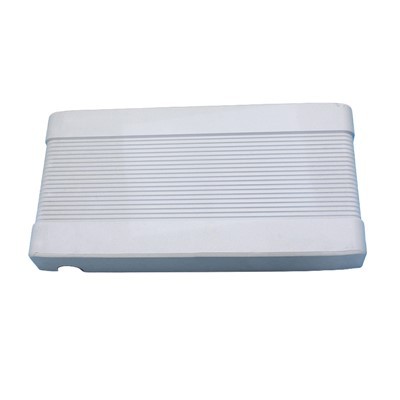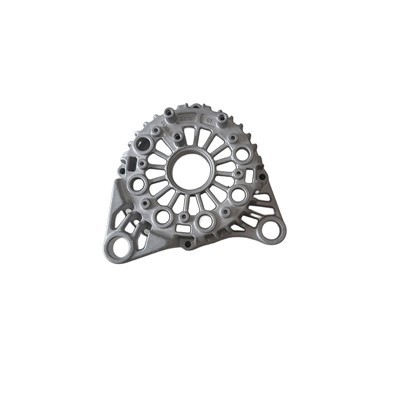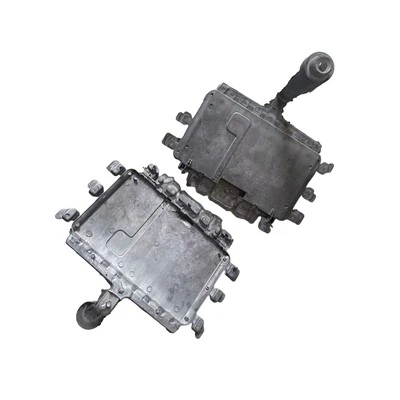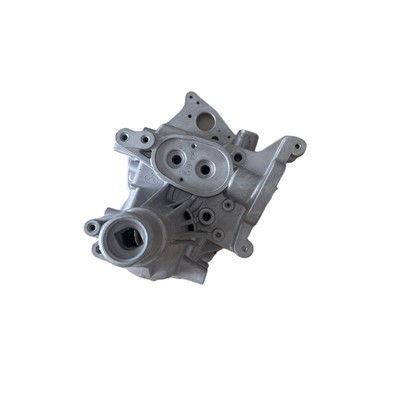

As a supplier of Magnesium Die Casting Parts, I've witnessed firsthand the profound impact that alloying elements have on the performance and quality of these parts. Magnesium die casting is a popular manufacturing process due to its ability to produce complex shapes with high precision and excellent mechanical properties. However, the addition of alloying elements can significantly alter these properties, making it crucial to understand their effects.
1. Common Alloying Elements in Magnesium Die Casting
The most common alloying elements used in magnesium die casting include aluminum (Al), zinc (Zn), manganese (Mn), and rare - earth elements (RE). Each of these elements brings unique benefits to the magnesium alloy.
Aluminum (Al)
Aluminum is one of the most widely used alloying elements in magnesium die casting. It enhances the strength and hardness of magnesium alloys. When aluminum is added to magnesium, it forms intermetallic compounds such as Mg₁₇Al₁₂. These compounds contribute to the strengthening of the alloy through precipitation hardening. For example, AZ91D, a popular magnesium - aluminum - zinc alloy, contains about 9% aluminum. This alloy offers good castability, high strength, and excellent corrosion resistance, making it suitable for a wide range of applications, from automotive components to consumer electronics.
Zinc (Zn)
Zinc is another important alloying element. It improves the fluidity of the molten magnesium during the die - casting process, which is essential for filling complex molds. Zinc also enhances the mechanical properties of the alloy, such as ductility and impact strength. In the AZ series of magnesium alloys, zinc is present in small amounts (usually around 1%). The combination of aluminum and zinc in these alloys results in a balance of strength, castability, and corrosion resistance.
Manganese (Mn)
Manganese is added to magnesium alloys primarily to improve their corrosion resistance. It forms a protective oxide layer on the surface of the alloy, which helps prevent the formation of corrosion products. Manganese also refines the grain structure of the alloy, which can enhance its mechanical properties. In some magnesium alloys, such as AM60B, manganese is present in concentrations of around 0.2 - 0.5%.
Rare - Earth Elements (RE)
Rare - earth elements, such as neodymium (Nd), cerium (Ce), and yttrium (Y), are increasingly being used in magnesium die casting. These elements can significantly improve the high - temperature strength, creep resistance, and oxidation resistance of magnesium alloys. For example, the addition of neodymium to magnesium alloys can enhance their mechanical properties at elevated temperatures, making them suitable for applications in the automotive and aerospace industries.
2. Effects on Mechanical Properties
The addition of alloying elements has a direct impact on the mechanical properties of magnesium die - casting parts.

Strength
As mentioned earlier, aluminum and zinc contribute to the strength of magnesium alloys. The formation of intermetallic compounds through precipitation hardening increases the yield strength and ultimate tensile strength of the alloy. For example, the AZ91D alloy has a yield strength of around 160 MPa and an ultimate tensile strength of about 230 MPa. The addition of rare - earth elements can further enhance the strength, especially at high temperatures.
Ductility
While some alloying elements, such as aluminum, can reduce the ductility of magnesium alloys, others like zinc can improve it. The balance between strength and ductility is crucial in many applications. For instance, in automotive parts, a certain level of ductility is required to absorb energy during a collision.
Hardness
Alloying elements can increase the hardness of magnesium die - casting parts. Aluminum and manganese, in particular, contribute to the formation of hard intermetallic phases, which enhance the wear resistance of the parts. This is beneficial in applications where the parts are subject to friction and abrasion, such as in engine components.
3. Effects on Castability
The castability of magnesium die - casting parts is also affected by alloying elements.
Fluidity
Zinc is known to improve the fluidity of molten magnesium. This is important because it allows the molten metal to flow easily into the mold cavities, ensuring the production of complex - shaped parts with high precision. Good fluidity also reduces the likelihood of defects such as porosity and cold shuts.
Shrinkage
Alloying elements can influence the shrinkage behavior of magnesium alloys during solidification. For example, the addition of aluminum can increase the shrinkage rate, which needs to be carefully controlled to avoid the formation of shrinkage cavities in the die - casting parts.
4. Effects on Corrosion Resistance
Corrosion resistance is a critical property for magnesium die - casting parts, especially in applications where they are exposed to harsh environments.
Manganese and Rare - Earth Elements
Manganese and rare - earth elements play a significant role in improving the corrosion resistance of magnesium alloys. Manganese forms a protective oxide layer on the surface of the alloy, while rare - earth elements can enhance the passivation of the alloy, making it more resistant to corrosion. For example, magnesium alloys containing rare - earth elements have been shown to have better corrosion resistance in salt - spray tests compared to alloys without these elements.
5. Applications of Magnesium Die - Casting Parts with Different Alloying Elements
The unique properties imparted by alloying elements make magnesium die - casting parts suitable for a wide range of applications.
Automotive Industry
In the automotive industry, magnesium die - casting parts are used in various components, such as engine blocks, transmission cases, and steering wheels. Alloys like AZ91D are popular due to their good strength - to - weight ratio and corrosion resistance. The addition of alloying elements allows these parts to meet the high - performance requirements of modern vehicles.
Consumer Electronics
Magnesium die - casting parts are also widely used in consumer electronics, such as laptops, smartphones, and cameras. The lightweight and high - strength properties of magnesium alloys make them ideal for these applications. For example, the use of magnesium alloys in laptop casings can reduce the weight of the device while maintaining its structural integrity.
Aerospace Industry
In the aerospace industry, magnesium die - casting parts are used in components that require high strength and low weight. Alloys with rare - earth elements are particularly suitable for this industry due to their excellent high - temperature properties.
6. Our Offerings as a Magnesium Die - Casting Parts Supplier
As a supplier of Magnesium Die Casting Parts, we offer a wide range of products with different alloying elements to meet the diverse needs of our customers. Our products are manufactured using advanced Die Casting Machining techniques to ensure high precision and quality. We also have experience in producing Aluminum Robot Parts and EV Battery Housing, which are in high demand in the market.
If you are looking for high - quality magnesium die - casting parts, we are here to provide you with the best solutions. Our team of experts can help you select the most suitable alloying elements for your specific application and ensure that the parts meet your requirements. We are committed to providing excellent customer service and delivering products on time.
Contact us today to discuss your procurement needs and start a fruitful business partnership.
References
- "Magnesium Alloys and Their Applications" by Karl U. Kainer
- "Die Casting: Design, Materials, Process" by J. Campbell
- "Corrosion and Surface Treatment of Magnesium Alloys" by A. Atrens, et al.