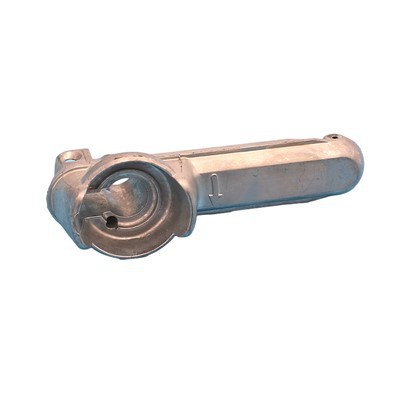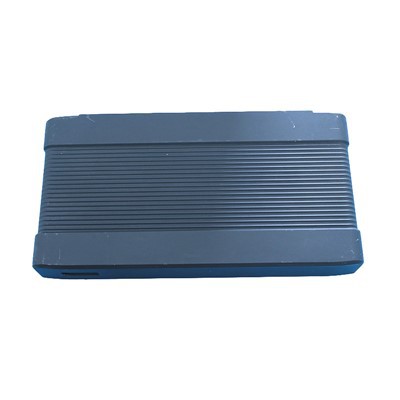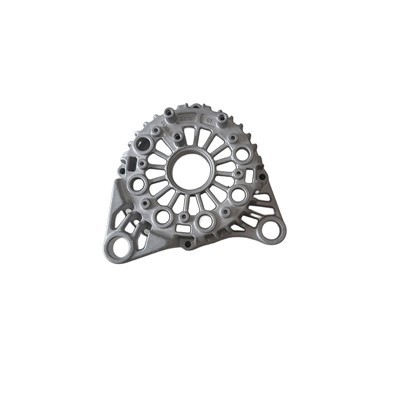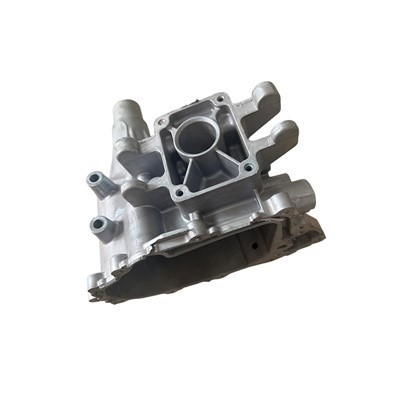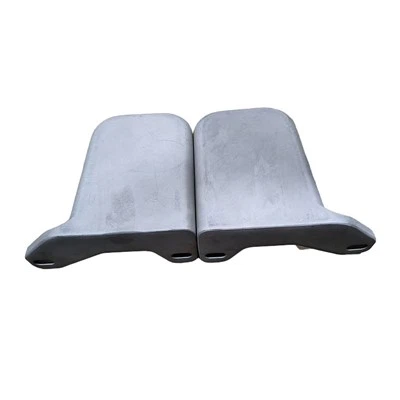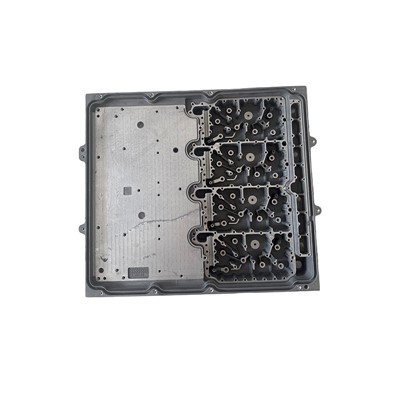

Hey there, classic car enthusiasts! As a supplier of Aluminum Radiator Housing, I've had the pleasure of working with many folks who are passionate about restoring and maintaining their classic rides. Today, I want to chat about the installation requirements for an aluminum radiator housing in a classic car.
Compatibility with the Classic Car Model
First off, compatibility is key. Every classic car model has its own unique specifications when it comes to the radiator housing. You can't just slap any old aluminum radiator housing onto your classic car and expect it to work. You need to make sure that the housing you choose is designed to fit your specific make and model.
For example, if you have a 1965 Ford Mustang, you'll need a radiator housing that is specifically made for that year and model. This means checking the dimensions, the mounting points, and the overall design of the housing. You don't want to end up with a housing that is too big or too small, or one that doesn't line up with the existing mounting holes in your car.
To ensure compatibility, it's a good idea to do some research. You can look at the original factory specifications for your car, or you can consult with a classic car expert. At our company, we have a team of experts who can help you find the right aluminum radiator housing for your classic car. We've got a wide range of products that are designed to fit various makes and models, so you're sure to find something that works for you.
Cooling System Requirements
Another important factor to consider is the cooling system requirements of your classic car. The radiator housing plays a crucial role in the cooling system, as it helps to direct the flow of coolant through the radiator and keep the engine at the right temperature.
When installing an aluminum radiator housing, you need to make sure that it is compatible with the rest of your cooling system. This includes the radiator itself, the hoses, the water pump, and the thermostat. You want to ensure that the housing allows for proper coolant flow and that it doesn't restrict the performance of the cooling system.
For instance, if your classic car has a high-performance engine, you may need a radiator housing that is designed to handle a larger volume of coolant. This could mean choosing a housing with a larger capacity or one that has a more efficient design. On the other hand, if your car has a stock engine, a standard radiator housing may be sufficient.
It's also important to consider the type of coolant that you're using. Some coolants are more corrosive than others, and they can cause damage to the aluminum radiator housing over time. Make sure to use a coolant that is compatible with aluminum and that is recommended for your classic car.
Mounting and Installation
Once you've found the right aluminum radiator housing for your classic car, it's time to install it. The mounting and installation process can vary depending on the make and model of your car, but there are some general steps that you can follow.
First, you'll need to remove the old radiator housing. This usually involves disconnecting the hoses, removing the mounting bolts, and carefully lifting the housing out of the car. Make sure to drain the coolant before you start, and be careful not to spill any on the ground.
Next, you'll need to prepare the new radiator housing for installation. This may involve cleaning the mounting surfaces, applying a sealant, and checking the alignment of the housing. You'll also need to install any necessary gaskets or O-rings to ensure a proper seal.
Once the new housing is ready, you can carefully lower it into place and secure it with the mounting bolts. Make sure to tighten the bolts evenly to prevent any leaks. Then, you can reconnect the hoses and refill the coolant.
It's a good idea to test the cooling system after the installation to make sure that everything is working properly. Start the engine and let it run for a few minutes, and check for any leaks or unusual noises. If you notice any problems, you may need to make some adjustments or consult with a professional.
Additional Considerations
In addition to the compatibility, cooling system requirements, and mounting and installation, there are a few other things to consider when installing an aluminum radiator housing in a classic car.
One important consideration is the finish of the housing. Aluminum radiator housings can come in a variety of finishes, including polished, anodized, and powder-coated. The finish you choose will depend on your personal preference and the overall look of your classic car. A polished finish can give your car a sleek and shiny appearance, while an anodized or powder-coated finish can provide additional protection against corrosion.
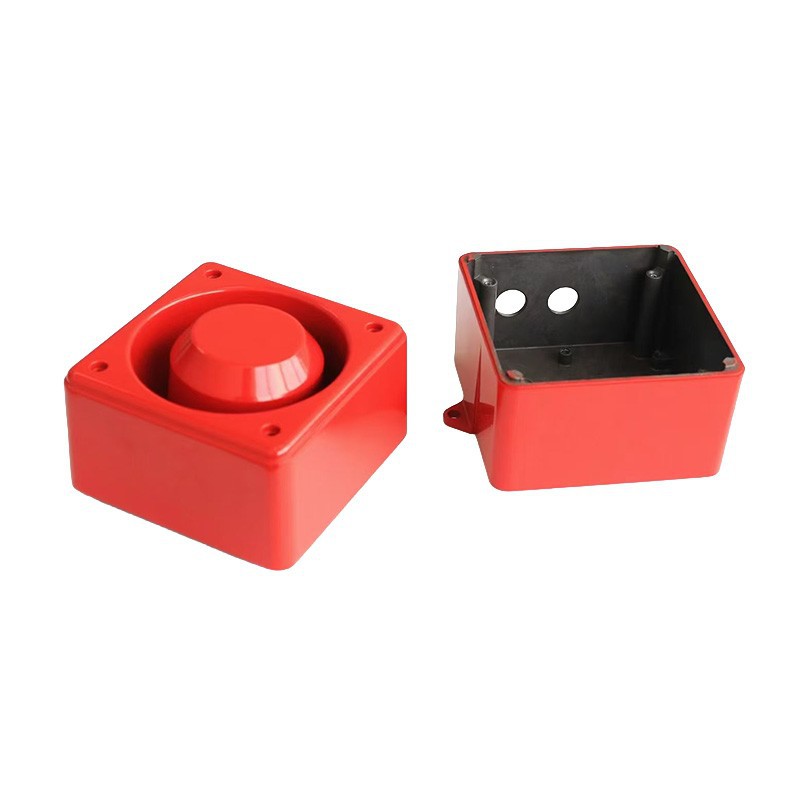
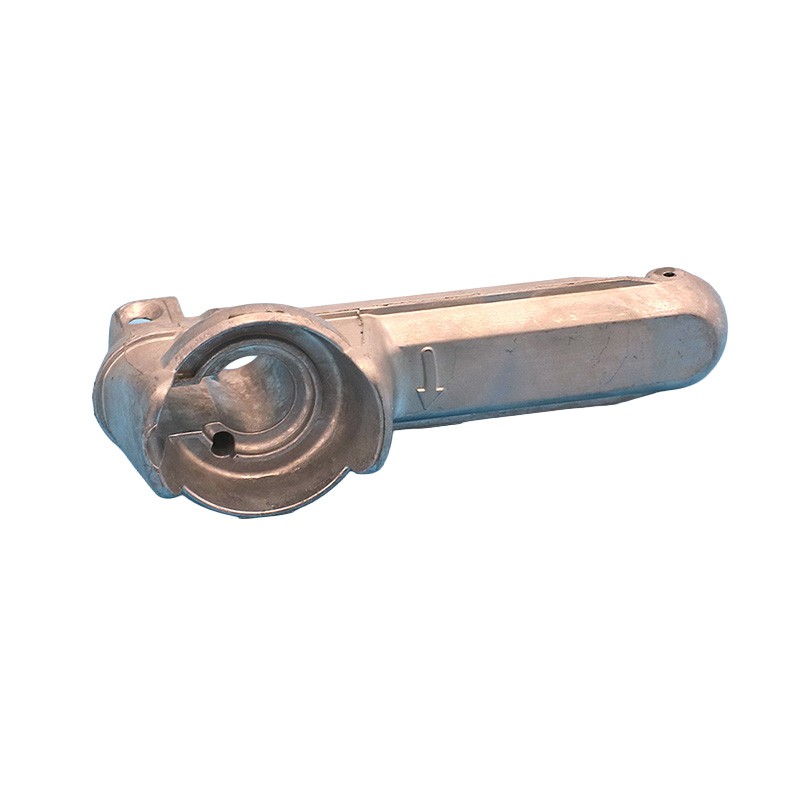
Another consideration is the weight of the housing. Aluminum is a lightweight material, which can be beneficial for classic cars. A lighter radiator housing can help to improve the performance of your car by reducing the overall weight and improving the handling. However, you need to make sure that the housing is still strong enough to withstand the rigors of daily driving.
Finally, it's important to consider the cost of the aluminum radiator housing. While aluminum is generally more expensive than other materials, such as plastic or steel, it offers many benefits, including durability, corrosion resistance, and a better appearance. You'll need to weigh the cost against the benefits and decide what is best for your budget and your classic car.
Where to Find Quality Aluminum Radiator Housings
If you're looking for a high-quality aluminum radiator housing for your classic car, look no further. As a leading supplier of Aluminum Radiator Housing, we offer a wide range of products that are designed to fit various makes and models. Our products are made from high-quality aluminum and are built to last.
We also offer a variety of other die-casting parts, including Hardware Die Casting Parts and Magnesium Die Casting Mold. And if you're in the market for an Aluminum LED Housing, we've got you covered too.
If you have any questions or need help finding the right aluminum radiator housing for your classic car, don't hesitate to contact us. We're here to help you get the most out of your classic car and ensure that it runs smoothly for years to come.
Conclusion
Installing an aluminum radiator housing in a classic car can be a great way to improve the performance and appearance of your vehicle. However, it's important to make sure that you choose the right housing and follow the proper installation procedures. By considering the compatibility, cooling system requirements, mounting and installation, and additional factors, you can ensure that your classic car's cooling system is working properly and that it looks great too.
So, if you're thinking about installing an aluminum radiator housing in your classic car, do your research, choose a high-quality product, and follow the installation instructions carefully. And if you need any help along the way, don't hesitate to reach out to us. We're here to help you make the most of your classic car restoration project.
References
- Classic Car Restoration Guidebooks
- Automotive Cooling System Manuals
- Aluminum Die-Casting Industry Publications