
Hey there! As a supplier of Magnesium Die Casting Molds, I often get asked about how to conduct non - destructive testing on these molds. Non - destructive testing (NDT) is super important because it helps us find defects in the molds without causing any damage to them. Let's dive into the details of how we can do this effectively.
Why Non - Destructive Testing?
Before we get into the methods, let's talk about why NDT is a big deal. Magnesium die casting molds are expensive to make. If we use destructive testing methods, we'll end up ruining the mold, which is just not cost - effective. NDT allows us to check for cracks, porosity, and other flaws that could affect the quality of the castings made from these molds. By detecting these issues early, we can save time and money in the long run.

Visual Inspection
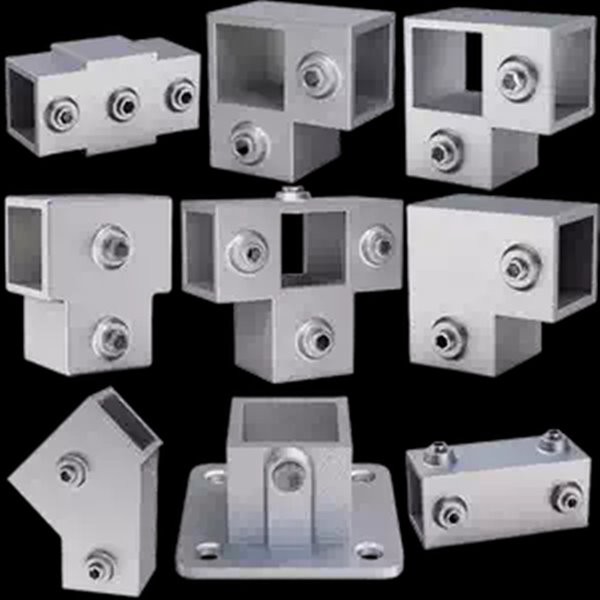
The simplest form of NDT is visual inspection. It doesn't require any fancy equipment, just a good pair of eyes. We can start by looking at the surface of the mold for obvious signs of damage, like cracks, chips, or rough spots. Sometimes, these visible defects can be the first indication of more serious problems inside the mold.
However, visual inspection has its limitations. It can only detect surface - level issues. Cracks or flaws that are hidden beneath the surface won't be visible to the naked eye. That's where other NDT methods come in handy.
Ultrasonic Testing
Ultrasonic testing is a popular NDT method for magnesium die casting molds. It works by sending high - frequency sound waves into the mold. These sound waves travel through the material and bounce back when they hit a defect. By analyzing the time it takes for the sound waves to return and the pattern of the echoes, we can determine the size, location, and type of defect.
One of the great things about ultrasonic testing is that it can detect internal defects that are not visible on the surface. It's also relatively fast and can cover a large area of the mold. But it does require some specialized equipment and trained operators.
Eddy Current Testing
Eddy current testing is another useful NDT technique. It uses electromagnetic induction to detect surface and near - surface defects in conductive materials like magnesium. When an alternating current is passed through a coil near the mold, it creates eddy currents in the material. If there's a defect, it will disrupt the flow of these eddy currents, and this change can be detected by the testing equipment.
Eddy current testing is particularly good at detecting cracks and corrosion on the surface of the mold. It's also a fast and non - invasive method. However, it's mainly effective for surface and near - surface defects and may not be as useful for detecting deeper flaws.
X - Ray Testing
X - ray testing is a powerful NDT method that can provide detailed images of the internal structure of the mold. It works by passing X - rays through the mold and capturing the image on a detector. The X - rays are absorbed differently by different materials and defects, which shows up as variations in the image.
X - ray testing can detect a wide range of defects, including internal cracks, porosity, and inclusions. It's very accurate and can provide a clear picture of what's going on inside the mold. But it does require specialized equipment and proper safety precautions because X - rays are a form of radiation.
Benefits of NDT for Our Customers
As a Magnesium Die Casting Mold supplier, we understand that our customers rely on us to provide high - quality molds. By using NDT, we can ensure that the molds we supply are free from defects. This means that our customers can expect better - quality castings, fewer production delays, and lower costs in the long run.
For example, if a mold has a hidden crack that goes undetected, it could lead to defective castings. These defective parts may need to be scrapped, which costs time and money. By using NDT, we can catch these issues before they cause problems, saving our customers from unnecessary headaches.
Related Products
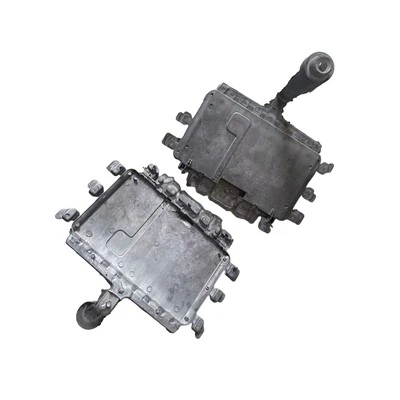
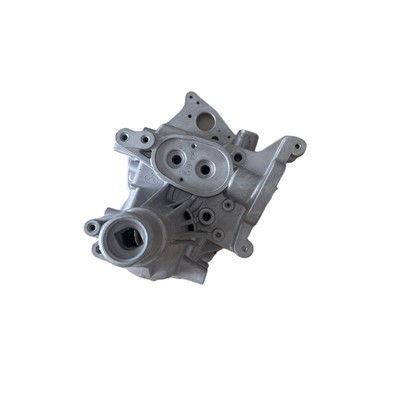
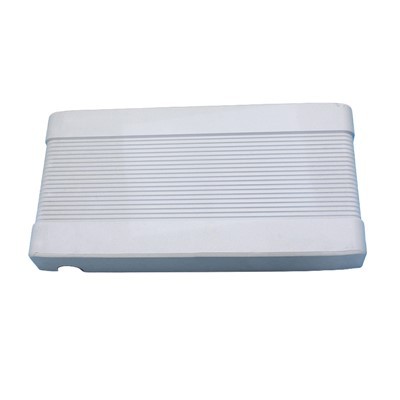
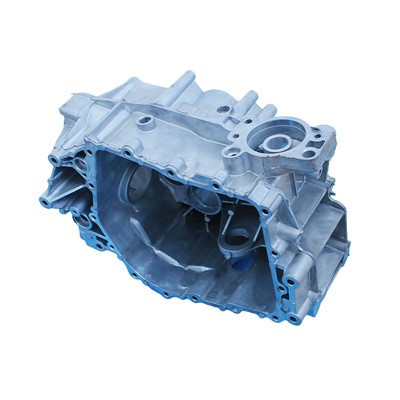
If you're interested in other casting components, we also offer Aluminium Casting Components. These components are made using high - quality aluminum and are suitable for a wide range of applications. We also have Aluminum Radiator Housing and Aluminum Seat Bracket, which are designed to meet the specific needs of our customers.
How to Get in Touch
If you're in the market for high - quality Magnesium Die Casting Molds or any of our other products, we'd love to hear from you. Whether you have questions about NDT, need a quote, or just want to discuss your project, don't hesitate to reach out. We're here to help you find the best solutions for your casting needs.
References
- ASNT (American Society for Nondestructive Testing). Non - Destructive Testing Handbook.
- ASTM International. Standards for Non - Destructive Testing of Metals.