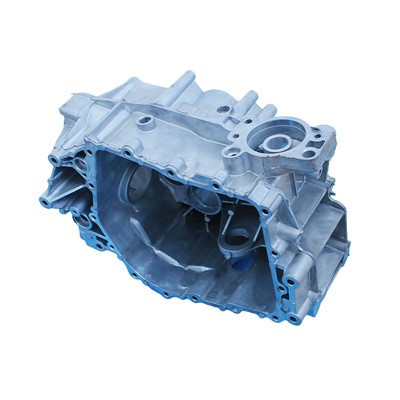

Can hardware die casting parts be used in high - temperature environments? That's a question I get asked a lot as a supplier of hardware die casting parts. In this blog, I'll share my insights and experiences on this topic.
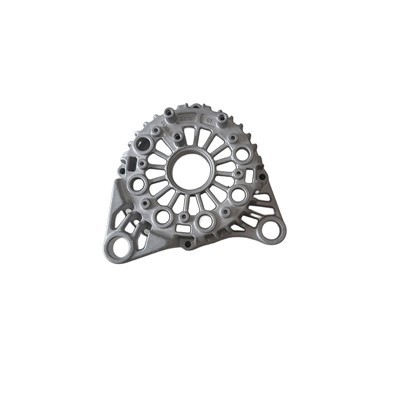
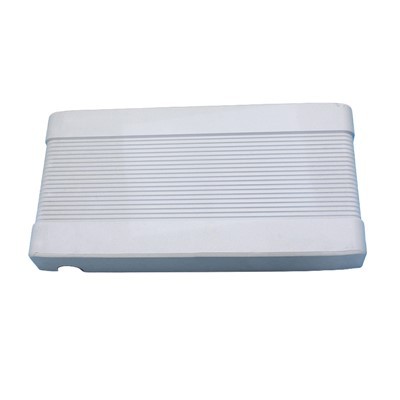
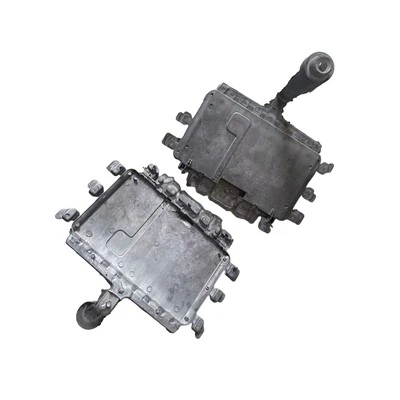
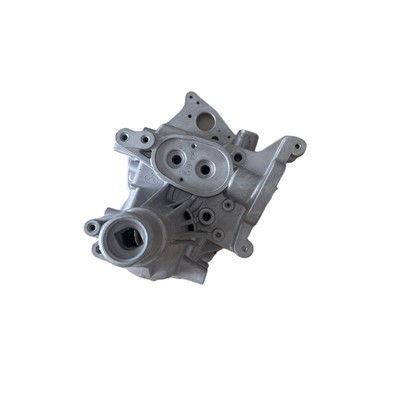
First off, let's understand what hardware die casting is. Die casting is a manufacturing process where molten metal is forced into a mold cavity under high pressure. This method is great for producing complex shapes with high precision and good surface finish. We offer a wide range of die - casting parts, like Aluminum LED Housing, Home Appliance Die Casting Parts, and Magnesium Die Casting Parts.
When it comes to high - temperature environments, not all die - casting parts are created equal. The ability of a die - casting part to withstand high temperatures depends on several factors, mainly the material used.
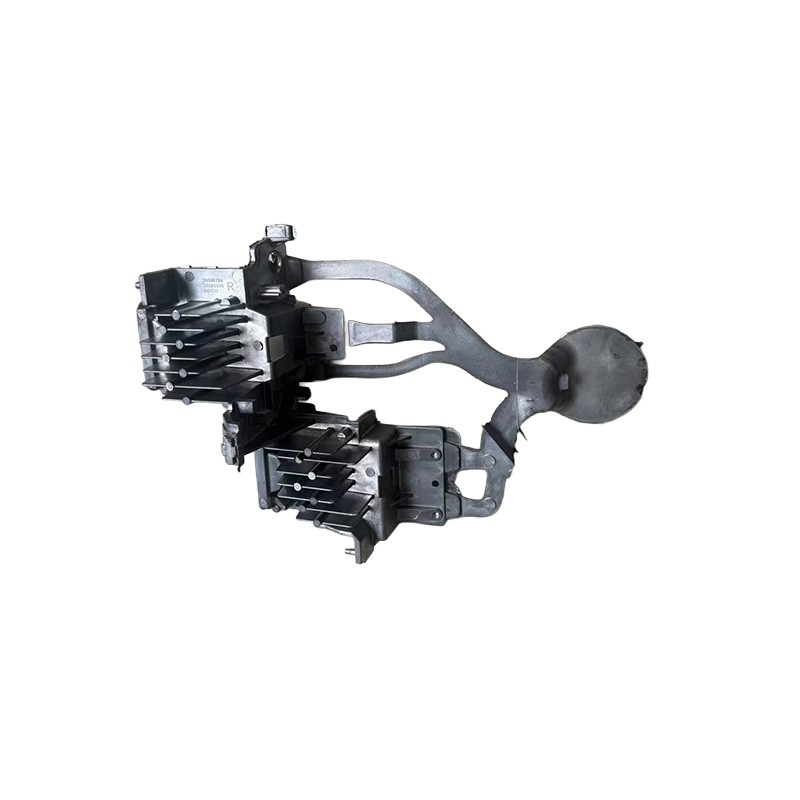
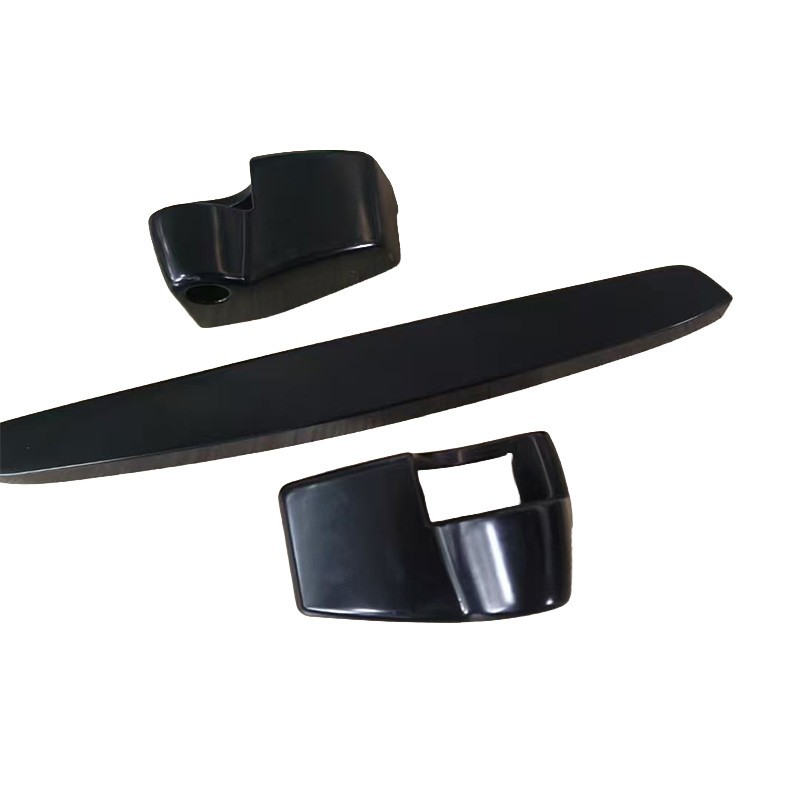
Materials and Their High - Temperature Performance
Aluminum Die Casting Parts
Aluminum is one of the most commonly used materials in die casting. It's lightweight, has good corrosion resistance, and is relatively inexpensive. However, its melting point is around 660°C (1220°F). In general, aluminum die - casting parts can handle temperatures up to about 200 - 250°C (392 - 482°F) without significant deformation. Beyond this range, the mechanical properties of aluminum start to degrade. For example, its strength and hardness decrease, and it becomes more prone to creep (slow deformation under constant stress). So, if your application requires parts to operate in a high - temperature environment close to or above 250°C, aluminum might not be the best choice.
Magnesium Die Casting Parts
Magnesium is another popular material for die casting. It's even lighter than aluminum, which makes it attractive for applications where weight is a concern, such as in the automotive and aerospace industries. But magnesium has a lower melting point than aluminum, around 650°C (1202°F). Magnesium die - casting parts can typically withstand temperatures up to about 150 - 200°C (302 - 392°F). At higher temperatures, magnesium can oxidize rapidly, and its mechanical properties also start to decline. So, for high - temperature applications, magnesium may need special coatings or treatments to improve its performance.
Zinc Die Casting Parts
Zinc is often used for die - casting parts because it has a low melting point (about 420°C or 788°F) and is easy to cast. Zinc die - casting parts can usually handle temperatures up to around 100 - 150°C (212 - 302°F). At higher temperatures, zinc can become brittle and lose its dimensional stability.
Applications in High - Temperature Environments
There are some industries where high - temperature performance is crucial. For example, in the automotive industry, engine components need to withstand extremely high temperatures. Parts like cylinder heads, pistons, and exhaust manifolds are exposed to temperatures well above 200°C. In these cases, materials like cast iron or special high - temperature alloys are often used instead of traditional die - casting materials.
In the aerospace industry, parts are also subjected to high temperatures, especially during re - entry or high - speed flight. Again, specialized materials are required to ensure the safety and performance of the components.
However, there are still some applications where die - casting parts can be used in moderately high - temperature environments. For instance, in some electrical appliances, the internal components may generate heat, and die - casting parts can be used as long as the temperature doesn't exceed the material's limit. Our Home Appliance Die Casting Parts are designed to handle the typical heat generated in household appliances.
Improving High - Temperature Performance
If you need die - casting parts for high - temperature applications, there are several ways to improve their performance.
Coating
Applying a high - temperature coating to the die - casting parts can provide an extra layer of protection. Coatings can help reduce oxidation, improve heat resistance, and enhance the part's durability. For example, ceramic coatings can be used to increase the thermal barrier of the part.
Alloying
Adding certain elements to the base metal can improve its high - temperature properties. For example, adding small amounts of copper or silicon to aluminum can increase its strength and heat resistance.
Design Optimization
Proper design can also play a role in improving the high - temperature performance of die - casting parts. For example, using thicker walls or adding ribs can help distribute heat more evenly and reduce the risk of deformation.
Conclusion
So, can hardware die - casting parts be used in high - temperature environments? The answer is it depends. Different materials have different temperature limits, and for applications with extremely high temperatures, specialized materials may be required. However, with the right material selection, coatings, and design, die - casting parts can be used in moderately high - temperature environments.
If you're looking for hardware die - casting parts for your project, whether it's for normal or high - temperature applications, we're here to help. We have a team of experts who can assist you in choosing the right material and design for your specific needs. Don't hesitate to reach out to us for a quote or to discuss your requirements.
References
- "Die Casting Handbook" by J. Campbell
- "Materials Science and Engineering: An Introduction" by W. D. Callister