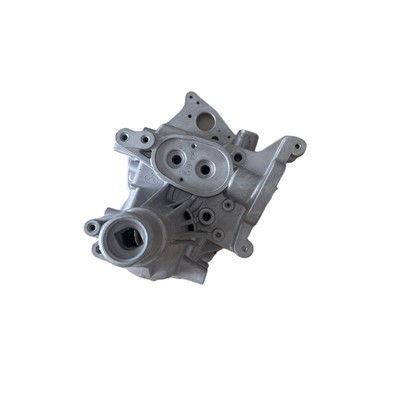

As a supplier of machinery casting parts, I've witnessed firsthand the revolutionary impact of 3D printing on our industry. In this blog, I'll share the advantages of using 3D printing for machinery casting parts and explain why it's a game-changer for businesses like ours.
Design Flexibility
One of the most significant advantages of 3D printing is its unparalleled design flexibility. Traditional casting methods often come with limitations in terms of shape and complexity. With 3D printing, we can create parts with intricate geometries that were previously impossible or extremely difficult to produce. This means we can design parts that are optimized for performance, reducing weight and improving functionality.
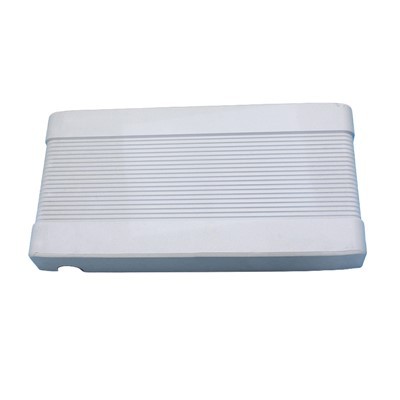
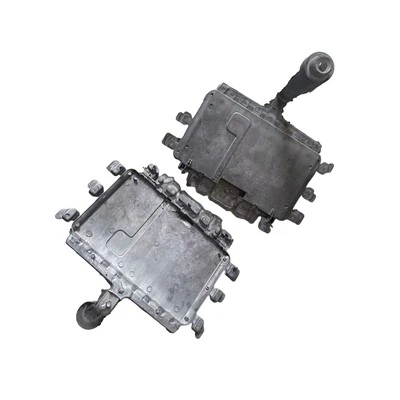
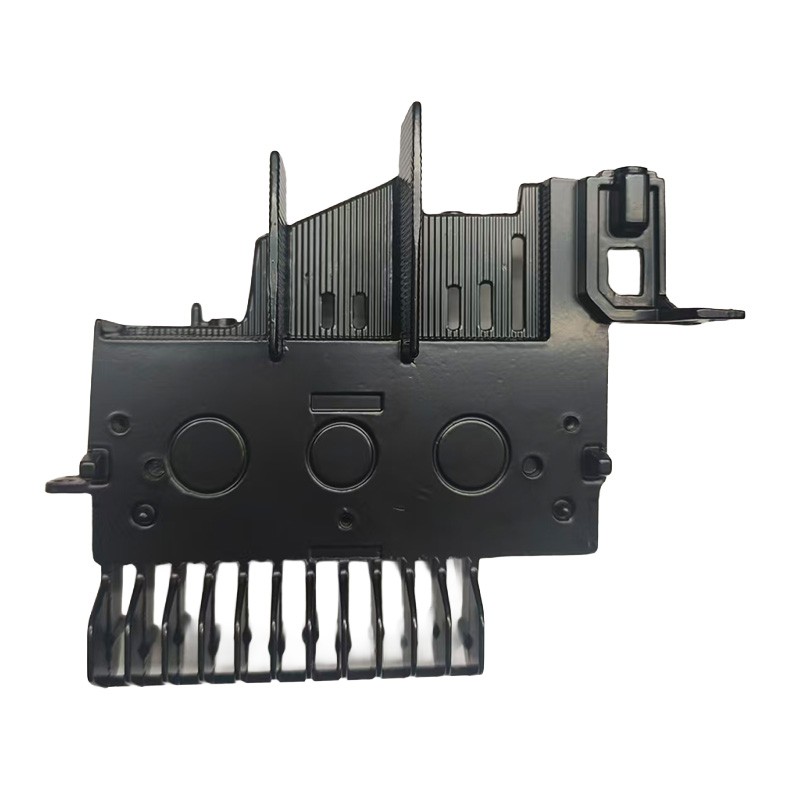
For example, let's say we're working on a Precision Die Casting Parts. With 3D printing, we can add internal channels or lattice structures to the part, which can enhance its strength while reducing its weight. This not only improves the part's performance but also reduces material costs.
Faster Prototyping
In the world of machinery casting, time is of the essence. Traditional prototyping methods can be time-consuming and expensive. With 3D printing, we can create prototypes in a matter of hours or days, rather than weeks or months. This allows us to quickly test and iterate on our designs, reducing the time to market for new products.
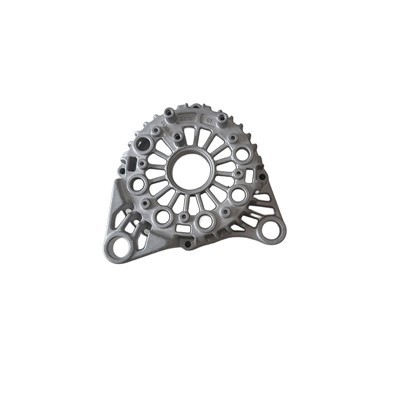
For instance, if we're developing a new Drone Aluminum Parts, we can use 3D printing to create a prototype of the part. We can then test the prototype to see how it performs in real-world conditions. If any changes are needed, we can quickly modify the design and print a new prototype. This iterative process allows us to refine our designs and ensure that the final product meets our customers' requirements.
Cost Savings
3D printing can also help us save costs in several ways. First, it reduces the need for expensive tooling. Traditional casting methods require the creation of molds, which can be costly and time-consuming. With 3D printing, we can create parts directly from a digital model, eliminating the need for molds. This not only saves money but also reduces lead times.
Second, 3D printing allows us to use less material. Traditional casting methods often result in a significant amount of waste material. With 3D printing, we can use only the material that is needed to create the part, reducing waste and saving costs.
Finally, 3D printing can reduce the cost of labor. Traditional casting methods require skilled workers to operate the equipment and perform the casting process. With 3D printing, the process is automated, reducing the need for labor and saving costs.
Customization
In today's market, customers are increasingly demanding customized products. 3D printing allows us to meet this demand by creating parts that are tailored to our customers' specific requirements. Whether it's a unique shape, size, or material, we can use 3D printing to create parts that are exactly what our customers need.
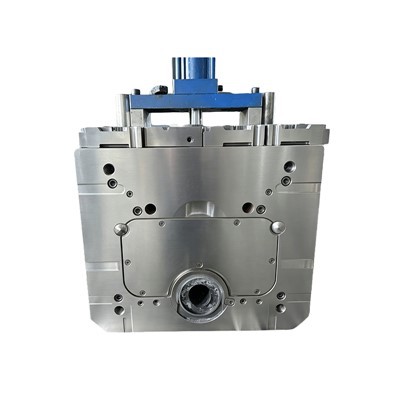
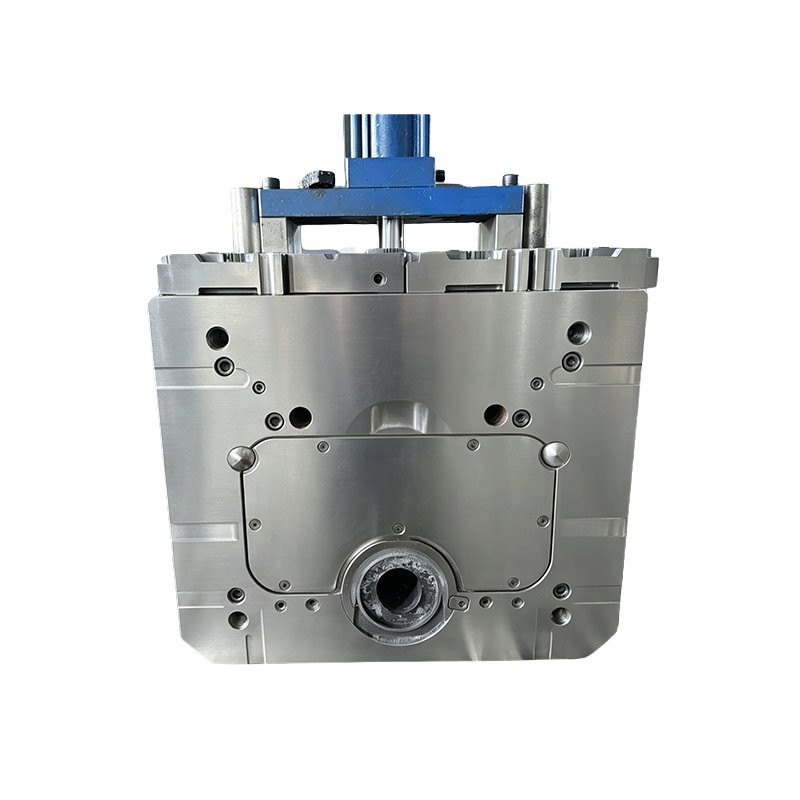
For example, if a customer needs a Die Cast Aluminum Mold with a specific design, we can use 3D printing to create a custom mold. This allows us to provide our customers with a high-quality product that meets their exact specifications.
Improved Quality
3D printing can also improve the quality of our products. Traditional casting methods can result in defects such as porosity, shrinkage, and warping. With 3D printing, we can create parts with a high level of accuracy and precision, reducing the risk of defects.
In addition, 3D printing allows us to use a variety of materials, including metals, plastics, and composites. This gives us the flexibility to choose the material that is best suited for the application, ensuring that the final product has the desired properties.
Environmental Sustainability
Finally, 3D printing is a more environmentally sustainable manufacturing method compared to traditional casting methods. Traditional casting methods often require large amounts of energy and produce a significant amount of waste. With 3D printing, we can use less material and energy, reducing our environmental impact.
In addition, 3D printing allows us to recycle materials. If a part is no longer needed, we can melt it down and use the material to create a new part. This reduces the amount of waste that is sent to landfills and helps to conserve natural resources.
Conclusion
In conclusion, 3D printing offers a number of advantages for machinery casting parts. It provides design flexibility, faster prototyping, cost savings, customization, improved quality, and environmental sustainability. As a supplier of machinery casting parts, I believe that 3D printing is the future of our industry.
If you're interested in learning more about how 3D printing can benefit your business, please don't hesitate to contact us. We'd be happy to discuss your specific requirements and provide you with a quote.
References
- Gibson, I., Rosen, D. W., & Stucker, B. (2015). Additive manufacturing technologies: 3D printing, rapid prototyping, and direct digital manufacturing. Springer.
- Wohlers, T. (2019). Wohlers report 2019: 3D printing and additive manufacturing state of the industry. Wohlers Associates.