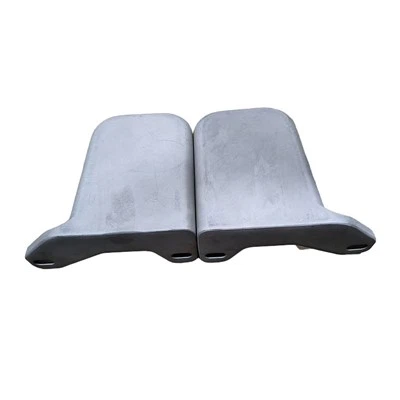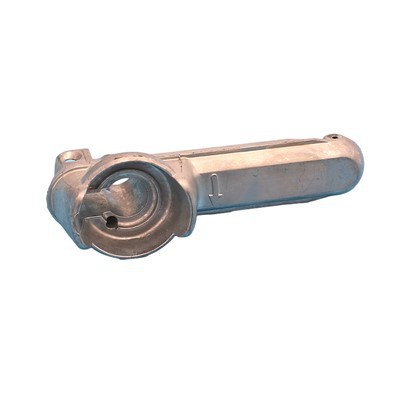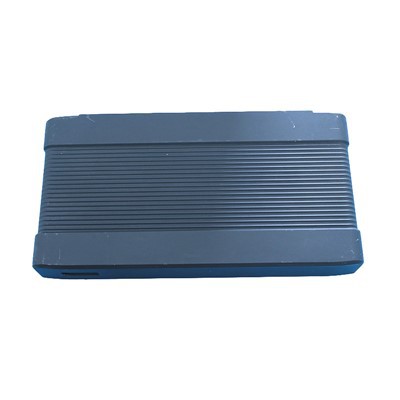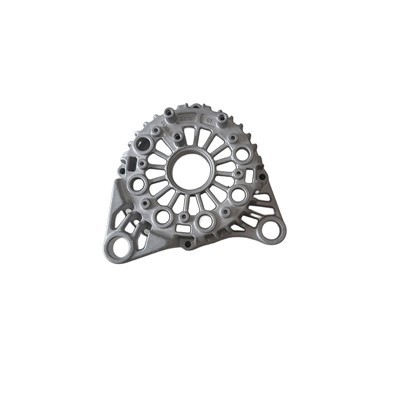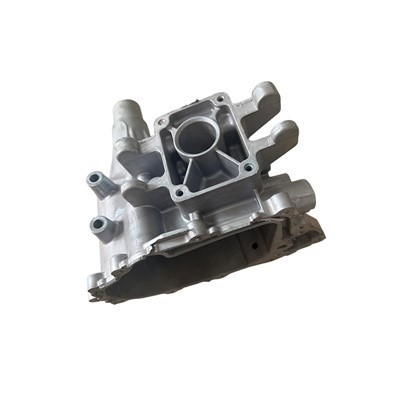

As a seasoned supplier of Aluminium Casting Components, I've witnessed firsthand the intricate dance of factors that influence the solubility of these components. Solubility is a crucial aspect in the world of aluminium casting, as it directly impacts the quality, performance, and overall functionality of the final products. In this blog, I'll delve into the key factors that affect the solubility of Aluminium Casting Components, providing insights based on my years of experience in the industry.
Temperature
One of the most significant factors affecting the solubility of Aluminium Casting Components is temperature. Generally, solubility increases with an increase in temperature. This is because higher temperatures provide more energy to the atoms or molecules, allowing them to move more freely and break the intermolecular forces that hold them together. In the context of aluminium casting, higher temperatures can promote the dissolution of alloying elements in the aluminium matrix.
For example, when casting aluminium alloys, certain elements like copper, magnesium, and silicon are added to enhance the mechanical properties of the final product. At higher temperatures, these elements are more likely to dissolve in the aluminium, forming a homogeneous solution. However, it's important to note that excessive temperatures can also lead to other issues, such as grain growth and oxidation. Therefore, finding the optimal temperature range is crucial for achieving the desired solubility and overall quality of the casting.
Alloy Composition
The composition of the aluminium alloy plays a vital role in determining its solubility. Different alloying elements have different solubilities in aluminium, and the combination of these elements can significantly affect the overall solubility of the alloy. For instance, magnesium has a relatively high solubility in aluminium, and adding magnesium to an aluminium alloy can increase its strength and corrosion resistance.
On the other hand, some elements may have limited solubility in aluminium, and exceeding their solubility limit can result in the formation of intermetallic compounds. These compounds can have a negative impact on the mechanical properties and solubility of the alloy. Therefore, it's essential to carefully control the alloy composition to ensure that the solubility of the alloying elements is within the desired range.
Pressure
Pressure can also have an impact on the solubility of Aluminium Casting Components. In general, increasing pressure can increase the solubility of gases in liquids. In the case of aluminium casting, this can be relevant when dealing with the solubility of hydrogen in the molten aluminium. Hydrogen is a common gas that can dissolve in molten aluminium, and excessive hydrogen content can lead to porosity and other defects in the casting.
By applying pressure during the casting process, the solubility of hydrogen in the molten aluminium can be reduced, thereby minimizing the risk of porosity. This is often achieved through techniques such as vacuum casting or pressure die casting. These methods can help to remove the dissolved gases from the molten aluminium and improve the quality of the casting.
Stirring and Mixing
Stirring and mixing are important processes in aluminium casting that can affect the solubility of the alloying elements. By stirring the molten aluminium, the alloying elements can be more evenly distributed throughout the melt, promoting their dissolution in the aluminium matrix. This can help to achieve a more homogeneous alloy with better mechanical properties.
In addition, stirring can also help to break up any agglomerates or clusters of alloying elements, increasing their surface area and enhancing their solubility. However, it's important to note that excessive stirring can also lead to the introduction of air or other contaminants into the melt, which can have a negative impact on the quality of the casting. Therefore, the stirring process needs to be carefully controlled to ensure that it achieves the desired effects without causing any adverse effects.
Impurities and Contaminants
Impurities and contaminants in the aluminium alloy can also affect its solubility. These impurities can include elements such as iron, zinc, and lead, as well as non-metallic inclusions like oxides and sulfides. These impurities can have a negative impact on the solubility of the alloying elements by forming intermetallic compounds or interfering with the dissolution process.
For example, iron is a common impurity in aluminium alloys, and it can form intermetallic compounds with other elements, such as aluminium and silicon. These compounds can have a negative impact on the mechanical properties and solubility of the alloy. Therefore, it's important to carefully control the impurity content in the aluminium alloy to ensure that it meets the required specifications.
Surface Area
The surface area of the Aluminium Casting Components can also affect their solubility. A larger surface area provides more contact between the alloy and the surrounding medium, which can promote the dissolution process. In the case of aluminium casting, this can be relevant when dealing with the dissolution of the alloy in a liquid medium, such as an acid or a base.
For example, if the Aluminium Casting Components have a rough or porous surface, they will have a larger surface area compared to components with a smooth surface. This can increase the rate of dissolution of the alloy in the liquid medium. However, it's important to note that a rough or porous surface can also increase the risk of corrosion and other forms of degradation. Therefore, the surface finish of the Aluminium Casting Components needs to be carefully controlled to ensure that it meets the required specifications.
Conclusion
In conclusion, the solubility of Aluminium Casting Components is influenced by a variety of factors, including temperature, alloy composition, pressure, stirring and mixing, impurities and contaminants, and surface area. As a supplier of Aluminium Casting Components, it's important to understand these factors and how they can affect the quality and performance of the final products.
By carefully controlling these factors during the casting process, we can ensure that the Aluminium Casting Components have the desired solubility and mechanical properties. This can help to meet the requirements of our customers and provide them with high-quality products that are reliable and durable.
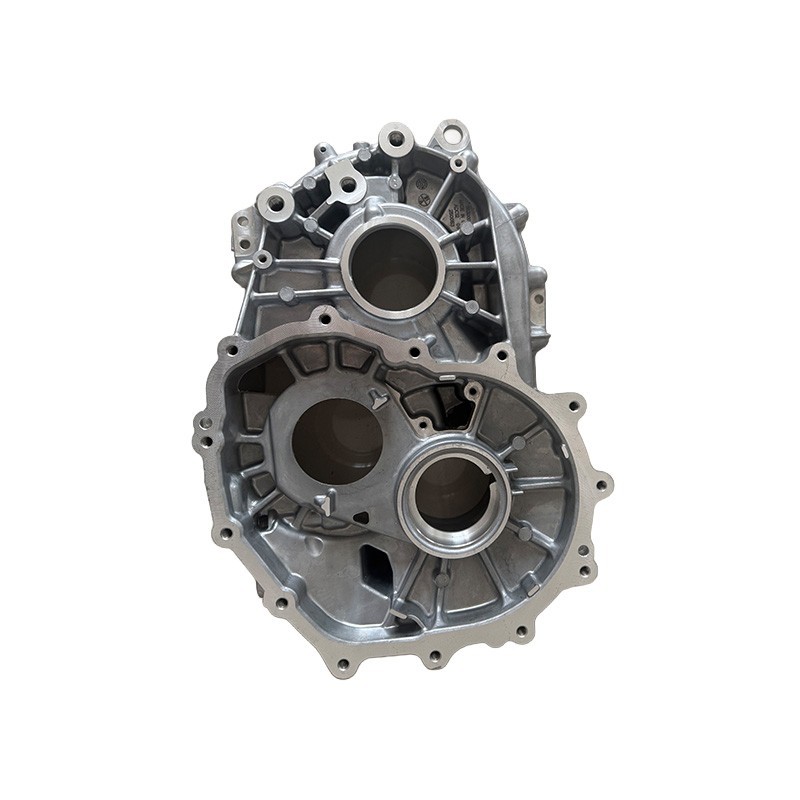
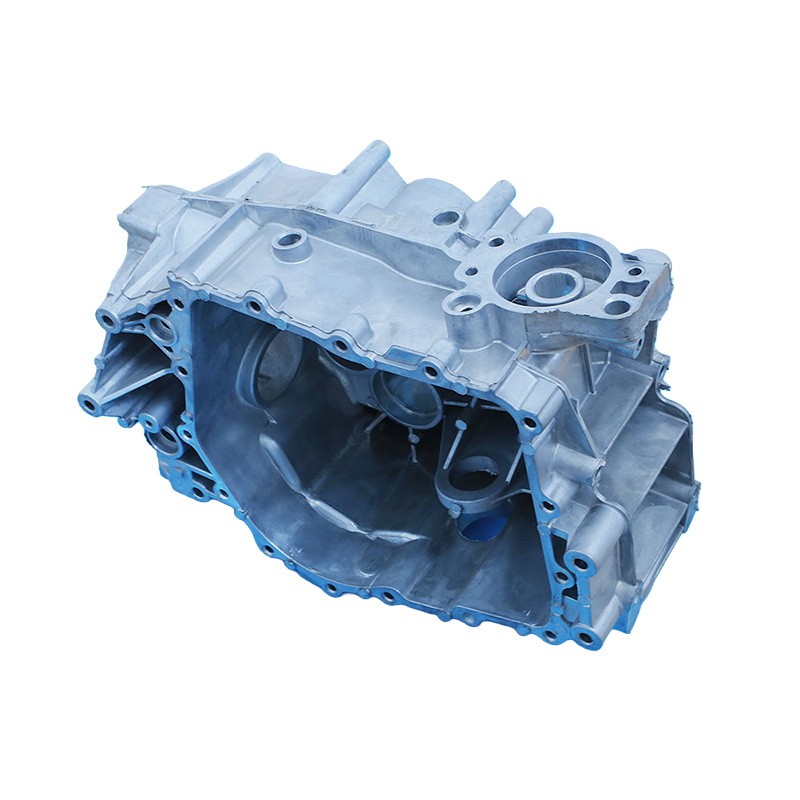
If you're in the market for high-quality Aluminium Casting Components or related products such as Magnesium Die Casting Parts, Die Cast Aluminum Mold, or Aluminum Gearbox Housing, we'd love to hear from you. Our team of experts is ready to assist you with your procurement needs and provide you with the best solutions for your projects. Contact us today to start the conversation and explore how we can work together to achieve your goals.
References
- Smith, J. (2018). Principles of Aluminium Casting. New York: Elsevier.
- Johnson, R. (2019). Alloying Elements in Aluminium Alloys. London: Springer.
- Brown, A. (2020). Solubility and Phase Diagrams of Aluminium Alloys. Sydney: Wiley.