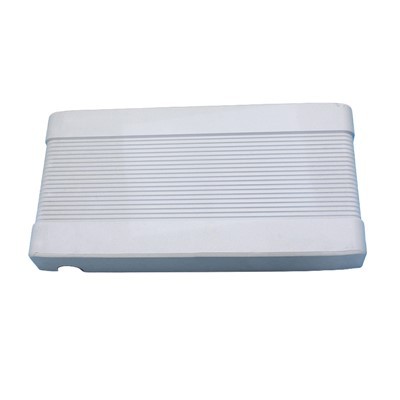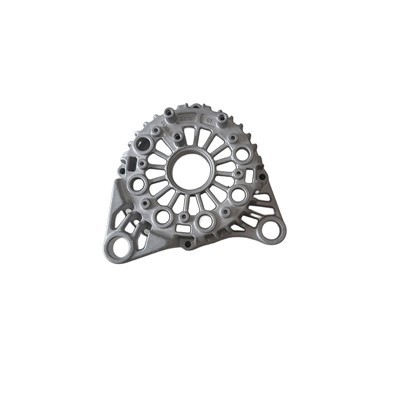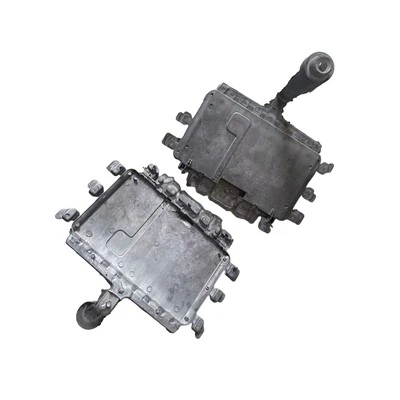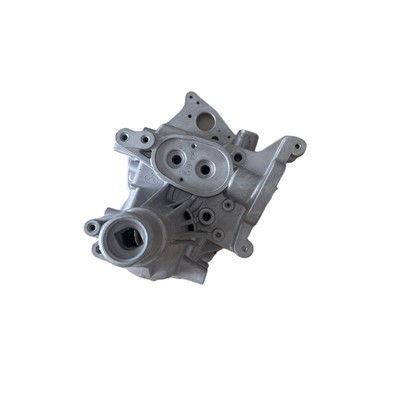

Yo, what's up everyone! I'm a supplier of lighting die casting molds, and today I wanna chat about the market demands for these bad boys.
First off, let's understand what lighting die casting molds are. They're used to create various lighting components through the die - casting process. You know, when molten metal is forced into a mold cavity under high pressure to get the desired shape.
1. Aesthetic Requirements
In the lighting industry, aesthetics play a huge role. Consumers these days are not just looking for a light that illuminates; they want something that looks cool and stylish. So, the market demands lighting die casting molds that can produce components with smooth surfaces, fine details, and unique shapes. For example, some modern chandeliers have very intricate designs. Our molds need to be able to replicate these designs accurately. We're talking about sharp edges, smooth curves, and even some fancy textures. If a mold can't deliver these aesthetic features, it's gonna be left behind in the market.
2. Energy - Efficiency Considerations
With the growing concern for energy conservation, the lighting industry is moving towards more energy - efficient products. This means that the components made by lighting die casting molds need to support energy - saving technologies. For instance, LED lights are becoming more and more popular. The molds should be able to create parts that can effectively dissipate heat from the LEDs. Good heat dissipation is crucial for the long - term performance and lifespan of the LEDs. If the heat isn't managed well, the LEDs can overheat and their brightness will decrease over time. So, the market is demanding molds that can produce components with proper heat - dissipation structures, like heat sinks with optimized designs.
3. Durability and Longevity
Lighting fixtures are expected to last a long time. No one wants to replace their lights every few months. That's why the market requires lighting die casting molds to produce components that are durable. The materials used in the die - casting process need to be of high quality, and the molds themselves should be able to withstand the high - pressure and high - temperature conditions during the production process. A well - made mold will produce components that can resist corrosion, wear, and tear. For example, outdoor lighting fixtures need to be able to endure harsh weather conditions, so the components made from our molds should be able to handle rain, sunlight, and extreme temperatures without deteriorating quickly.
4. Customization
The lighting market is incredibly diverse. Different customers have different needs and preferences. Some might want a specific size, shape, or color for their lighting components. That's where customization comes in. The market demands lighting die casting molds that can be easily customized. We, as suppliers, need to be able to adapt to these custom requirements. Whether it's a small - batch production for a unique project or a large - scale production with a specific design, our molds should be flexible enough to meet these demands. This might involve using advanced CAD/CAM technologies to design and modify the molds according to the customer's specifications.
5. Cost - Effectiveness
In any market, cost is always a major factor. Customers want high - quality lighting components at a reasonable price. As a lighting die casting mold supplier, we need to find ways to reduce the production cost without sacrificing the quality. This could involve optimizing the mold design to use less material, improving the production process to increase efficiency, and finding cost - effective materials for the die - casting. For example, using recycled metals in the die - casting process can be a great way to cut down costs while still maintaining the quality of the final product.
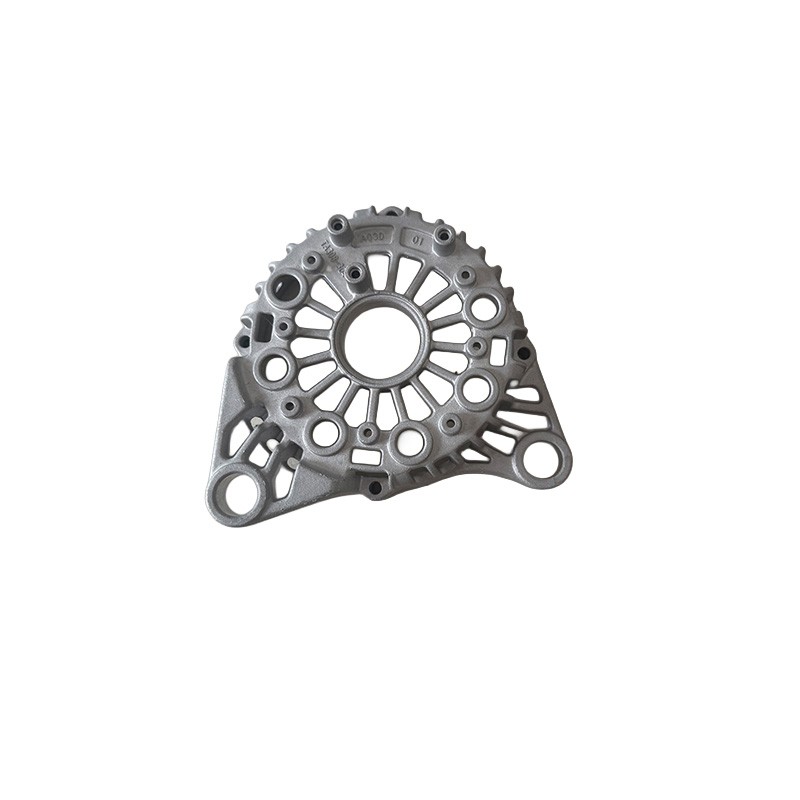
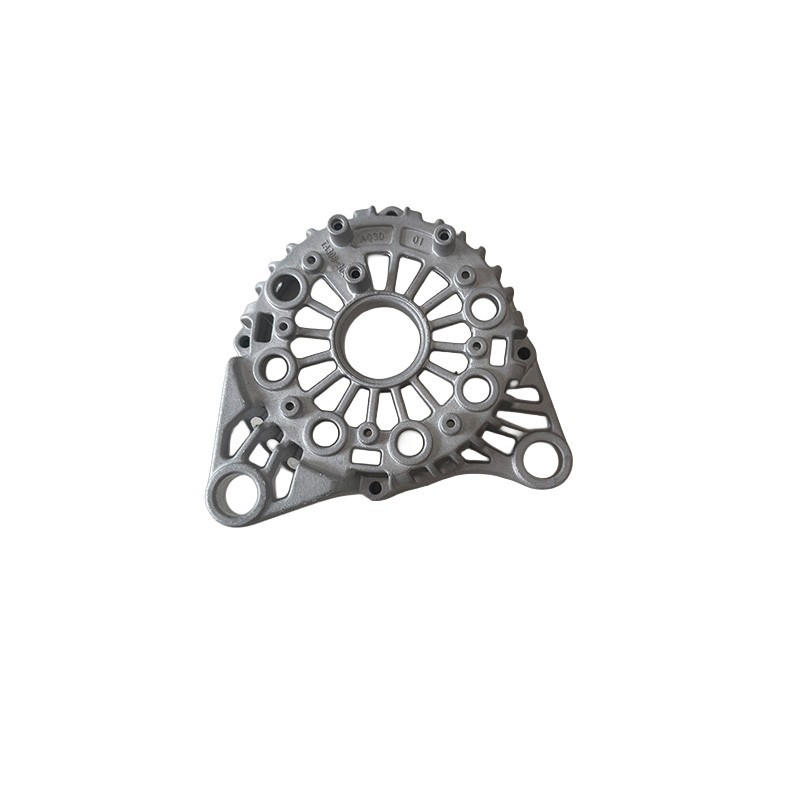
6. Compatibility with Different Materials
The lighting industry uses a variety of materials for die - casting, such as aluminum, zinc, and magnesium. The market demands lighting die casting molds that can work well with different materials. Each material has its own properties, and the molds need to be designed to handle these differences. For example, aluminum is lightweight and has good heat - dissipation properties, but it also has a relatively high melting point. The mold needs to be able to withstand the high temperature during the die - casting of aluminum. Zinc, on the other hand, is more malleable and has a lower melting point. The mold design needs to be adjusted accordingly to ensure a smooth die - casting process for different materials.
7. Industry Standards and Regulations
The lighting industry is subject to various standards and regulations. The components made by lighting die casting molds need to meet these requirements. For example, there are safety standards regarding electrical insulation, fire resistance, and environmental protection. Our molds need to be able to produce components that comply with these standards. This might involve adding certain features or structures to the components during the die - casting process. If our molds can't produce components that meet the industry standards, we won't be able to sell our products in the market.
8. Integration with Other Technologies
As technology advances, the lighting industry is also integrating with other technologies. For example, smart lighting systems are becoming more popular. These systems allow users to control the lights through their smartphones or other devices. The lighting die casting molds need to be able to produce components that can support these smart technologies. This might involve creating spaces for sensors, wiring, and other electronic components in the lighting fixtures.
Now, if you're in the market for lighting die casting molds, or you're interested in Home Appliance Die Casting Mold, Hardware Die Casting Mold, or Precision Die Casting Mold, don't hesitate to reach out. We're here to provide you with high - quality molds that meet your specific needs. Whether you have a small project or a large - scale production, we've got you covered.
References
- Smith, J. (2020). Lighting Industry Trends. Lighting Journal.
- Doe, A. (2019). Die - Casting Technology for Lighting Components. Manufacturing Magazine.