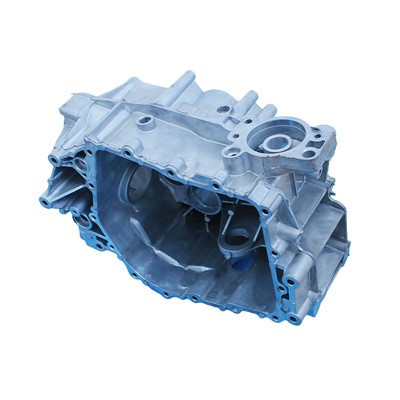

Hey there! As a supplier of Precision Die Casting Parts, I often get asked about the differences between precision die casting and investment casting. So, let's dive right in and break it down.

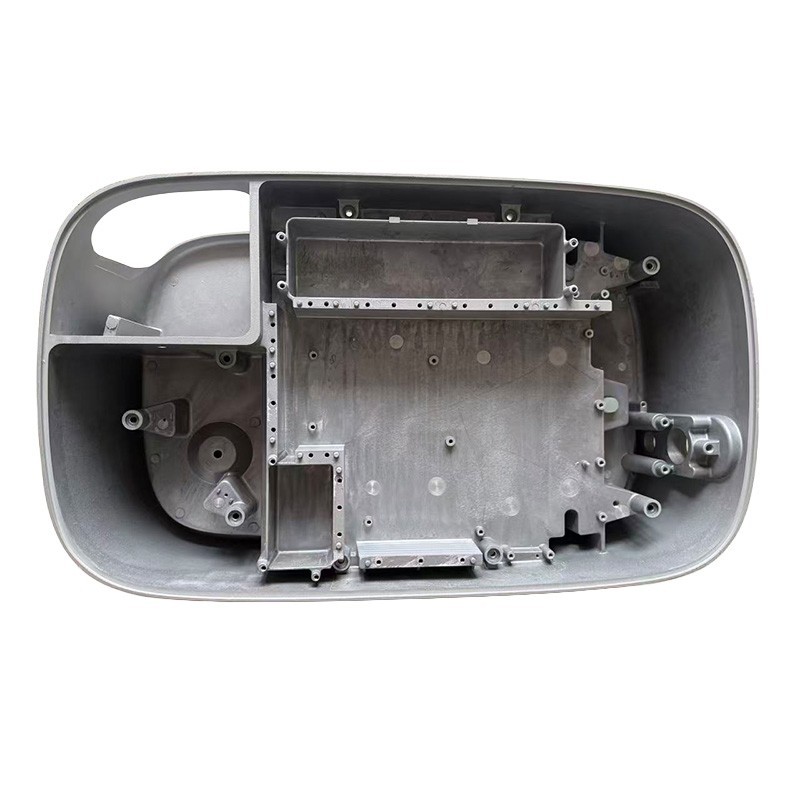
Basics of Precision Die Casting
Precision die casting is a manufacturing process where molten metal is forced into a mold cavity under high pressure. This process is super efficient and can produce parts with high dimensional accuracy and smooth surfaces. It's great for mass - production because it allows for a high volume of parts to be made quickly.
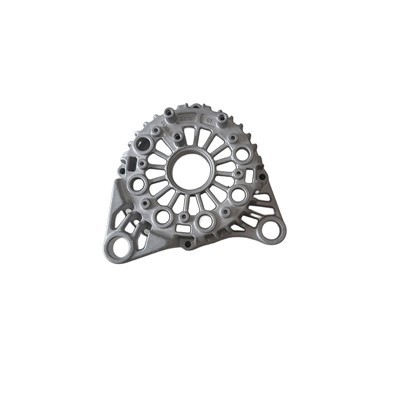
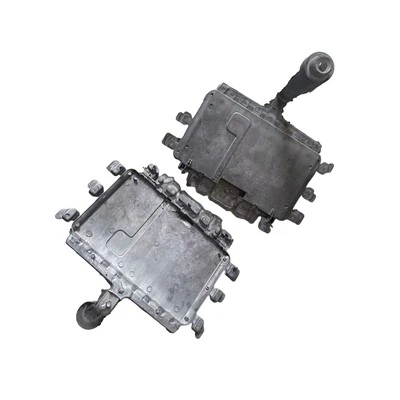
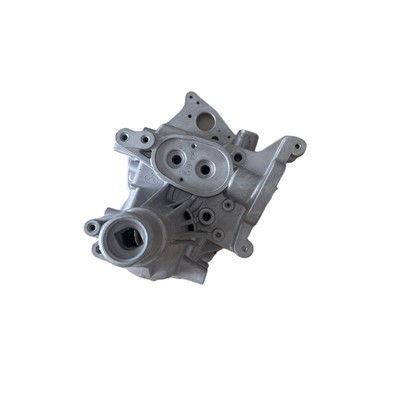
One of the key advantages of precision die casting is its ability to create complex shapes. The high pressure ensures that the molten metal fills every nook and cranny of the mold, resulting in detailed and accurate parts. For example, in the automotive industry, Automotive Die Casting Parts are often made using precision die casting. These parts need to be precise to fit perfectly in the vehicle's assembly, and precision die casting can meet those requirements.
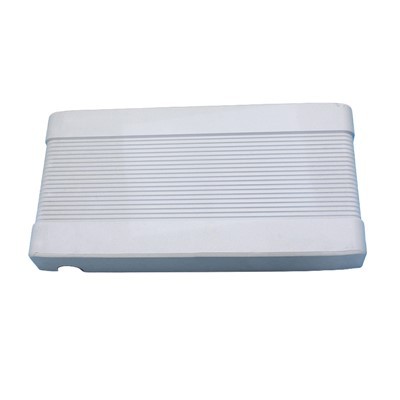
Another benefit is the excellent surface finish. The parts produced by precision die casting usually don't require a lot of post - processing, which saves time and money. This is especially important for industries like hardware, where Hardware Die Casting Parts need to look good and function well.
However, precision die casting also has its limitations. The initial cost of creating the molds can be quite high. These molds are made to withstand high pressure and repeated use, so they are expensive to manufacture. Also, the process is mainly suitable for metals with low melting points, such as aluminum, zinc, and magnesium.
The Lowdown on Investment Casting
Investment casting, on the other hand, is a more intricate process. It starts with creating a wax pattern of the part. This wax pattern is then coated with a ceramic shell. Once the shell is hardened, the wax is melted out, leaving a cavity in the shape of the part. Molten metal is then poured into this cavity to create the final part.
Investment casting is known for its high level of detail. It can produce parts with very thin walls and complex geometries that might be difficult or impossible to achieve with precision die casting. This makes it a popular choice for industries like aerospace and jewelry.
One of the big advantages of investment casting is its ability to work with a wide range of metals, including high - melting - point metals like steel and titanium. This gives manufacturers more options when it comes to choosing the right material for their parts.
But investment casting also has its drawbacks. It's a time - consuming process. From creating the wax pattern to melting it out and pouring the metal, each step takes time. This makes it less suitable for high - volume production compared to precision die casting. Also, the cost per part can be higher, especially for small - scale production.
Key Differences
1. Production Volume
Precision die casting is the go - to for high - volume production. The high - pressure injection system allows for a large number of parts to be produced quickly. Once the mold is set up, the cycle time for each part is relatively short. In contrast, investment casting is better suited for low - to medium - volume production. The time - consuming nature of the process makes it less efficient for large - scale manufacturing.
2. Dimensional Accuracy
Both processes can achieve high dimensional accuracy, but in different ways. Precision die casting uses high pressure to force the molten metal into the mold, resulting in parts with tight tolerances. Investment casting, on the other hand, relies on the precision of the wax pattern and the ceramic shell. It can achieve very high levels of detail, especially for complex shapes.
3. Surface Finish
Precision die casting generally provides a smooth surface finish right out of the mold. The high - pressure injection helps to create a uniform surface. Investment casting can also produce good surface finishes, but it might require more post - processing to achieve the desired smoothness.
4. Material Compatibility
Precision die casting is mainly used for metals with low melting points, as mentioned earlier. Investment casting, however, can handle a much wider range of metals, including those with high melting points. This gives it an edge when it comes to applications that require specific metal properties.
Which One to Choose?
The choice between precision die casting and investment casting depends on several factors. If you need a large number of parts with relatively simple geometries and are working with low - melting - point metals, precision die casting is probably the better option. It's cost - effective for mass production and can deliver high - quality parts quickly.
On the other hand, if you have complex parts, need to work with high - melting - point metals, or are producing a small to medium number of parts, investment casting might be the way to go. It allows for more design flexibility and can produce parts with excellent detail.
Our Offerings as a Precision Die Casting Parts Supplier
As a supplier of Precision Die Casting Parts, we have a lot to offer. We've got a wide range of Automotive Die Casting Parts that are made with the highest level of precision. Our Hardware Die Casting Parts are also top - notch, offering both functionality and a great appearance. And for those in the cycling industry, our Bicycle Aluminum Parts are lightweight and durable.
If you're in the market for precision die casting parts, don't hesitate to reach out. We're here to help you find the right solution for your needs. Whether you're a small business looking for a few parts or a large corporation in need of mass production, we've got the expertise and resources to deliver.
Conclusion
In conclusion, precision die casting and investment casting are two distinct manufacturing processes, each with its own set of advantages and limitations. Understanding the differences between them is crucial for making the right choice for your project. If you have any questions or want to discuss your specific requirements, feel free to contact us. We're always happy to have a chat and see how we can help you with your precision die casting needs.
References
- "Manufacturing Engineering and Technology" by Serope Kalpakjian and Steven Schmid
- "Die Casting: Design, Materials, Process" by John Campbell