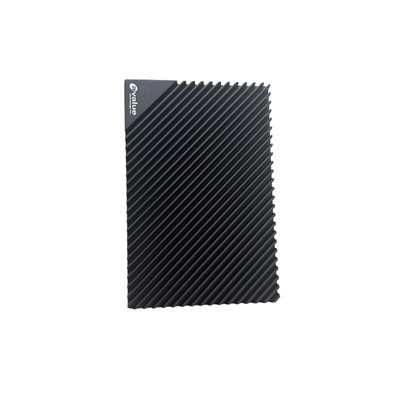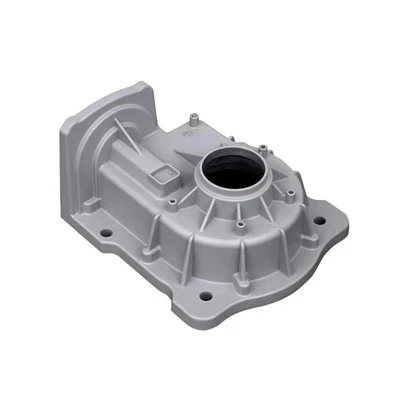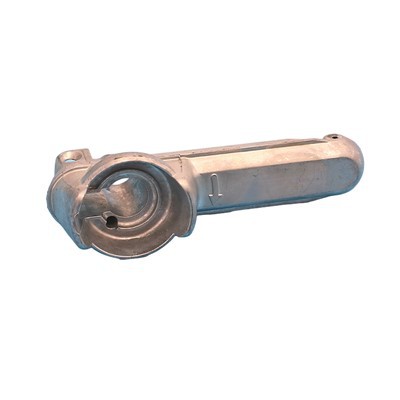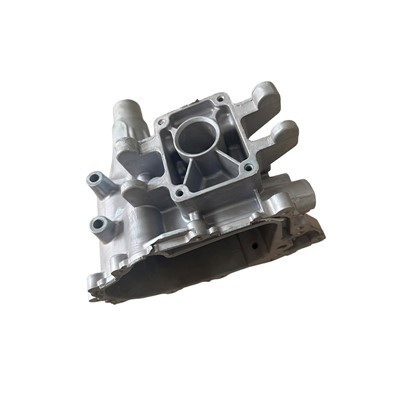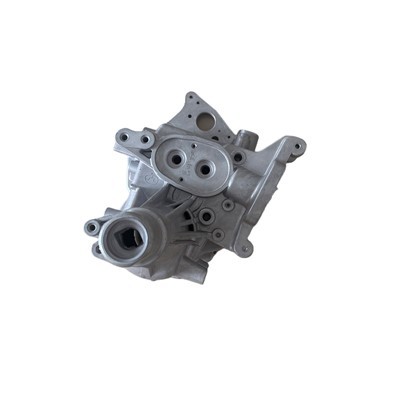

Yo, what's up everyone! I'm a supplier in the Precision Die Casting Mold game. Today, I wanna talk about how the design of the gating system can really shake things up in Precision Die Casting Mold.
First off, let's get a basic understanding of what a gating system is. In die - casting, the gating system is like the highway for molten metal. It's the set of channels and passages that guide the liquid metal from the shot sleeve into the mold cavity. And trust me, its design ain't no joke when it comes to the quality of the final cast part.
One of the key aspects affected by the gating system design is the filling pattern of the mold. If the gating system is poorly designed, the molten metal might not flow evenly into the cavity. This can lead to issues like air entrapment. You know, when air gets trapped inside the molten metal as it fills the mold. This is a huge problem because it can cause porosity in the cast part. Porosity weakens the part, makes it less reliable, and can mess up its appearance.
For example, let's say you're making a Medical Device Die Casting Mold. Medical devices need to be of the highest quality. If there's porosity in the die - cast parts due to a bad gating system design, it can compromise the performance of the device. No doctor wants to use a medical instrument that's got weak spots because of air bubbles in the metal.
The speed at which the molten metal flows through the gating system is also super important. A well - designed gating system can control this flow speed. If the flow is too fast, the metal can splash and create turbulence inside the cavity. This can cause splashing of the molten metal against the mold walls, which might damage the mold over time. On the other hand, if the flow is too slow, the metal might start to solidify before completely filling the cavity. This results in incomplete castings, where parts of the final product are missing or thin.
Take Power Tools Die Casting Mold as an example. Power tools need strong and well - formed parts to function properly. If the gating system doesn't control the flow speed right, the cast parts for power tools might be defective. This could lead to the power tool breaking down easily during use, which is a huge no - no for consumers.
Another factor that the gating system design impacts is the temperature distribution of the molten metal. As the metal flows through the gating system, it loses heat. A good design ensures that the metal reaches the mold cavity at a uniform and appropriate temperature. If there's a big temperature difference in different parts of the molten metal when it enters the cavity, it can cause uneven solidification. This can result in internal stresses in the cast part. These internal stresses can lead to warping, cracking, or even premature failure of the part.
In the case of Home Appliance Die Casting Mold, home appliances are expected to look good and last a long time. If the parts have internal stresses due to uneven temperature distribution caused by a bad gating system, the appliance might start to show signs of wear and tear much earlier than it should. This can lead to customer complaints and a bad reputation for the appliance manufacturer.
The shape and size of the gating system also play a crucial role. The cross - sectional area of the channels in the gating system affects the flow resistance. If the channels are too narrow, they can increase the flow resistance, which makes it harder for the molten metal to reach the far - reaching parts of the mold cavity. This can lead to incomplete filling. On the other hand, if the channels are too wide, the metal might flow too fast and cause the problems I mentioned earlier, like turbulence and splashing.
The location of the gates in the gating system is another critical design factor. The gates are the points where the molten metal enters the mold cavity. If the gates are placed in the wrong spots, it can cause issues like uneven filling and bad part quality. For example, if a gate is placed too close to a thin section of the mold cavity, the metal might solidify too quickly at that point, leaving other parts of the cavity unfilled.
Now, let's talk about how we can use all this knowledge to improve our Precision Die Casting Mold process. As a supplier, we need to work closely with our customers. We need to understand the specific requirements of their products. Whether it's a medical device, a power tool, or a home appliance, each product has different needs.
We use advanced simulation software to analyze different gating system designs. This software can predict how the molten metal will flow through the gating system and into the mold cavity. It can also show us the temperature distribution and potential issues like air entrapment and porosity. By using this software, we can optimize the gating system design before we even start making the mold.
We also conduct a lot of tests. We make small - scale prototypes of the mold with different gating system designs. We then run die - casting tests on these prototypes to see how the actual parts turn out. Based on the results of these tests, we make adjustments to the gating system design.
In the end, a well - designed gating system is the key to high - quality Precision Die Casting Mold. It can reduce defects, improve the mechanical properties of the cast parts, and increase the overall efficiency of the die - casting process.


If you're in the market for Precision Die Casting Mold, whether it's for medical devices, power tools, or home appliances, don't hesitate to get in touch. We've got the expertise and experience to design the perfect gating system for your specific needs. Let's have a chat and see how we can work together to create top - notch die - cast parts.
References
- "Die Casting: Design, Materials, and Processing" by John A. Schey
- "Precision Die Casting Technology" published by the American Foundry Society