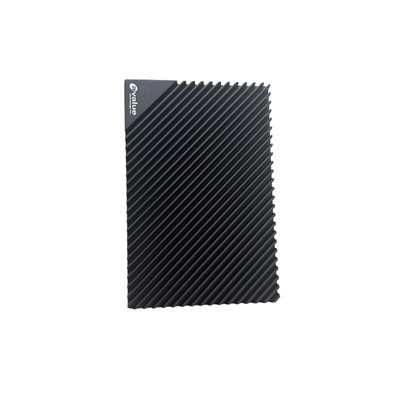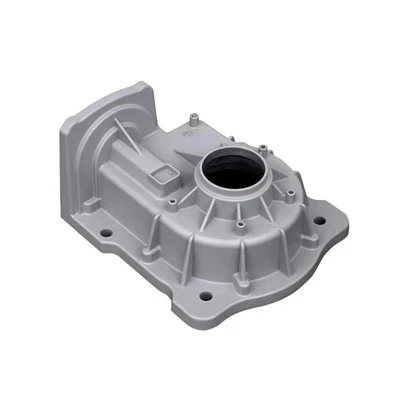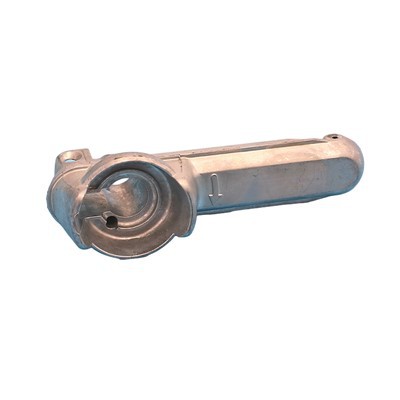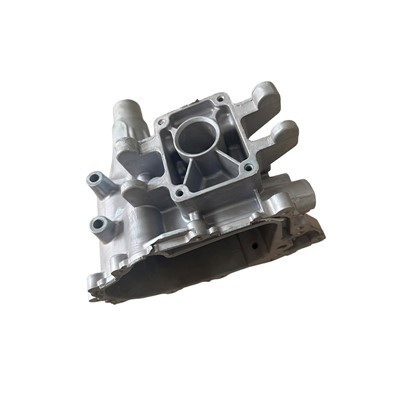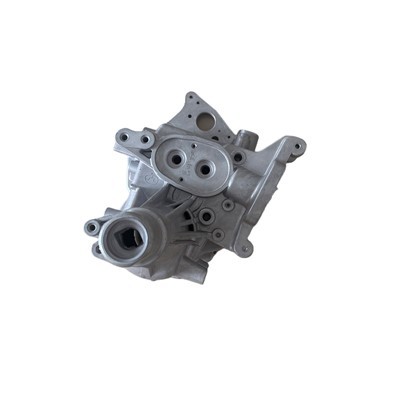

As a trusted supplier of Aluminum Gearbox Housings, I understand the critical role that corrosion protection plays in ensuring the longevity and performance of these components. Aluminum gearbox housings are widely used in various industries due to their lightweight, high strength, and excellent thermal conductivity. However, they are also susceptible to corrosion, which can lead to premature failure and costly repairs. In this blog post, I will share some effective strategies to enhance the corrosion protection of aluminum gearbox housings.
Understanding the Corrosion Mechanisms of Aluminum
Before we delve into the corrosion protection strategies, it's essential to understand the corrosion mechanisms of aluminum. Aluminum is a highly reactive metal that forms a thin oxide layer on its surface when exposed to air. This oxide layer acts as a protective barrier, preventing further oxidation and corrosion. However, this oxide layer can be damaged by various factors, such as exposure to moisture, chemicals, and mechanical stress, leading to corrosion.
There are several types of corrosion that can affect aluminum gearbox housings, including:
- Uniform corrosion: This is the most common type of corrosion, where the entire surface of the aluminum is corroded at a relatively uniform rate.
- Pitting corrosion: This occurs when small pits or holes form on the surface of the aluminum, which can lead to localized corrosion and structural damage.
- Galvanic corrosion: This occurs when two different metals are in contact with each other in the presence of an electrolyte, such as water or salt. The more reactive metal (anode) corrodes faster than the less reactive metal (cathode).
- Intergranular corrosion: This occurs when the corrosion attacks the grain boundaries of the aluminum, which can weaken the structure and lead to premature failure.
Strategies to Enhance Corrosion Protection
1. Select the Right Aluminum Alloy
The choice of aluminum alloy plays a crucial role in determining the corrosion resistance of the gearbox housing. Some aluminum alloys are more resistant to corrosion than others. For example, alloys containing magnesium and silicon, such as 6061 and 6063, are known for their good corrosion resistance. These alloys form a dense and stable oxide layer on their surface, which provides excellent protection against corrosion.
When selecting an aluminum alloy for your gearbox housing, consider the specific requirements of your application, such as the operating environment, temperature, and exposure to chemicals. You can also consult with a materials expert to determine the most suitable alloy for your needs.
2. Surface Treatment
Surface treatment is an effective way to enhance the corrosion protection of aluminum gearbox housings. There are several surface treatment methods available, including:
- Anodizing: Anodizing is a process that involves creating an oxide layer on the surface of the aluminum by immersing it in an electrolyte solution and applying an electric current. This oxide layer is thicker and more durable than the natural oxide layer, providing excellent protection against corrosion. Anodizing can also improve the appearance of the gearbox housing and increase its wear resistance.
- Powder Coating: Powder coating is a process that involves applying a dry powder to the surface of the aluminum and then heating it to melt the powder and form a protective coating. Powder coating provides a thick and durable coating that can protect the aluminum from corrosion, scratches, and UV radiation. It also comes in a variety of colors and finishes, allowing you to customize the appearance of your gearbox housing.
- Electroplating: Electroplating is a process that involves depositing a thin layer of metal, such as zinc or nickel, on the surface of the aluminum by immersing it in an electrolyte solution and applying an electric current. This metal layer provides a barrier between the aluminum and the environment, preventing corrosion. Electroplating can also improve the appearance of the gearbox housing and increase its wear resistance.
3. Design Considerations
The design of the gearbox housing can also affect its corrosion resistance. Here are some design considerations to keep in mind:
- Avoid Sharp Corners and Edges: Sharp corners and edges can create stress concentrations, which can lead to corrosion. Instead, use rounded corners and edges to reduce stress and improve the corrosion resistance of the gearbox housing.
- Provide Adequate Drainage: Moisture can accumulate in the gearbox housing, leading to corrosion. To prevent this, provide adequate drainage holes to allow water to drain out of the housing.
- Minimize Contact with Other Metals: As mentioned earlier, galvanic corrosion can occur when two different metals are in contact with each other in the presence of an electrolyte. To prevent this, minimize the contact between the aluminum gearbox housing and other metals. If contact is necessary, use a non-conductive material, such as rubber or plastic, to separate the two metals.
4. Maintenance and Inspection
Regular maintenance and inspection are essential to ensure the long-term corrosion protection of aluminum gearbox housings. Here are some maintenance and inspection tips:
- Clean the Gearbox Housing Regularly: Dirt, debris, and chemicals can accumulate on the surface of the gearbox housing, leading to corrosion. To prevent this, clean the gearbox housing regularly using a mild detergent and water.
- Inspect the Gearbox Housing for Signs of Corrosion: Regularly inspect the gearbox housing for signs of corrosion, such as rust, pitting, or discoloration. If you notice any signs of corrosion, take immediate action to prevent further damage.
- Apply a Protective Coating: If the gearbox housing is exposed to harsh environments, such as saltwater or chemicals, consider applying a protective coating to the surface of the housing. This can provide an additional layer of protection against corrosion.
Conclusion
Enhancing the corrosion protection of aluminum gearbox housings is essential to ensure their longevity and performance. By selecting the right aluminum alloy, applying surface treatment, considering design factors, and performing regular maintenance and inspection, you can significantly improve the corrosion resistance of your gearbox housings.
As a supplier of Aluminum Gearbox Housings, we offer a wide range of Aluminum Alloy Die Casting solutions to meet your specific needs. Our products are made from high-quality aluminum alloys and undergo rigorous quality control to ensure their corrosion resistance and performance. We also offer Magnesium Die Casting Mold and Security Aluminum Housing options for your reference.
If you are interested in purchasing aluminum gearbox housings or have any questions about corrosion protection, please feel free to contact us. We are committed to providing you with the best products and services to meet your needs.
References
- Jones, D. A. (1996). Principles and prevention of corrosion. Prentice Hall.
- Fontana, M. G. (1986). Corrosion engineering. McGraw-Hill.
- Uhlig, H. H., & Revie, R. W. (1985). Corrosion and corrosion control: an introduction to corrosion science and engineering. Wiley.