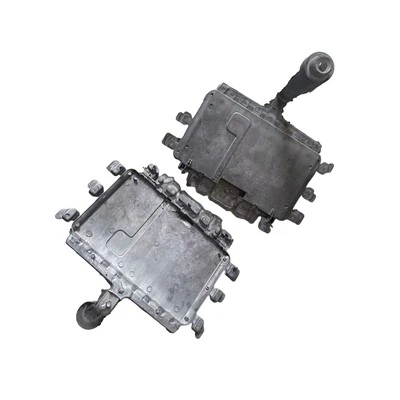

Hey there! As a supplier of Precision Die Casting Parts, I've been in the game for quite some time, and I know a thing or two about the post - processing of these parts. In this blog, I'm gonna share with you what the requirements are for post - processing precision die casting parts.
Surface Finishing
One of the key requirements for post - processing is surface finishing. Precision die casting parts often have rough surfaces right out of the mold. These rough surfaces can have flash, burrs, or uneven textures. To meet the quality standards, we need to smooth them out.
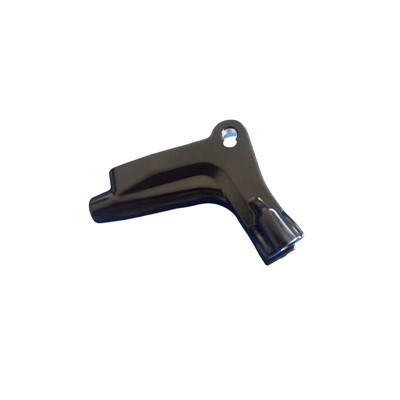
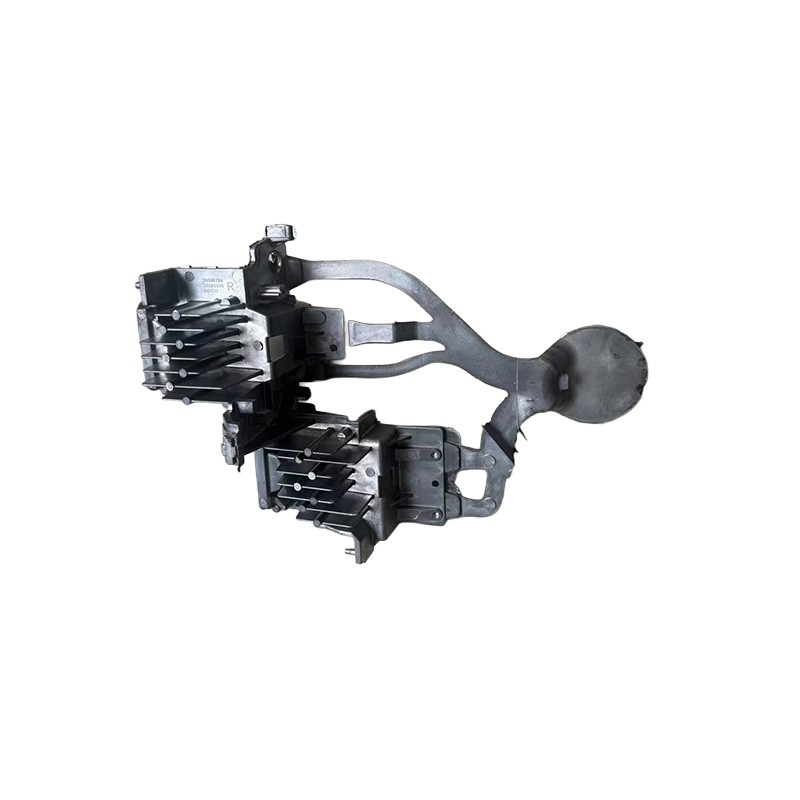
For example, sandblasting is a common method. It uses high - pressure air to propel abrasive materials onto the surface of the part. This helps to remove any surface impurities and gives the part a uniform matte finish. We can also use polishing, which involves using abrasive wheels or compounds to make the surface shiny and smooth. This is especially important for parts like Bicycle Aluminum Parts, where a good surface finish not only looks better but also improves the part's durability.
Dimensional Accuracy
Another crucial requirement is maintaining dimensional accuracy. After the casting process, the parts may have some minor dimensional variations. Post - processing steps are needed to ensure that the parts meet the exact specifications.
We use machining operations such as milling, turning, and drilling to achieve the required dimensions. For instance, if a part has a hole that needs to be a specific diameter, we can use a drill bit of the appropriate size to make the hole more precise. This is vital for parts that need to fit together with other components, like in an assembly. If the dimensions are off, the whole assembly may not work properly.
Heat Treatment
Heat treatment is also an important part of post - processing. It can improve the mechanical properties of the precision die casting parts. There are different types of heat treatment, such as annealing, quenching, and tempering.
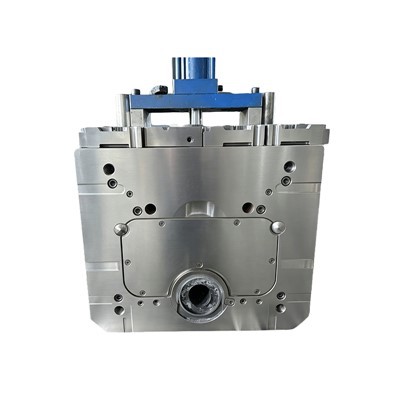
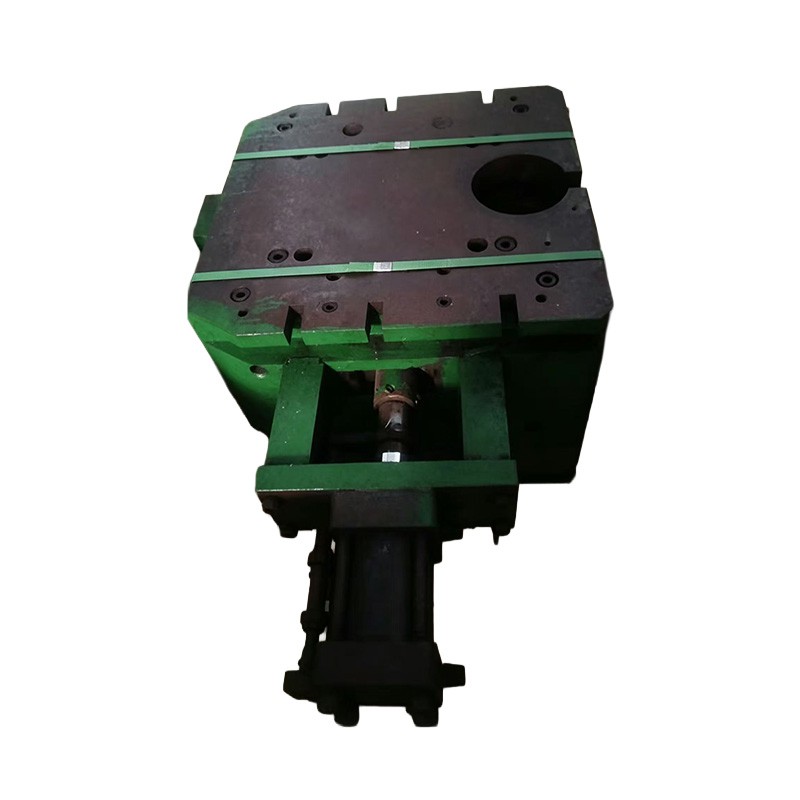
Annealing is used to relieve internal stresses in the part and make it more ductile. Quenching, on the other hand, involves rapidly cooling the part to increase its hardness. After quenching, tempering is often done to reduce the brittleness and improve the toughness of the part. For Magnesium Die Casting Mold, heat treatment can significantly enhance its performance and lifespan.
Coating and Plating
Coating and plating are used to protect the parts from corrosion and wear. There are various types of coatings and platings available. For example, zinc plating is commonly used to provide a protective layer on the surface of the part. It acts as a sacrificial anode, which means it corrodes first, protecting the underlying metal.
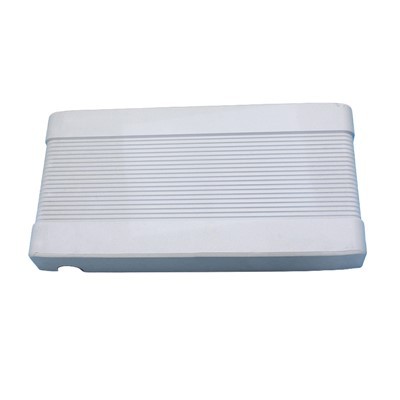
Powder coating is another option. It provides a durable and attractive finish. The powder is electrostatically applied to the part and then cured in an oven. This creates a hard, smooth, and corrosion - resistant surface. Aluminum LED Housing often benefits from powder coating to enhance its appearance and protect it from environmental factors.
Inspection and Quality Control
Inspection and quality control are essential throughout the post - processing stage. We use various inspection methods to ensure that the parts meet the required standards. This includes visual inspection, where we check for any obvious defects like cracks or surface imperfections.
We also use measuring tools such as calipers, micrometers, and coordinate measuring machines (CMMs) to check the dimensions of the parts. These tools can provide accurate measurements to ensure that the parts are within the specified tolerances. Any parts that do not meet the standards are either re - worked or rejected.
Cost - Effectiveness
While meeting all these requirements, we also need to consider cost - effectiveness. Post - processing can add to the overall cost of the parts. So, we need to find the right balance between quality and cost.
For example, we can choose the most appropriate post - processing methods based on the specific requirements of the parts. If a part doesn't require a very high - end surface finish, we can use a more cost - effective method like sandblasting instead of polishing. This way, we can keep the cost down without sacrificing too much on quality.
Conclusion
In conclusion, the post - processing of precision die casting parts involves several requirements, including surface finishing, dimensional accuracy, heat treatment, coating and plating, inspection, and cost - effectiveness. As a supplier, we need to ensure that we meet all these requirements to provide high - quality parts to our customers.
If you're in the market for precision die casting parts and want to discuss your specific needs, feel free to reach out. We're here to help you get the best parts for your projects.
References
- Die Casting Handbook, Second Edition.
- Metal Finishing Guidebook.
- Heat Treatment Principles and Techniques.