
As a supplier of Die Cast Aluminum Molds, I'm well - aware of the importance of reducing the cycle time in the production process. A shorter cycle time not only enhances productivity but also reduces costs and allows for more rapid responses to market demands. In this blog, I'll share several effective ways to achieve this goal.
1. Optimize Design and Planning
The initial design and planning phase play a crucial role in determining the cycle time of die - cast aluminum mold production. A well - designed mold can significantly streamline the manufacturing process.
- Simplify Mold Structure: Complex mold structures often lead to longer production times. By simplifying the mold design, we can reduce the number of machining operations and assembly steps. For example, minimizing the number of undercuts and complex geometries can make it easier to machine the mold cavities and cores. This approach not only shortens the machining time but also reduces the risk of errors during the manufacturing process.
- Use of Standardized Components: Incorporating standardized components in the mold design can save a great deal of time. Standardized parts are readily available in the market, eliminating the need for custom - made components that require longer lead times. For instance, using standard ejector pins, guide pillars, and bushings can speed up the assembly process and reduce the overall production cycle.
- Advanced Simulation Tools: Leveraging advanced simulation software can help in predicting potential issues in the mold design and production process. These tools can simulate the flow of molten aluminum, temperature distribution, and stress analysis. By identifying and resolving problems in the virtual environment, we can avoid costly rework and delays during the actual production. For example, simulating the filling process can help optimize the gating system, ensuring a smooth and efficient flow of aluminum into the mold cavities.
2. Improve Machining Processes
The machining of die - cast aluminum molds is a time - consuming process. Implementing advanced machining techniques can significantly reduce the cycle time.
- High - Speed Machining (HSM): HSM is a cutting - edge machining technology that uses high spindle speeds and feed rates. Compared to traditional machining methods, HSM can remove material much faster, reducing the machining time by up to 50%. This technology also improves the surface finish of the mold, eliminating the need for extensive post - machining operations. For example, when machining the mold cavities, HSM can produce a smoother surface, reducing the time required for polishing.
- Multi - Axis Machining: Multi - axis machining allows for the simultaneous machining of multiple surfaces of the mold. This reduces the number of setups and tool changes, resulting in a more efficient machining process. For instance, a 5 - axis machining center can machine complex geometries in a single setup, which would otherwise require multiple setups and longer machining times on a 3 - axis machine.
- Automated Machining Systems: Automated machining systems, such as robotic machining cells, can operate continuously without human intervention. These systems can load and unload workpieces, change tools, and perform machining operations with high precision. By reducing the idle time between machining operations, automated systems can significantly increase the productivity and reduce the cycle time.
3. Enhance Material Selection and Preparation
The choice of materials and their preparation can have a significant impact on the production cycle time.
- High - Quality Mold Materials: Selecting high - quality mold materials is essential for reducing the cycle time. High - performance materials, such as hot - work tool steels, have excellent thermal conductivity and wear resistance. These properties allow for faster cooling of the molten aluminum and longer tool life, reducing the frequency of tool replacement and maintenance. For example, using a high - quality H13 tool steel can improve the overall performance of the mold and reduce the production time.
- Proper Material Heat Treatment: Heat treatment is a critical step in preparing the mold materials. Proper heat treatment can improve the hardness, strength, and toughness of the materials, ensuring a longer service life of the mold. By optimizing the heat treatment process, we can reduce the time required for this step. For instance, using advanced heat treatment techniques, such as vacuum heat treatment, can provide more uniform and precise results, reducing the need for post - heat treatment corrections.
- Pre - machined Blanks: Using pre - machined blanks can save a significant amount of time in the machining process. Pre - machined blanks are semi - finished materials that have already undergone some machining operations. By starting with pre - machined blanks, we can reduce the amount of material that needs to be removed during the machining process, shortening the overall production cycle.
4. Strengthen Supply Chain Management
Efficient supply chain management is crucial for reducing the cycle time of die - cast aluminum mold production.
- Reliable Suppliers: Establishing partnerships with reliable suppliers is essential. Reliable suppliers can provide high - quality raw materials and components on time, reducing the risk of production delays. For example, a reliable steel supplier can ensure a steady supply of high - quality tool steel, allowing us to start the mold production process without waiting for the materials.
- Inventory Management: Maintaining an appropriate inventory of raw materials and components can help in reducing the lead time. By having a sufficient stock of commonly used materials and parts, we can quickly respond to production needs. However, it's important to strike a balance between inventory levels and storage costs. Implementing an inventory management system can help in optimizing the inventory levels and ensuring a smooth production process.
- Collaboration with Suppliers: Collaborating closely with suppliers can lead to better communication and coordination. By sharing production schedules and requirements with suppliers, we can ensure that they are aware of our needs and can plan their production accordingly. This can help in reducing the lead time for the supply of materials and components.
5. Implement Lean Manufacturing Principles
Lean manufacturing principles focus on eliminating waste and improving efficiency in the production process.
- Value Stream Mapping: Value stream mapping is a tool used to identify and eliminate non - value - added activities in the production process. By mapping out the entire production process, we can identify areas where time and resources are being wasted. For example, we may find that there are unnecessary waiting times between different production steps or that some operations are redundant. By eliminating these non - value - added activities, we can reduce the cycle time.
- Continuous Improvement: Implementing a continuous improvement program can help in constantly optimizing the production process. Encouraging employees to suggest improvements and implementing them can lead to small but significant reductions in the cycle time over time. For example, an employee may suggest a more efficient way to set up the machining equipment, which can save a few minutes per production cycle.
- 5S Methodology: The 5S methodology (Sort, Set in Order, Shine, Standardize, Sustain) can help in organizing the workplace and improving efficiency. A well - organized workplace reduces the time spent looking for tools and materials, improving the overall productivity. For example, by sorting and storing tools in a systematic way, employees can quickly find the tools they need, reducing the idle time during the production process.
6. Upgrade Quality Control Systems
An efficient quality control system can prevent rework and delays, thereby reducing the cycle time.
- In - Process Inspection: Implementing in - process inspection can help in detecting and correcting defects early in the production process. By inspecting the mold at various stages of production, we can ensure that it meets the quality requirements. For example, inspecting the machined surfaces after each machining operation can help in identifying any machining errors and correcting them immediately, preventing the need for rework later.
- Automated Inspection Systems: Automated inspection systems, such as coordinate measuring machines (CMMs) and optical inspection systems, can provide accurate and rapid inspection results. These systems can measure the dimensions and surface quality of the mold with high precision, reducing the time required for manual inspection. For example, a CMM can quickly measure the complex geometries of the mold cavities, ensuring that they meet the design specifications.
- Quality Assurance Protocols: Establishing strict quality assurance protocols can help in ensuring that the final product meets the highest quality standards. By following these protocols, we can reduce the risk of quality issues and the need for rework. For example, having a comprehensive quality control checklist for each production step can help in ensuring that all quality requirements are met.
7. Training and Development of Employees
Well - trained employees are more efficient and can contribute to reducing the cycle time.
- Technical Training: Providing technical training to employees on the latest machining techniques, mold design, and quality control methods can improve their skills and knowledge. For example, training employees on high - speed machining and multi - axis machining can enable them to operate the equipment more efficiently, reducing the machining time.
- Cross - Training: Cross - training employees can make the production process more flexible. By training employees to perform multiple tasks, we can ensure that there are no bottlenecks in the production process. For example, an employee who is trained in both machining and assembly can quickly switch between tasks, reducing the idle time.
- Safety Training: Safety training is also important as it can prevent accidents and downtime. A safe working environment allows employees to work more efficiently and reduces the risk of production delays due to accidents.
In conclusion, reducing the cycle time of die - cast aluminum mold production requires a comprehensive approach that involves optimizing design, improving machining processes, enhancing material selection, strengthening supply chain management, implementing lean manufacturing principles, upgrading quality control systems, and training employees. By implementing these strategies, we can not only reduce the production cycle time but also improve the quality of the molds and increase our competitiveness in the market.
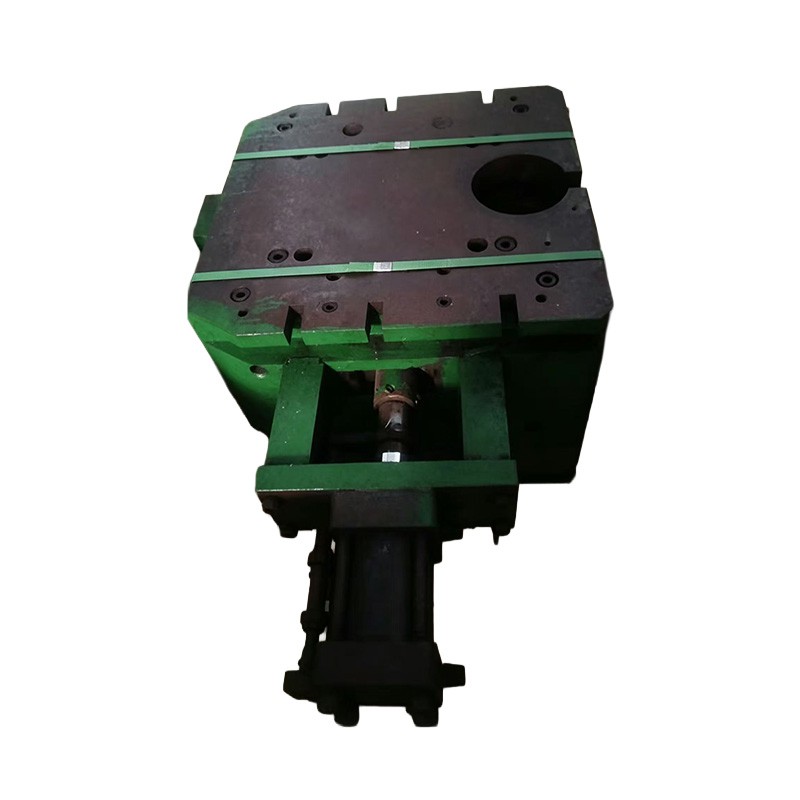

If you are interested in our Aluminium Casting Components, Magnesium Die Casting Parts, or Magnesium Die Casting Mold, please feel free to contact us for procurement and negotiation. We are committed to providing high - quality products and excellent services to meet your needs.
References
- Groover, M. P. (2010). Fundamentals of Modern Manufacturing: Materials, Processes, and Systems. Wiley.
- Die Casting Engineer's Handbook. (2015). Society of Die Casting Engineers.
- Taylor, D. W. (2018). Lean Manufacturing: Techniques to Eliminate Waste. Productivity Press.