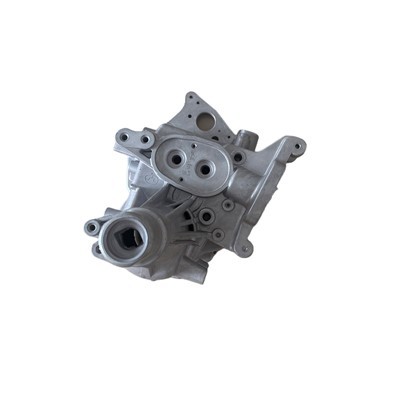

Hey there! As a supplier of Automotive Die Casting Parts, I've been in the game for quite a while, and one of the most crucial aspects we deal with is ensuring the proper shrinkage rate of these parts. It's not just a technicality; it's a make-or-break factor that can determine the quality and functionality of the final product. So, let's dive into how we can make sure that shrinkage rate is spot-on.
Understanding Shrinkage in Die Casting
First off, we need to understand what shrinkage is in the context of die casting. When molten metal is poured into a mold, it cools and solidifies. During this process, it contracts, and that contraction is what we call shrinkage. In automotive die casting, an improper shrinkage rate can lead to all sorts of problems, like dimensional inaccuracies, warping, and even structural weaknesses.
The shrinkage rate is affected by several factors. The type of metal we use is a big one. Different metals have different thermal properties, which means they shrink at different rates. For example, aluminum alloys are commonly used in automotive die casting, and they have their own characteristic shrinkage rates.
Material Selection
As a supplier, choosing the right material is the first step in ensuring the proper shrinkage rate. We have to consider the specific requirements of the automotive part we're making. If it's a high-stress component, we might opt for a stronger alloy that can handle the load. But we also have to think about how that alloy will shrink during the casting process.
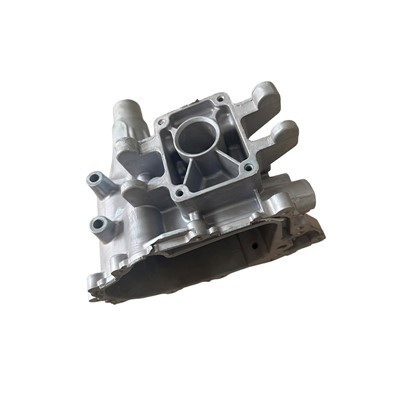
Let's say we're making a part for an engine. We need a material that can withstand high temperatures and pressures. Aluminum alloys are a popular choice because they're lightweight, have good thermal conductivity, and can be cast into complex shapes. However, we have to be aware of their shrinkage characteristics. Some alloys might shrink more than others, so we need to choose the one that will give us the best dimensional accuracy for the part.
Mold Design
The design of the mold is another critical factor in controlling shrinkage. A well-designed mold can help compensate for the shrinkage that occurs during the casting process. For example, we can use inserts or cores in the mold to create features that will account for the shrinkage.
When designing the mold, we also have to consider the gating system. The gating system is responsible for delivering the molten metal into the mold cavity. If the gating system is not designed properly, it can cause uneven filling of the mold, which can lead to inconsistent shrinkage. We need to make sure that the molten metal flows smoothly and evenly into the mold, so that the shrinkage is uniform across the part.
Process Control
Controlling the die casting process is essential for ensuring the proper shrinkage rate. We have to monitor and adjust several parameters, such as the temperature of the molten metal, the injection pressure, and the cooling rate.
The temperature of the molten metal is crucial. If it's too hot, the metal will take longer to cool and solidify, which can lead to more shrinkage. On the other hand, if it's too cold, the metal might not flow properly into the mold, which can also cause problems. We have to find the right temperature range for the specific metal we're using.
The injection pressure also plays a role in shrinkage. If the pressure is too low, the metal might not fill the mold completely, which can result in voids or incomplete parts. If the pressure is too high, it can cause the metal to splash or overflow, which can also affect the shrinkage rate.
The cooling rate is another important factor. We need to control how quickly the metal cools to ensure that the shrinkage is uniform. If the cooling rate is too fast, the outer layer of the part might solidify before the inner layer, which can cause internal stresses and warping. If the cooling rate is too slow, the part might shrink more than expected.
Quality Control
Once the parts are cast, we have to perform quality control checks to make sure that the shrinkage rate is within the acceptable range. We use various measurement tools, such as calipers, micrometers, and coordinate measuring machines (CMMs), to measure the dimensions of the parts.
If we find that the shrinkage rate is not within the acceptable range, we have to take corrective action. This might involve adjusting the process parameters, such as the temperature or the injection pressure, or modifying the mold design.

Real-World Examples
Let's take a look at some real-world examples of how we ensure the proper shrinkage rate in our automotive die casting parts.
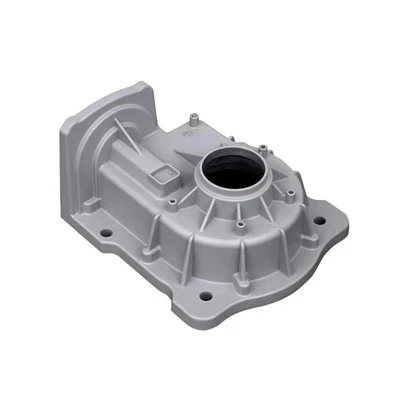
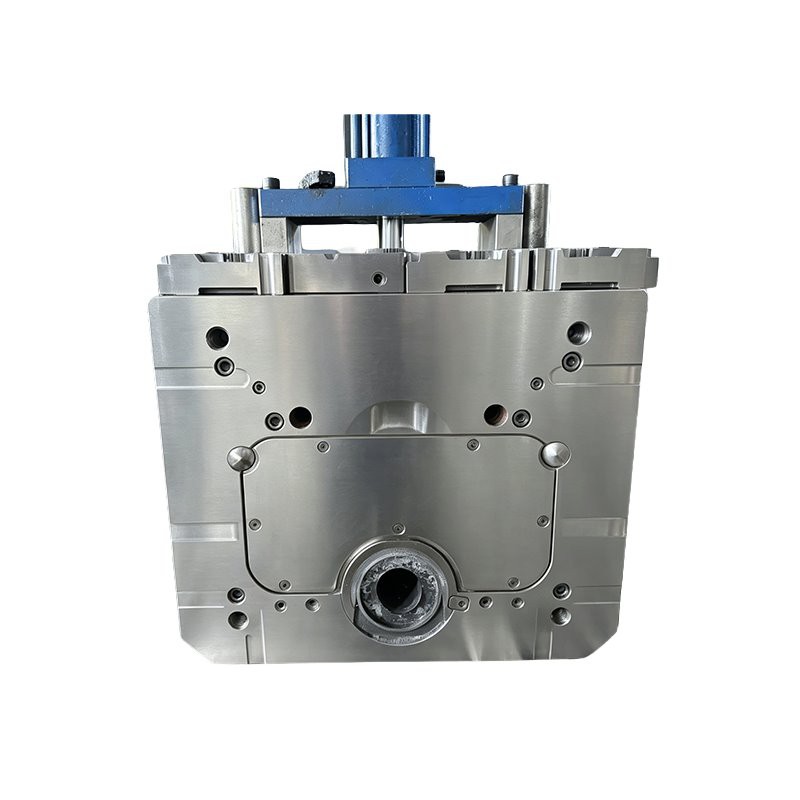
We recently worked on a project to make Die Cast Aluminum Mold for a new car model. The part had some complex features, and we knew that the shrinkage rate would be critical for its functionality. We carefully selected an aluminum alloy that had the right combination of strength and shrinkage characteristics. We also designed the mold with inserts and cores to account for the shrinkage.
During the casting process, we closely monitored the temperature, injection pressure, and cooling rate. We made some adjustments to the process parameters based on the initial test results, and we were able to achieve the desired shrinkage rate. After the parts were cast, we performed quality control checks using CMMs, and we found that the dimensions were within the acceptable tolerance range.
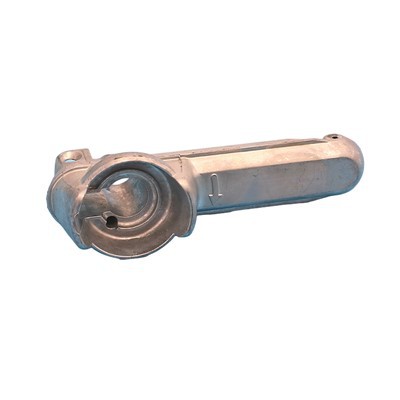
Another example is when we made Aluminum Robot Parts for a robotics company. The parts had to be very precise, and any deviation in the shrinkage rate could affect the performance of the robots. We used a different aluminum alloy for these parts, and we designed the mold to ensure that the shrinkage was uniform. We also implemented a strict quality control process to make sure that the parts met the specifications.
Conclusion
Ensuring the proper shrinkage rate of automotive die casting parts is a complex process that requires careful consideration of several factors, including material selection, mold design, process control, and quality control. As a supplier, we have to be constantly vigilant and make adjustments as needed to ensure that our parts meet the highest standards of quality.
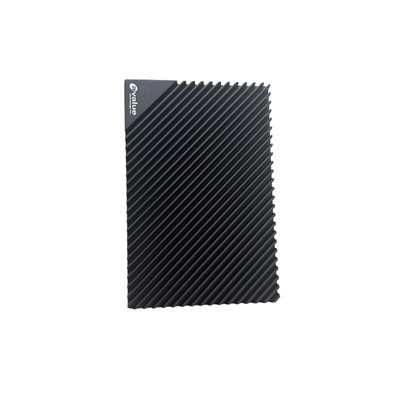
If you're in the market for high-quality automotive die casting parts, we'd love to hear from you. Whether you need Die Cast Aluminum Mold, Aluminum Robot Parts, or Drone Aluminum Parts, we have the expertise and experience to deliver the parts you need. Contact us today to start a conversation about your project.
References
- "Die Casting Handbook" by J. Campbell
- "Metal Casting: Processes and Design" by R. A. Flinn and P. K. Trojan