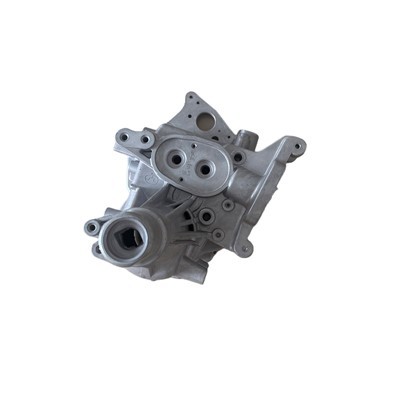

Hey there! As a supplier of Magnesium Die Casting Molds, I've seen firsthand how important it is to maintain these molds properly. A well - maintained mold not only ensures high - quality castings but also extends the mold's lifespan, saving you time and money in the long run. So, let's dive into how you can maintain a magnesium die casting mold.
Regular Cleaning
The first step in mold maintenance is regular cleaning. Magnesium die casting involves high - temperature molten metal, which can leave behind residues on the mold surface. These residues can build up over time and affect the quality of the castings.
To clean the mold, start by removing any loose debris. You can use a soft brush or compressed air to blow away the larger particles. Then, use a suitable cleaning solution. Make sure the cleaning solution is compatible with magnesium and the mold material. Avoid using abrasive cleaners that can scratch the mold surface.
After applying the cleaning solution, use a clean cloth to wipe the mold. Pay special attention to the cavities and cores, as these areas are more likely to accumulate residues. You can also use ultrasonic cleaning for a more thorough clean. Ultrasonic waves create tiny bubbles in the cleaning solution, which implode and remove stubborn contaminants.
Inspection
Regular inspection is crucial for detecting any potential issues early. Inspect the mold before and after each use. Check for signs of wear, such as cracks, erosion, or deformation. Cracks can lead to leakage of molten metal, which not only affects the casting quality but can also be dangerous.
Look at the parting line of the mold. If there are any burrs or rough edges, it can cause problems with the mold's closing and the quality of the castings. You can use a micrometer to measure the dimensions of the mold cavities and cores. Any significant deviation from the original specifications may indicate wear or damage.
Inspect the cooling channels as well. Blocked cooling channels can lead to uneven cooling of the mold, which can cause warping and affect the casting quality. You can use a borescope to check the inside of the cooling channels for blockages.


Lubrication
Proper lubrication is essential for the smooth operation of the magnesium die casting mold. Lubricants reduce friction between the mold and the casting, making it easier to eject the part. They also help to prevent sticking, which can damage the mold surface.
Choose a lubricant that is specifically designed for magnesium die casting. Apply the lubricant evenly on the mold surface, especially in the cavities and cores. Be careful not to over - lubricate, as excess lubricant can cause problems such as porosity in the castings.
Heat Treatment
Heat treatment plays a vital role in maintaining the hardness and strength of the magnesium die casting mold. During the die casting process, the mold is exposed to high temperatures, which can cause changes in its microstructure.
Periodically, the mold should undergo heat treatment to restore its mechanical properties. This usually involves heating the mold to a specific temperature and then cooling it at a controlled rate. Heat treatment can help to relieve internal stresses, improve hardness, and increase the mold's resistance to wear and thermal fatigue.
Storage
When the mold is not in use, proper storage is important. Store the mold in a dry and clean environment. Moisture can cause rust and corrosion, which can damage the mold. You can apply a protective coating to the mold surface before storage to prevent corrosion.
Keep the mold in a secure location to prevent physical damage. If possible, store the mold in a rack or on a pallet to keep it off the ground. This helps to prevent dirt and debris from accumulating on the mold.
Training and Operator Awareness
The people operating the die casting machine also play a significant role in mold maintenance. Provide proper training to the operators on how to handle the mold correctly. They should know how to clean, inspect, and lubricate the mold.
Operators should be aware of the signs of potential mold problems. For example, if they notice any unusual noises or vibrations during the casting process, it could indicate a problem with the mold. Encourage them to report any issues immediately so that they can be addressed promptly.
Collaboration with Experts
If you're facing complex mold maintenance issues, don't hesitate to collaborate with experts. As a Magnesium Die Casting Mold supplier, we have a team of experienced technicians who can provide advice and assistance. We can help you with heat treatment, repair of damaged molds, and optimization of the mold's performance.
Related Products and Services
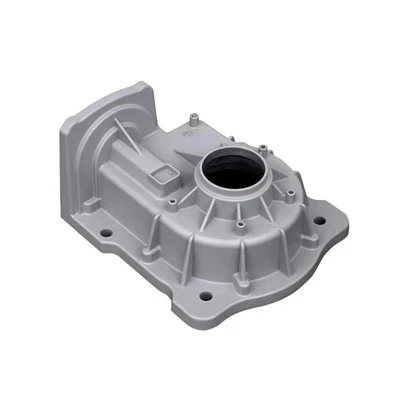
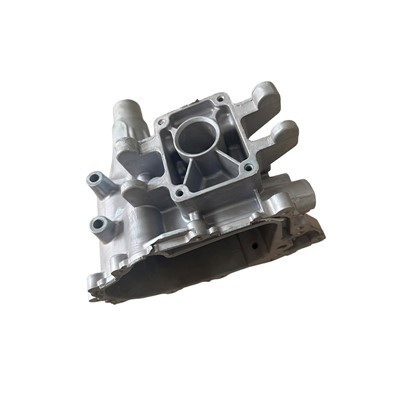
We also offer a range of related products and services. For example, if you're interested in Die Casting Machining, we can provide high - quality machining services to ensure that your castings meet the required specifications.
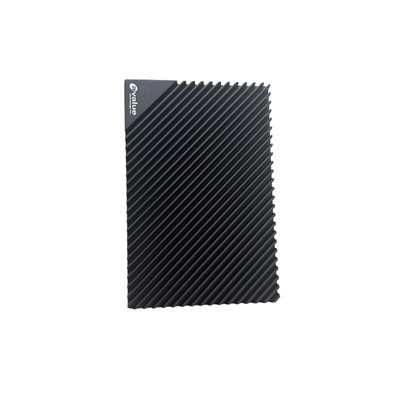
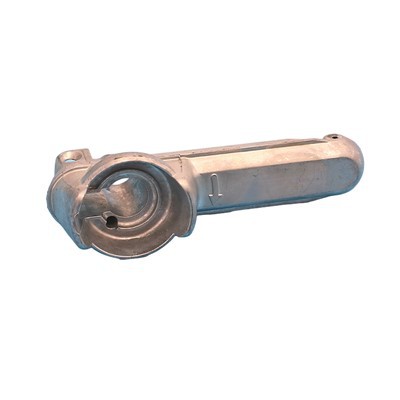
If you're in the drone industry, our Drone Aluminum Parts are designed to be lightweight and durable. And for those in need of radiator housing, our Aluminum Radiator Housing offers excellent heat dissipation properties.
Conclusion
Maintaining a magnesium die casting mold is a multi - faceted process that requires regular cleaning, inspection, lubrication, heat treatment, proper storage, and operator training. By following these steps, you can ensure that your mold performs at its best and lasts for a long time.
If you're interested in our Magnesium Die Casting Molds or any of our related products and services, don't hesitate to reach out. We're here to help you with all your die casting needs.
References
- "Die Casting Handbook" by J. Campbell
- "Magnesium Alloys and Their Applications" by B. L. Mordike and T. Ebert
- Industry - specific technical papers on magnesium die casting mold maintenance