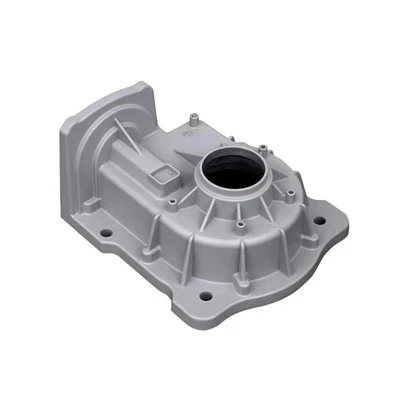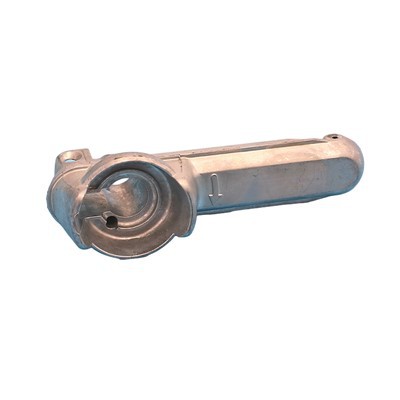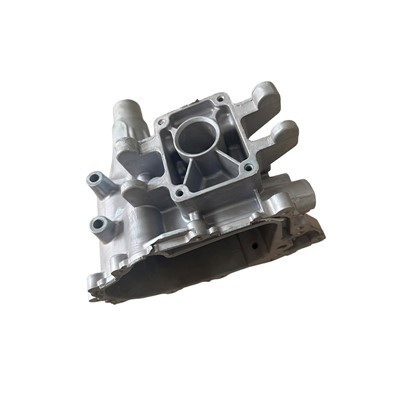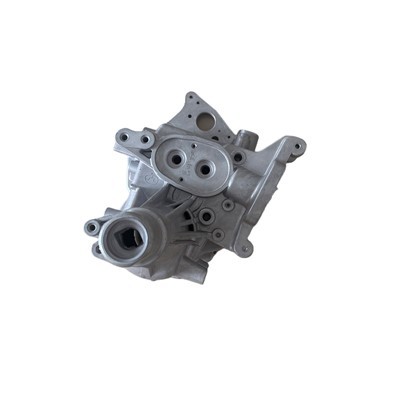

As a supplier of Machinery Casting Parts, I've spent a significant amount of time exploring the environmental impacts of machinery casting processes. Casting is a fundamental manufacturing method used to create a wide range of parts, from small components in electronics to large structural elements in machinery. However, like any industrial process, it has both direct and indirect effects on the environment.
Energy Consumption
One of the most prominent environmental impacts of machinery casting is the high energy consumption. Casting processes typically involve melting metals, which requires a substantial amount of heat energy. For example, in the case of aluminum casting, the metal needs to be heated to around 660°C (1220°F) to reach its melting point. This energy is usually derived from fossil fuels such as coal, oil, or natural gas, which release greenhouse gases (GHGs) into the atmosphere when burned.
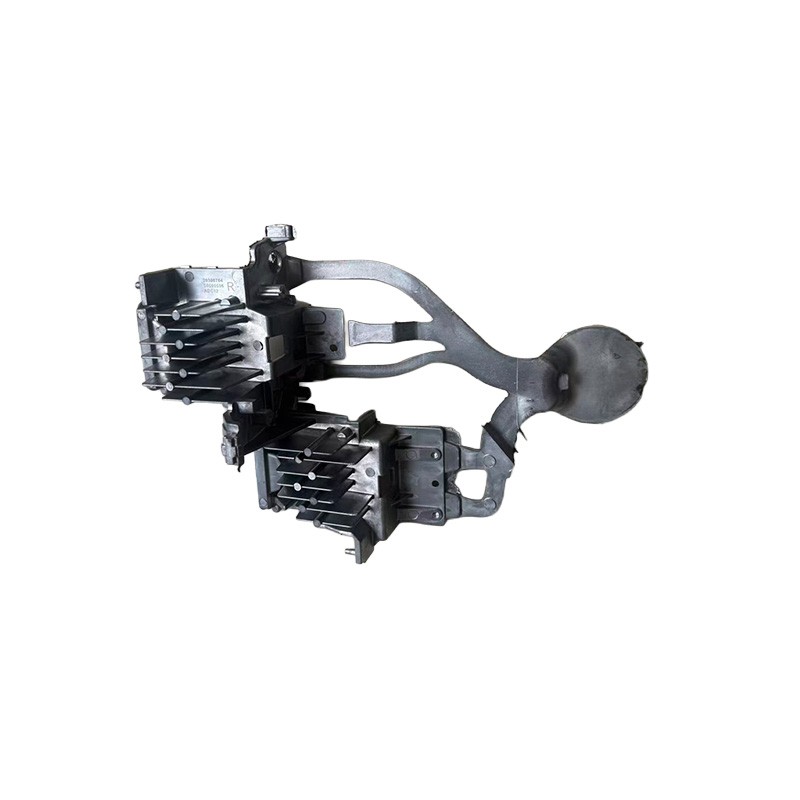

The energy-intensive nature of casting not only contributes to global warming but also places a strain on finite energy resources. As a supplier, we are constantly looking for ways to reduce energy consumption in our casting operations. This includes investing in more energy - efficient furnaces and optimizing the melting process to minimize heat loss. By reducing energy consumption, we can lower our carbon footprint and make our operations more sustainable.
Air Pollution
The casting process can also lead to significant air pollution. When metals are melted and poured, they release various pollutants into the air. For instance, in the casting of iron and steel, sulfur dioxide (SO₂), nitrogen oxides (NOₓ), and particulate matter (PM) are emitted. These pollutants can have detrimental effects on human health, causing respiratory problems, heart diseases, and even cancer.
In addition, the use of certain additives and fluxes in the casting process can also release harmful chemicals into the air. For example, some fluxes contain fluoride compounds, which can be toxic if inhaled. As a responsible supplier, we take measures to control air pollution in our facilities. This includes installing air pollution control devices such as scrubbers and filters to remove pollutants from the exhaust gases before they are released into the atmosphere.
Water Pollution
Water is an essential resource in the casting process, used for cooling and cleaning purposes. However, the water used in casting operations can become contaminated with heavy metals, oils, and other pollutants. For example, when metal parts are washed after casting, the water can pick up traces of metals such as lead, cadmium, and chromium. These heavy metals are toxic and can have long - term effects on the environment and human health if they are released into water bodies.
To prevent water pollution, we implement strict water management practices in our facilities. This includes treating the wastewater before it is discharged. We use various treatment methods such as sedimentation, filtration, and chemical precipitation to remove pollutants from the water. By recycling and reusing water, we can also reduce our water consumption and minimize the impact on water resources.
Solid Waste Generation
The machinery casting process generates a significant amount of solid waste. This includes slag, which is a by - product of the melting process, and scrap metal. Slag contains various impurities and can be difficult to dispose of safely. If not properly managed, slag can leach heavy metals into the soil and groundwater, causing environmental contamination.
Scrap metal, on the other hand, can be recycled. However, a large amount of scrap metal still ends up in landfills. As a supplier, we have implemented a scrap metal recycling program to reduce the amount of waste sent to landfills. We collect and process scrap metal from our casting operations and sell it to recycling facilities. This not only reduces the environmental impact but also provides an economic benefit.
Noise Pollution
Casting operations can also generate high levels of noise. The use of machinery such as furnaces, crushers, and conveyors produces loud noises that can be a nuisance to workers and nearby communities. Prolonged exposure to high - level noise can cause hearing loss and other health problems.
To address noise pollution, we install noise - reducing equipment in our facilities. This includes sound - proof enclosures for machinery and the use of mufflers on exhaust systems. We also provide our workers with personal protective equipment such as earplugs and earmuffs to protect them from the harmful effects of noise.
Sustainable Solutions
Despite the environmental challenges associated with machinery casting, there are several sustainable solutions that can be implemented. For example, the use of renewable energy sources such as solar and wind power can significantly reduce the carbon footprint of casting operations. By installing solar panels on our facilities, we can generate a portion of the energy needed for the casting process from clean sources.
Another sustainable solution is the development of new casting technologies that are more energy - efficient and produce less waste. For example, some advanced casting processes use less metal and generate less scrap. These technologies not only reduce the environmental impact but also improve the efficiency and quality of the casting process.
Product - Specific Considerations
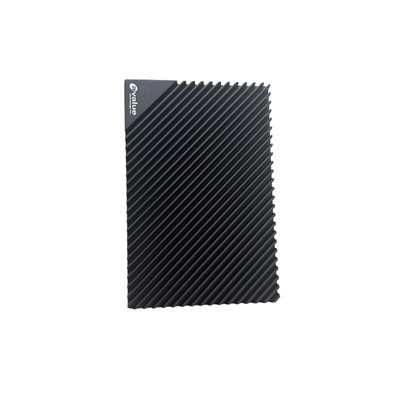
Let's take a look at some of the products we supply and their specific environmental impacts. Our Aluminum LED Housing is a popular product in the lighting industry. Aluminum casting for these housings has a relatively lower environmental impact compared to some other metals. Aluminum is lightweight, which reduces the energy required for transportation. It is also highly recyclable, and a large percentage of aluminum used in casting can be recycled from scrap.
Our Bicycle Aluminum Parts are another important product line. The use of aluminum in bicycle parts not only makes the bicycles lighter and more efficient but also has a positive environmental impact. As with the LED housings, the recyclability of aluminum is a major advantage. Additionally, the energy savings from using lighter bicycles can contribute to a reduction in overall carbon emissions.
Conclusion
In conclusion, the machinery casting process has several environmental impacts, including high energy consumption, air and water pollution, solid waste generation, and noise pollution. However, as a supplier of Machinery Casting Parts, we are committed to minimizing these impacts through the implementation of sustainable practices.
We believe that by working together with our customers and partners, we can make the casting industry more environmentally friendly. If you are interested in purchasing our high - quality casting parts, we invite you to contact us for a procurement discussion. We are ready to provide you with the best products and solutions while ensuring that our operations are as sustainable as possible.
References
- ASM Handbook, Volume 15: Casting. ASM International.
- Environmental Protection Agency (EPA). Industrial Pollution Prevention and Control: Casting Processes.
- Metals Handbook: Properties and Selection: Nonferrous Alloys and Pure Metals. American Society for Metals.