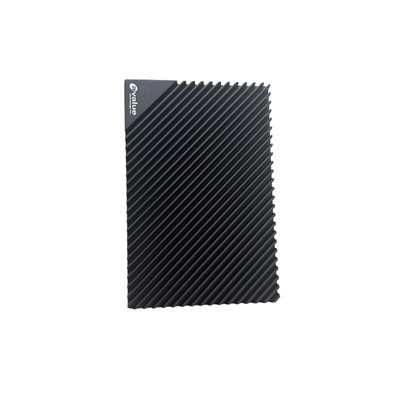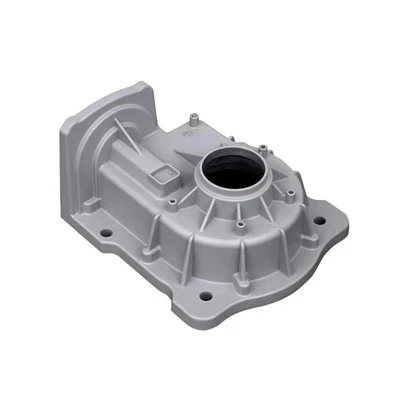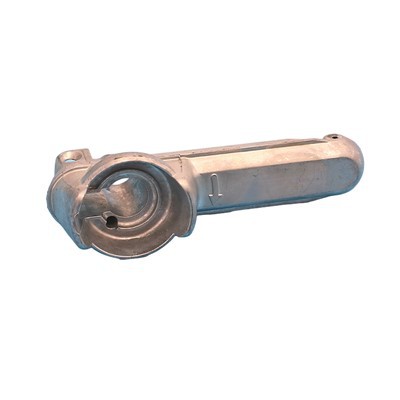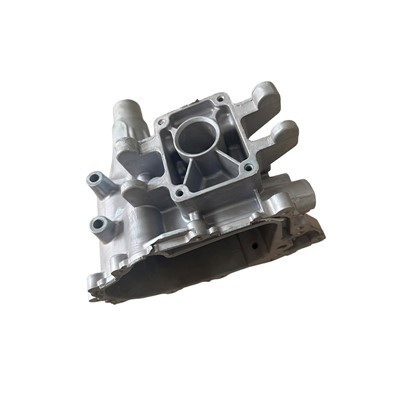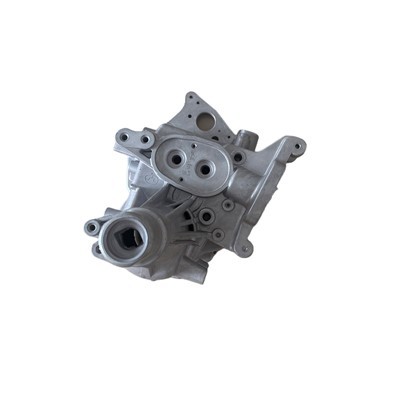

Precision die casting mold technology has witnessed remarkable advancements in recent years, enabling the production of increasingly complex shapes. As a supplier of Precision Die Casting Mold, I am often asked whether precision die casting molds can truly produce complex shapes. In this blog post, I will delve into this question, exploring the capabilities of precision die casting molds, the factors that influence their ability to create complex shapes, and some real - world examples.
The Capabilities of Precision Die Casting Molds
Precision die casting molds are designed to create high - quality parts with tight tolerances and excellent surface finishes. One of the key advantages of precision die casting is its ability to replicate intricate details. Through a combination of advanced machining techniques, high - quality materials, and precise mold design, precision die casting molds can capture even the most delicate features of a complex shape.
The process of precision die casting involves injecting molten metal under high pressure into a mold cavity. This high - pressure injection ensures that the molten metal fills every corner of the mold, accurately reproducing the shape and details of the mold cavity. Whether it is a part with thin walls, undercuts, or complex geometries, precision die casting molds can often produce the desired results.
For example, in the production of Hardware Die Casting Mold, which are used in various hardware products, precision die casting can create parts with complex internal structures and fine external details. These molds can produce components such as locks, hinges, and other hardware parts that require high precision and complex shapes.
Factors Influencing the Production of Complex Shapes
While precision die casting molds have the potential to produce complex shapes, several factors can influence their success.
Mold Design
The design of the mold is crucial. A well - designed mold takes into account the flow of the molten metal, the ejection of the part, and the ability to maintain dimensional accuracy. For complex shapes, the mold may need to have multiple slides, cores, and lifters to create undercuts and other intricate features. These additional components must be carefully designed and integrated into the mold to ensure proper function.
Material Selection
The choice of mold material is also important. The mold material must be able to withstand the high temperatures and pressures of the die - casting process. For complex shapes, a material with good thermal conductivity and high strength is often required. Additionally, the material should be able to be machined accurately to create the detailed mold cavity.
Process Parameters
The die - casting process parameters, such as injection pressure, temperature, and speed, need to be carefully controlled. Incorrect process parameters can lead to defects such as porosity, incomplete filling, or warping. For complex shapes, these parameters may need to be adjusted more precisely to ensure that the molten metal fills the mold cavity evenly and that the part solidifies correctly.
Real - World Examples of Complex Shapes Produced by Precision Die Casting Molds
Automotive Industry
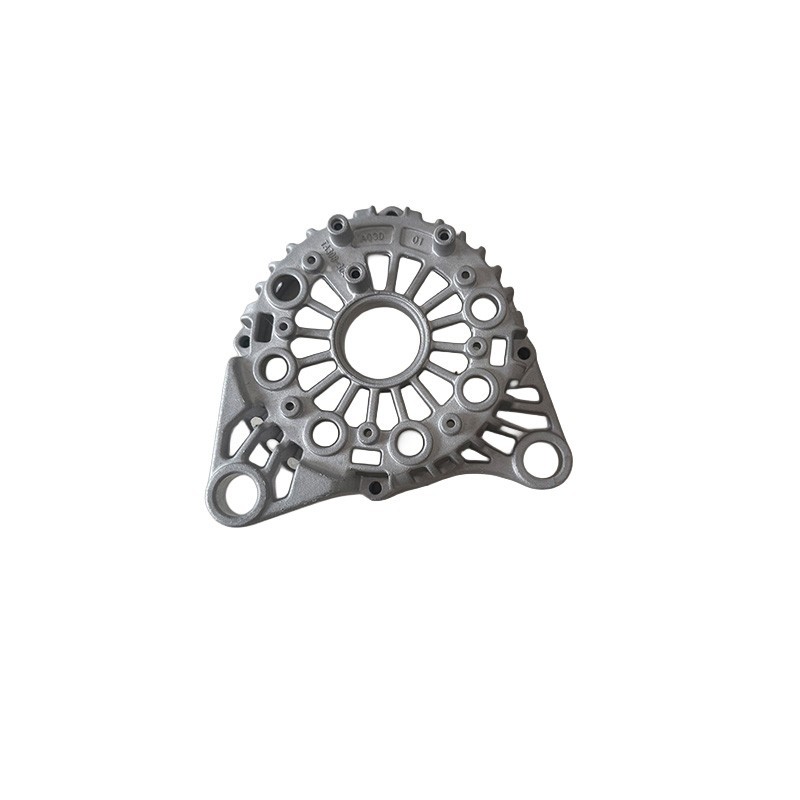
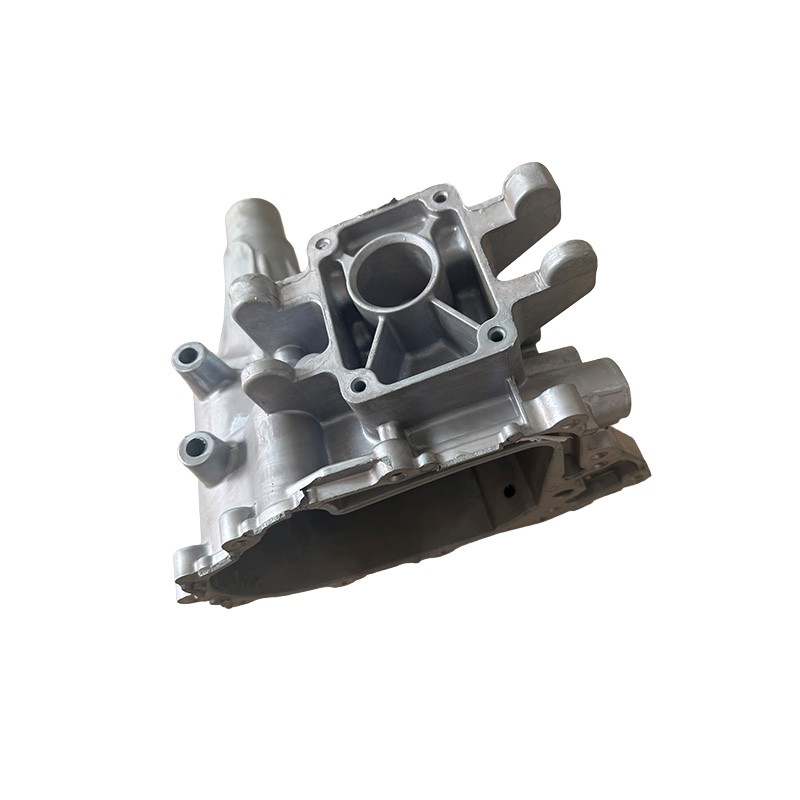
In the automotive industry, precision die casting molds are used to produce a wide range of complex parts. For example, engine components such as cylinder heads and intake manifolds often have complex internal passages and external shapes. Precision die casting allows these parts to be produced with high precision and excellent mechanical properties. The use of precision die casting in the automotive industry not only improves the performance of the vehicles but also reduces production costs.
Medical Device Industry
The Medical Device Die Casting Mold sector also benefits greatly from precision die casting. Medical devices often require parts with complex shapes and high precision to ensure proper function and safety. For instance, surgical instruments, implantable devices, and diagnostic equipment may have components that are produced using precision die casting. These parts can have features such as micro - channels, thin walls, and complex geometries that are essential for their performance.
Challenges in Producing Complex Shapes
Despite the capabilities of precision die casting molds, there are still some challenges in producing complex shapes.
Defects
As mentioned earlier, defects such as porosity, incomplete filling, and warping can occur. These defects can be more prevalent in complex shapes due to the difficulty of ensuring uniform metal flow and solidification. To address these issues, advanced simulation software can be used to predict and optimize the die - casting process.
Cost
Producing complex shapes with precision die casting molds can be more expensive. The design and manufacturing of the mold may require more time and resources, especially when dealing with multiple slides, cores, and lifters. Additionally, the process parameters may need to be adjusted more carefully, which can increase production costs.
Conclusion
In conclusion, precision die casting molds can indeed produce complex shapes. Through advanced mold design, appropriate material selection, and precise process control, it is possible to create high - quality parts with intricate details. However, it is important to be aware of the challenges involved, such as defects and cost.
As a supplier of precision die casting molds, we have the expertise and experience to handle the production of complex shapes. Our team of engineers and technicians can work closely with you to design and manufacture the molds that meet your specific requirements. Whether you are in the automotive, medical, or hardware industries, we are committed to providing you with the best solutions.
If you are interested in purchasing precision die casting molds for your complex - shaped parts, we invite you to contact us for a detailed discussion. We look forward to working with you to bring your ideas to life.
References
- "Die Casting Handbook" by J. Campbell
- "Precision Manufacturing Technology" by X. Zhang
- Industry reports on die - casting technology and applications