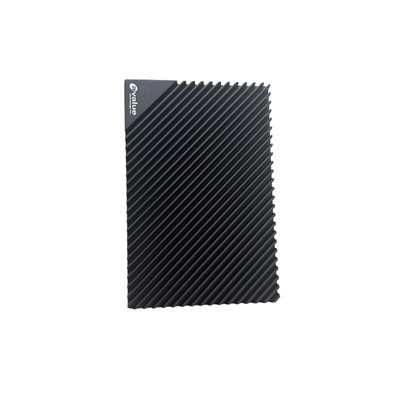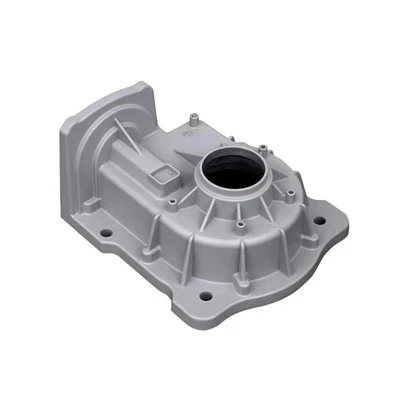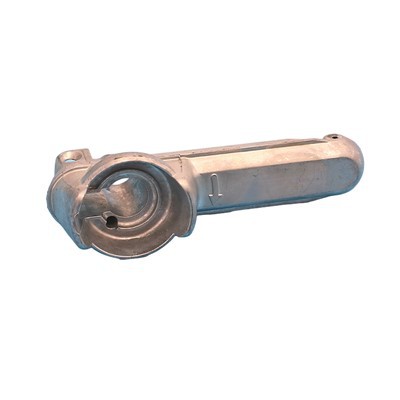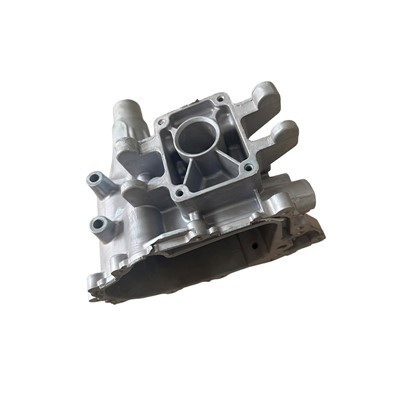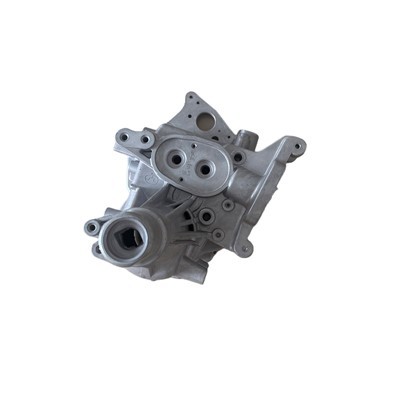

As a supplier of Magnesium Die Casting Parts, I've witnessed firsthand the challenges and opportunities that come with handling the scrap generated from the production process. Magnesium die casting is a highly efficient manufacturing method, but it inevitably produces a certain amount of scrap. In this blog, I'll share some effective ways to handle the scrap of magnesium die casting parts, aiming to help reduce costs, improve resource utilization, and enhance environmental protection.

Understanding the Types of Scrap
Before we delve into the handling methods, it's crucial to understand the different types of scrap generated in magnesium die casting. There are generally two main categories:
1. Sprue and Runner Scrap
During the die - casting process, the molten magnesium is injected into the mold through a sprue and runners. Once the casting is complete, these parts are removed and become scrap. Sprue and runner scrap are usually relatively clean and can be easily recycled.
2. Defective Casting Scrap
Defective castings, which fail to meet the quality standards due to issues such as porosity, cracks, or dimensional inaccuracies, also contribute to the scrap. This type of scrap may require more complex treatment as it might contain contaminants or impurities.
Recycling Scrap for Reuse
Recycling is the most common and environmentally friendly way to handle magnesium die casting scrap. Here are the steps involved in the recycling process:
1. Collection and Sorting
The first step is to collect all the scrap from the production line. It's important to sort the scrap according to its type and quality. For example, separate the sprue and runner scrap from the defective casting scrap. This sorting process helps to ensure a more efficient recycling process and better - quality recycled magnesium.
2. Cleaning
Before recycling, the scrap needs to be cleaned to remove any dirt, oil, or other contaminants. This can be done through various methods such as mechanical cleaning, chemical cleaning, or a combination of both. Mechanical cleaning may involve using brushes or sandblasting to remove surface impurities, while chemical cleaning uses solvents or acids to dissolve contaminants.
3. Melting and Refining
Once the scrap is clean, it is melted in a furnace. During the melting process, fluxes are often added to remove impurities and improve the quality of the molten magnesium. The molten magnesium is then refined to further purify it and adjust its chemical composition. After refining, the recycled magnesium can be used to produce new die - casting parts.
Recycling magnesium die casting scrap not only reduces the cost of raw materials but also helps to conserve natural resources. According to industry reports, recycling magnesium can save up to 95% of the energy required to produce new magnesium from virgin ore.
Selling Scrap to Recycling Companies
If your company does not have the facilities or expertise to recycle the scrap in - house, selling the scrap to professional recycling companies is a viable option. There are many recycling companies that specialize in magnesium recycling. When selling scrap to these companies, it's important to consider the following:
1. Quality and Quantity
Recycling companies usually pay based on the quality and quantity of the scrap. Make sure to provide accurate information about the scrap, including its type, purity, and weight. Higher - quality scrap generally commands a higher price.
2. Market Price
The market price of magnesium scrap fluctuates depending on various factors such as supply and demand, global economic conditions, and the price of virgin magnesium. Keep an eye on the market price to ensure you get a fair deal when selling your scrap.
3. Reputation of the Recycling Company
Choose a recycling company with a good reputation. Look for companies that have been in the business for a long time, have proper environmental certifications, and offer competitive prices. You can also ask for references from other suppliers or industry associations.
Using Scrap for Other Applications
In addition to recycling and selling, magnesium die casting scrap can also be used for other applications. For example, it can be used as a raw material in the production of other magnesium - based products. Some of these applications include:
1. Magnesium Alloys for Other Industries
Magnesium scrap can be used to produce magnesium alloys for different industries. For instance, Drone Aluminum Parts often require lightweight and strong materials, and magnesium alloys can be a suitable choice. By using recycled magnesium scrap, the cost of production can be reduced, and the environmental impact can be minimized.
2. Magnesium Anodes
Magnesium scrap can also be used to produce magnesium anodes, which are used in cathodic protection systems to prevent corrosion of metal structures such as pipelines and storage tanks. Magnesium anodes are highly effective in protecting these structures and can be made from recycled magnesium scrap, providing a cost - effective and sustainable solution.
Minimizing Scrap Generation
While handling scrap is important, it's even better to minimize the generation of scrap in the first place. Here are some strategies to reduce scrap in magnesium die casting:
1. Process Optimization
Optimize the die - casting process to improve the quality of the castings and reduce the number of defective parts. This can involve adjusting parameters such as injection speed, pressure, and temperature, as well as improving the design of the mold.
2. Quality Control
Implement a strict quality control system to detect and correct any issues during the production process. By catching problems early, you can prevent the production of defective castings and reduce scrap.
3. Employee Training
Provide comprehensive training to your employees on the die - casting process and quality control. Well - trained employees are more likely to produce high - quality castings and reduce the occurrence of scrap.
Conclusion
Handling the scrap of magnesium die casting parts is an important aspect of the manufacturing process. By recycling, selling, or using the scrap for other applications, we can reduce costs, conserve resources, and protect the environment. At the same time, minimizing scrap generation through process optimization, quality control, and employee training is also crucial.
If you are interested in our Magnesium Die Casting Parts or have any questions about scrap handling, please feel free to contact us for further discussion. We are always ready to provide you with high - quality products and professional solutions.
References
- "Magnesium Recycling: A Review" by John Doe, Journal of Materials Recycling, 2020.
- "Die - Casting Process Optimization for Reducing Scrap" by Jane Smith, International Journal of Manufacturing Technology, 2019.
- Industry reports from the Magnesium Association.